Article content
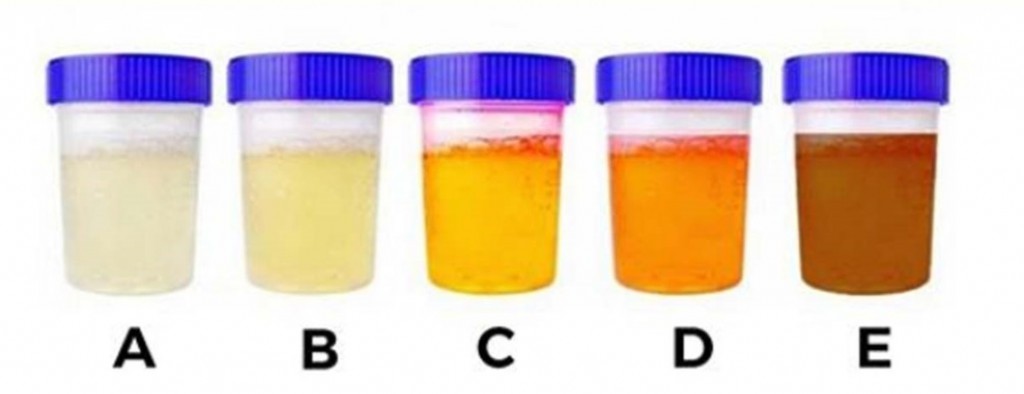
Urine color signals several specific aspects of your health condition. Apart from the current level of water in the body, which is necessary for its proper functioning, urine color can also be an identifier of a developing disease. Urine removes from the body unnecessary or harmful substances that are excreted from the blood by the metabolism and immune system through the kidneys. Careful monitoring of urine color can help you detect unpleasant changes in your body that you should not neglect.
How various ailments manifest in urine
Urine can have different colors – from almost clear and pale yellow to very dark and cloudy. Each of the color manifestations of urine is associated with a certain type of substance that is excreted from the body as waste. So what should you pay attention to?
Clear and very lightly colored urine
If urine is colorless, it means you are taking in more fluids than your body needs – therefore mainly water is being excreted without any other substances. Although maintaining fluid intake is important, nothing should be overdone and if you produce transparent urine, you should rather limit drinking, because you thereby wash needed nutrients out of your body and at the same time overload the kidneys. On the other hand, if fluid intake is normal and urine remains clear and colorless, it may indicate poor kidney function.
Pale yellow urine
Healthy urine has a pale yellow color – this means the kidneys are working properly and the blood-cleansing process is taking place without problems. At the same time, more harmful substances are probably not being excreted. If your urine is pale yellow, your health is very likely good and you are following a proper drinking regimen.
Dark to honey-yellow, brown urine
A more pronounced yellow coloration means insufficient hydration of the body. The kidneys may be functioning correctly, but they do not have enough water for flushing. If your urine is thicker and darker, you should increase fluid intake so it returns to normal color. With low hydration there can be poor removal of undesirable substances, which can further deposit in the urinary tract or, over time, form kidney or urinary stones. If the coloration turns brown, it is a sign of long-term low hydration of the body, during which liver failure may already occur.
Pinkish to reddish urine
If urine has a reddish tint and you haven’t recently eaten foods high in red pigment (beetroot, berries), there is likely blood in it. This can be the result of injury to the urinary tract, but also a symptom of a more serious disease. In such a case, it’s best to see a doctor.
Blueish or greenish urine
A tinge of blue or green in urine is very rare and its cause may be substances in various medications, but also dyes in foods. If it appears without a cause, you should also seek medical attention immediately.