
Article content
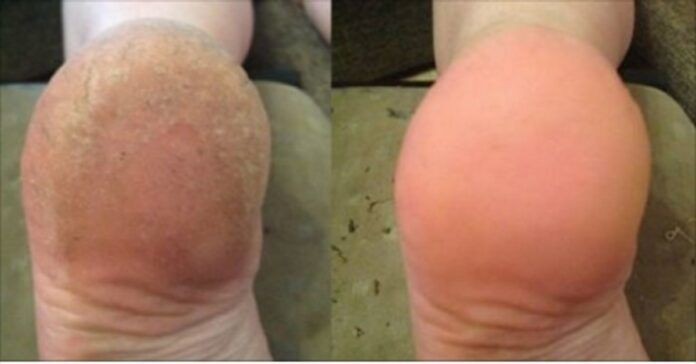
Hard and unsightly skin on the heels bothers almost everyone. Sometimes pieces of skin may even peel off and tear, which can cause pain and possible infection. Therefore it’s appropriate to care for the heels properly – but how? There is a very simple method that you can try too. Thanks to it your feet will be smooth and soft again.
You will need:
- Basin
- 1.5 liters of warm water
- 4 tablespoons of hydrogen peroxide
- Pumice stone
How to proceed?
First, put your feet into the bath. The water should be warm enough to soften the skin on your feet. After about five minutes, take your feet out, dry them lightly and prepare the hydrogen peroxide. Put four tablespoons into the water and stir them well. Meanwhile also prepare a pumice stone or another similar tool for removing hardened skin.
Then immerse your feet in the solution again and stay there for about ten minutes. You may feel a slight stinging or itching on the soles, but that is normal. After ten minutes the skin will begin to peel off on its own, but harder layers need to be removed with the help of a pumice stone. Proceed carefully so you don’t hurt yourself. Remember that the feet are very softened by the peroxide, so there is no need to press particularly hard on the pumice stone.
You can repeat this bath once a week, but for a maximum of one month. Do not apply this procedure for longer, as it may be unnecessarily irritating for delicate skin. Don’t forget to apply a suitable softening and protective cream to your heels after each treatment.
Peeling
If you have more time, it is possible to use a scrub once a month. It will perfectly soften the skin and rid the heel of dead skin cells. Simply apply a little scrub mixture to your heels and massage the feet in circular motions for several minutes. This will also improve circulation in the foot, which is extremely pleasant and healthy. As a homemade scrub you can use ordinary table salt or sugar mixed with a little water or oil. Do not use the scrub too often to avoid damaging the skin’s protective layer.


