
Article content
The effects of ginger in the fight against the flu and colds have been known to humanity since ancient times; it was used especially in Chinese and Indian traditional medicine. However, physicians even in ancient times knew that these health problems were by no means the only ones that ginger can be successfully used to treat.
When it comes to the remarkable medicinal effects of ginger, there are indeed many:
- reduces levels of dangerous cholesterol
- has strong anti-inflammatory effects
- has diuretic, and thus cleansing, effects
- helps with weight reduction
- helps with migraine and headaches
- eases muscle pain
- optimizes stomach juices, and also
- helps in the fight against arthritis and rheumatism.
Ginger is most commonly consumed in the form of tea.
The last point — namely ginger’s effect in alleviating the unpleasant and painful manifestations of arthritis and rheumatism — is not widely known. Nevertheless, people with these diagnoses are advised to try ginger, preferably in the form of a compress.
Ginger tea
Slice fresh ginger into thin slices or chop it finely, put it into a glass and pour boiling water over it. You can also add a little lemon juice and good-quality honey. Let the drink cool and then drink it once in the morning and once in the evening. If you follow this routine for a whole month, you will see that your discomfort will ease.
Ginger compress
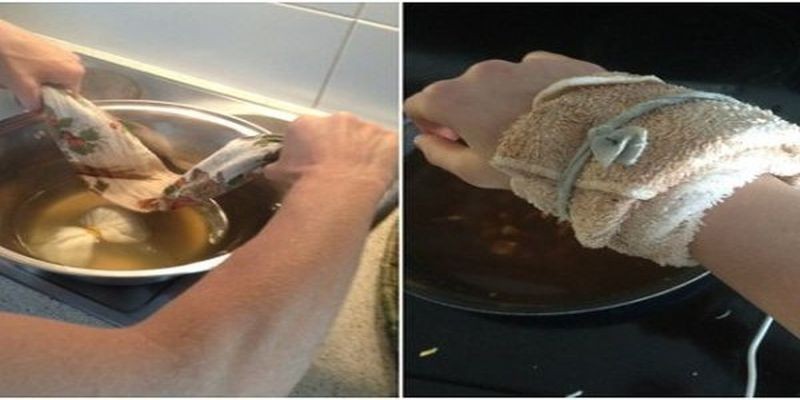
If you suffer from arthritis or rheumatism, you can try a ginger compress, which is surprisingly effective. Preparation is simple: you will need 140 g of fresh ginger and 40 g of dried ginger. Bring water to a boil in a pot, add both types of ginger and simmer for about 5 minutes.
Allow the finished infusion to cool slightly, then dip a strip of cotton cloth into it, squeeze it lightly and apply it to the affected area. Then cover the cloth with a dry towel and leave it on for about 10 minutes. After that, replace the compress with a new one. The whole process should be repeated a total of three times.


