
Article content
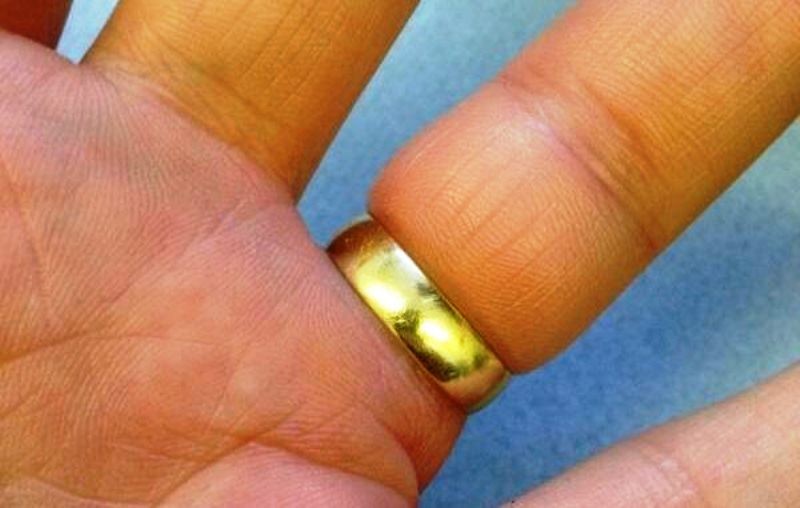
Do you wake up every morning even after a good eight-hour sleep with swollen eyes? Do your fingers swell during the day and do your legs tend to swell in the evening? This does not happen without reason. Maybe your body is trying to warn you that something is not right. Read about possible causes of water retention and swelling, and if you get the impression that you may suffer from one of the diagnoses listed, consult your doctor.
Swelling can be caused by blood pressure problems, allergies and varicose veins
Swelling of the legs and face is often associated with high blood pressure and with a reduced amount of protein in the blood. More movement helps; walks in the fresh air are ideal.
Allergic swellings can appear in different parts of the body. In this case tissues accumulate substances that absorb fluid from the vessels and show up as swelling of various parts of the body. An allergic reaction is usually accompanied by itching or redness. Try to determine the cause of the allergy and avoid the specific allergen.
With varicose veins, swelling occurs as a result of high pressure in the capillaries, which causes fluid to pass from the vessels into the tissues. The application of so-called contrast baths, alternating hot and cold water, helps; they firm the vessels and limit swelling.
Also watch out for heart and kidney problems
If you have suffered heart failure, your legs and palms will probably swell due to an excessive amount of fluid in the vessels; they are often cold to the touch. A rash also often appears. In such a case consult a cardiologist who will prescribe the appropriate treatment.
The kidneys function as a filter in our body. Swelling is caused both by proteins in the urine and by the kidneys’ inability to regulate the body’s sodium level. A soft swelling that mainly appears in the morning on the face, cheeks and hands indicates a kidney problem. Consult your doctor about treatment; never take diuretics without a medical prescription. Short-term measures that may help include:
- Avoid long periods of standing or wearing high heels.
- Moderate exercise.
- Adequate fluid intake.


