
Article content
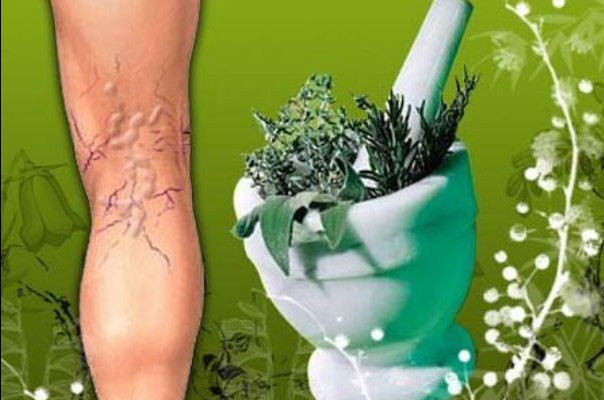
Medically, varicose veins are called varices and are characterized by their enlargement and twisting, as well as superficial dilation.
Something about varices
The development of varicose veins is closely related to improper, insufficient blood flow. Blood begins to accumulate when veins lose their elasticity, which occurs more often in the case of the lower limbs.
As for the external manifestations of this condition, in milder cases the veins on the skin surface may resemble spider veins. However, in more severe cases the veins can even form bluish knots or lumps. In addition, further problems may occur, including in particular
- early fatigue
- a feeling of heavy legs
- swelling
- pain
- cramps
- tingling, or even
- itching.
Prevention is best
If you want to prevent the development of varicose veins or only have mild symptoms, you need to follow a few basic rules. The first is an appropriate weight, which should be balanced with your height and overall build. The less you load the problematic area, the lower the risk of developing or worsening varicose veins.
Alongside optimal weight, regular exercise is also important. You can of course choose the type of physical activity according to your interests, possibilities and physical condition; what matters is its regularity. Active walking counts, of course.
It is also recommended to alternate warm and cold water, which is most easily achieved by showering your legs alternately with warm and cold water. If you have the opportunity, seek out wellness centers that offer the so‑called Kneipp path, which is a system of pools with very hot and very cold water, usually complemented by stones.
You may not have known how important the position of the legs is when sitting or lying down. Especially when sitting you should consistently avoid crossing your legs, because this has a negative effect on proper and necessary blood flow. If you are lying down and have the opportunity, relieve your legs by elevating them. This especially helps optimize blood flow. Women prone to developing varices are advised not to wear high‑heeled shoes frequently.
Compression stockings
The basic aid that, by its pressure, substitutes for the strength of the venous walls and supports optimal blood flow are compression stockings. Wearing them may be a little uncomfortable at first, but it’s a matter of getting used to. The important thing is that they provide real relief and, in particular, prevent the deterioration of the medical condition.
There are several classes of compression stockings, from light to very strong, depending on the degree of current difficulties. The name „stockings“ might be misleading and confusing to some, because they do not necessarily have to be just true stockings. Their goal is to act precisely on the area where varices form, so they are made in various variations, for example calf‑only, thigh‑high, and similar.
Surgery, but also self‑help
A very effective surgical method is the so‑called sclerotherapy of veins, though there are several procedures for the intervention. However, if you have, for example, concerns about the procedure or your veins are not yet in a condition that would require it, in addition to the lifestyle adjustments mentioned above you can, for example, increase your intake of vitamin P, which is available in pharmacies in the form of dietary supplements.
You can also, for example, make an herbal decoction, soak a handkerchief in it and apply it to the affected area. Horse chestnut, comfrey, white oak bark and rosemary are recommended for varicose veins.


