Article content
Each of us has experienced an insect bite, and often we are not sure exactly what bit us. Most people automatically assume it was a mosquito, but different types of insects cause different bites that require different treatment. This list will help you better recognize and properly treat the most common bites.
1. Mosquitoes
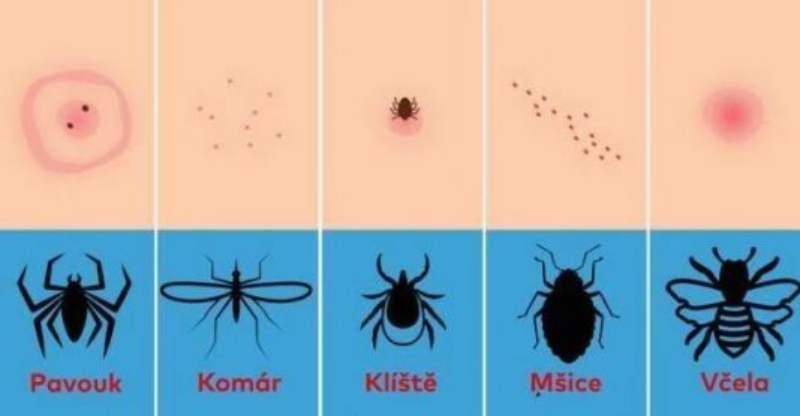
A mosquito bite is common, small, itchy and quickly becomes annoying. Unpleasant symptoms usually disappear within a few days. It is important not to scratch the bite to prevent infection. Use an over-the-counter cream to relieve itching. However, if you have a fever, swelling or enlarged lymph nodes, contact a doctor immediately, as this may be an allergic reaction.
2. Fleas
Fleas can bite even in homes without pets. Their bites are often frequent and small, accompanied by red dots and intense itching. To treat the wound, wash it with hydrogen peroxide, take a bath and wash clothing at a high temperature.
3. Bedbugs
Bedbugs are active mainly at night, and their bites appear on hairless areas. If you have more than 4 bites on your skin, it is recommended to contact specialists who focus on eliminating bedbugs. Reactions to bites vary according to individual sensitivity; some bites may even be invisible.
4. Spiders
A spider bite can cause irritation and redness that lasts 5–10 days. Some bites are painful, others are not. You can recognize them by two small puncture marks on the skin. After a bite, wash the area with soap and water and apply a cold compress. If the skin is hot or the swelling increases, see a doctor.
5. Ticks
Ticks are feared because they transmit diseases such as Lyme disease. After a walk in nature, thoroughly inspect your body. If you find an attached tick, remove it as soon as possible and monitor the area for several days. If redness appears or symptoms such as fever and fatigue develop, seek medical attention.
6. Ants
An ant bite will cause a small blister that itches and burns. In most cases the itching disappears within a few minutes. The blister will later turn into a small scab that disappears within 3 days. Cold compresses and steroid ointments can relieve the itching. If you have a fever or headaches, see a doctor.
7. Hymenoptera (wasps, bees)
A sting from a wasp or bee is painful and can trigger an allergic reaction, including anaphylactic shock. If a stinger remains in the skin after the sting, remove it carefully. Watch for allergy symptoms, which can include itching, shortness of breath or a drop in blood pressure. In case of a severe reaction, seek medical help immediately.
8. Scorpions
Although scorpions do not occur in our area, you may encounter them when traveling to southern Europe. The sting is painful, but most European species are not dangerous. Disinfect the wound, apply a cold compress and take a painkiller. If other symptoms appear or a child was stung, seek medical attention immediately.
This overview can help you recognize and properly treat insect bites. Share this useful information with your family and friends!