
Article content
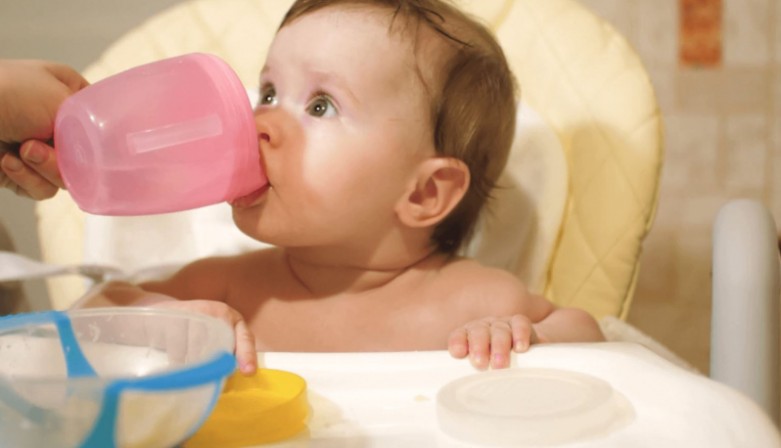
You may never have thought of it, but children under 6 months must not be given water. Why is that and when can they start drinking water?
Consequences of water ingestion
Most of us can hardly imagine how it is possible that children do not receive it for a full six months. What you may not know is that 70–80% of breast milk is made up of water. That is enough for children during that time and it is the best option for them. But why shouldn’t they get water into their bodies?
- insufficient milk intake – the infant’s stomach will fill with water, so there will not be enough room to receive milk and their development will slow down
- poisoning – their organism is still undeveloped and vulnerable, so there is a high risk that the water will not be properly treated and poisoning may occur
- diarrheal illnesses
- serious health conditions – premature intake of water can cause a disturbance in the child’s electrolyte balance and this can lead to seizures
Water is our most basic source of nourishment and without it we would not survive long. It is of course essential for infants as well, but you need to wait for the right time. If you rush it, you can cause serious problems.
When a child can start receiving water
It should be given in small doses. It must not be a sudden process where one day they drink milk and the next they are given only water. As they grow, the need for food and fluids will increase. However, care must be taken that water does not become the main source of food. And when is it best to start including it in the diet? Experts definitely recommend starting only after the sixth month. At that time the child should be wetting their diaper 6-7 times a day. This will show that water consumption is sufficient. The worst are infants who do not like water. Mothers then resort to alternatives such as syrup or juice and the child is set up for obesity. In general, raising a child is very difficult and leaves little room for mistakes, so it is important to allow time for such matters.


