Article content
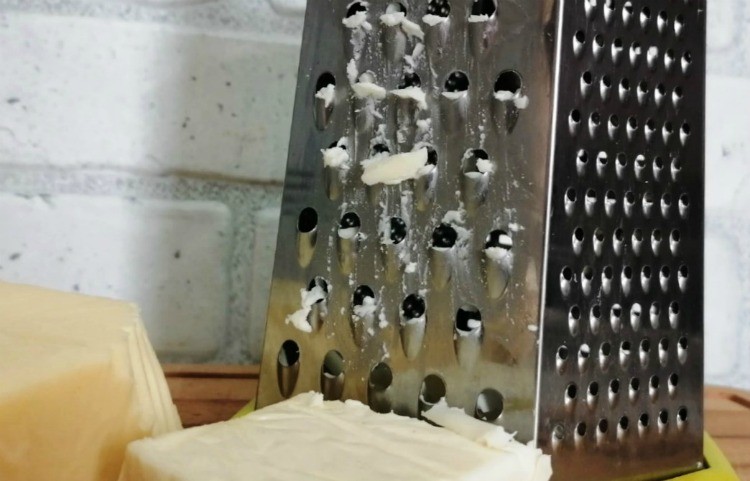
While nuts, seeds or even fruit can be conveniently blended in a blender, if we need, for example, cheese for a spread or for sprinkling on food, we have to use a grater. Slicing is too time-consuming and we rarely manage to cut cheese into equally thin strips. Buying pre-shredded cheese is not recommended for economic and taste reasons. The problem with a grater, however, is that cheese sticks to it, tears and remains on its inner side. One of these two things will solve the problem:
- Sunflower oil
- Olive oil
Coat the blades with oil
Using a paper towel or a silicone basting brush or brush, rub the grater with oil before use. It will coat both the inner and outer sides. Then you can grate comfortably. The oil film preserves the integrity of the cheese strips so they won’t tear. Grating will go faster and the cheese will not stick. If you use the cheese as a topping, the finished dish will have a far more attractive and tasty appearance. Another advantage is that the grater is then much easier to clean.
For potatoes and vegetables
Although this trick works to some extent with creamy cheeses as well, it is always better to choose a harder cheese like Edam, Emmental, Parmesan or Gouda. Mozzarella is also popular and adds an interesting flavor to dishes. It is also necessary to have a quality stainless-steel grater with sharp blades, which we then coat with cooking oil. This trick works great when grating boiled potatoes, cooked vegetables or other dishes that unpleasantly stick to the grater.
The advantage of homemade grated cheese is primarily its price. Although we can buy ready-shredded cheese in stores, it is a bit more expensive than buying it whole. In industrial shredding, contamination of the cheese can also occur and it may then contain higher levels of yeasts, which significantly and negatively affect the taste. The safest option is to buy the cheese whole and process it at home as needed and to your liking.