
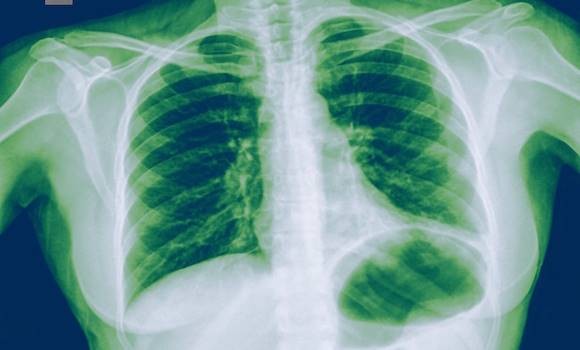
Article content
The onset of pneumonia can have different causes. Most often the triggers are viruses or bacteria. Unfortunately, physical-chemical influences can also cause pneumonia. Such an illness can even be life-threatening. How can it be identified in time?
Pneumonia
Pneumonia is particularly dangerous in young children, people with chronically impaired immune systems, and in seniors. Pneumonia is an inflammatory disease affecting lung tissue. The most common causes of the disease are bacteria, viruses, fungi, and various parasites, which are otherwise considered infectious agents. This is in contrast to pneumonia caused by physical-chemical particles. These compounds are not infectious, so you will not infect another person. In such cases the course is milder and death only very rarely occurs. The bacteria that cause a severe course of pneumonia are: Haemophilus influenzae, Staphylococcus aureus and Streptococcus pneumoniae. These bacteria are the main triggers that cause health problems. This is mainly because bacterial pneumonia is not recognized early on.
Symptoms of pneumonia
You should not ignore these symptoms. If they occur, it’s best to see your general practitioner right away, inform them about the course of your illness, and they will provide a proper examination to determine the exact cause of your health problems. Symptoms include:
- Sudden and high fever – over 40 °C
- Chills
- Severe cough
- Exhaustion
- High heart rate – 120 bpm
- Phlegm is purulent or contains blood
- Muscle and joint pain
- Unbearable headache
If you notice any of the above symptoms, or several of them, do not hesitate to visit a doctor who will determine the cause and provide the necessary treatment. In the case of bacteria, antibiotic therapy is used, so do not hesitate and see your doctor promptly.


