Article content
What is a gardener’s fulfilled dream? Definitely to grow a large harvest on a small garden! A garden is joy, relaxation and for most growers also a great hobby; moreover, the harvest can replace chemically treated fruit and vegetables from supermarkets. But how to have as many types of vegetables as possible in a small garden and still have a big yield? Get inspired by the proven tips of longtime gardeners who know how to do it!
1. Tomatoes
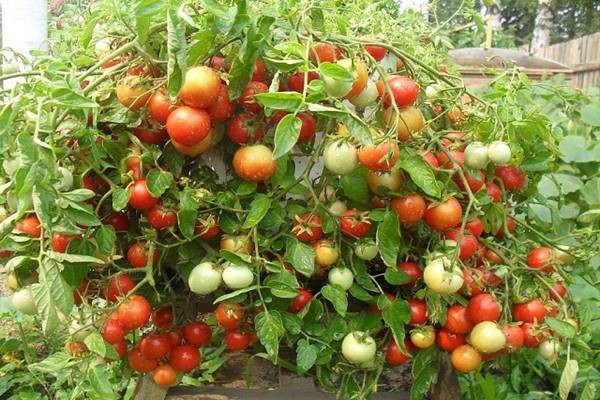
How to get a rich tomato harvest? When planting you can add 2 small fresh fish to each stem so the soil is rich in nutrients. It is also recommended to collect fish bones, let them dry and then crush them into a fine powder using a blender. This powder is then added to the roots at planting; alternatively, the bones can be boiled, then blended into a mash and used when watering.
2. Cucumbers
Crushed eggshells excellently supplement minerals, especially calcium, into the soil. Crush them finely and add them to the soil when sowing cucumber seeds or other vegetables.
3. Potatoes
When planting potatoes it is advisable to add humus, crushed mown grass, or add mustard seeds. After germination leave the seeds as they are; they will serve as a source of nutrients for the potatoes.
4. Vegetables and flowers
How to replenish minerals in the soil? Banana peels will come in handy. They can be dried and crushed and added to vegetables, but also to flowers such as azaleas, acacias or roses, because this supports flowering. You can also boil 4 dried banana peels in 1 l of water and then water the plants with this infusion.
5. Onion
A watering with dissolved yeast works great for onions. Use 10 grams of yeast per 10 liters of water; don’t overdo the concentration and you can use fresh or dry yeast. Then regularly water onion beds every two weeks. This solution is also suitable for cucumbers, tomatoes and peppers, which it is advisable to water with this mixture immediately after planting, because it contains a large dose of vitamin B.