
Article content
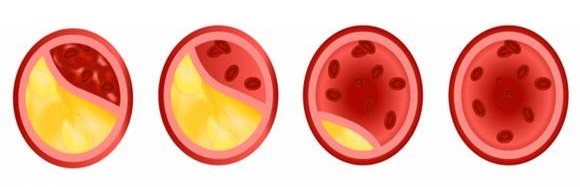
When there are problems with blood pressure, clogging of the vessels with plaque, or actual blockage of blood vessels, life-threatening situations can occur. Poor supply of oxygenated blood also worsens the functioning of internal organs. A lack of oxygen due to fatty deposits in the vessels leads to the occurrence of myocardial infarction. Regular medical check-ups are a way to prevent problems. Changing eating habits also helps, especially including 10 foods that help clean the arteries and lower cholesterol levels. Which are they?
1. Apples
Our grandmothers already knew it and it still holds true today! One apple a day helps cleanse the arteries and blood vessels, and the large amount of fiber it contains lowers cholesterol levels. Plaque accumulation is prevented, and the antioxidants also help to prevent cardiovascular diseases.
2. Fatty fish
Omega-3 fatty acids reduce inflammation in the body and limit plaque formation in the vessels. Eating fatty sea fish such as salmon, tuna, sardines, mackerel, or herring helps.
3. Avocado
Avocado contains unsaturated fatty acids that have a positive effect on heart function and the cardiovascular system. Phytosterols also lower levels of bad cholesterol, while oleic acid increases good cholesterol.
4. Broccoli
This vegetable, rich in vitamin K, prevents the formation of blood clots. The fiber also lowers blood pressure. It is not suitable for patients taking anticoagulants, drugs that reduce blood clotting.
5. Coffee and caffeine
Drinking coffee in moderation is beneficial to health; caffeine and antioxidants can help prevent some heart diseases.
6. Walnuts
A few walnuts a day enrich the body with omega-3 fatty acids.
7. Spinach
This vegetable effectively lowers blood homocysteine levels. This compound increases the risk of myocardial infarction. Spinach also contains lutein and zeaxanthin, which protect blood vessels and capillaries from the effects of free radicals.
8. Watermelon
Melons contain amino acids that naturally dilate blood vessels and help regulate lipid levels in the blood. The active compound L-citrulline helps produce nitric oxide, which has vasodilatory and antihypertensive effects.
9. Oranges
Regular consumption of oranges leads to a reduction in bad cholesterol levels due to their pectin content. They contain a range of antioxidants that reduce vasoconstriction and support the functioning of the body’s immune defense.
10. Asparagus
Folic acid limits vascular calcification, so asparagus is a good addition to the diet. It also contains a large amount of fiber, which helps harmonize blood cholesterol levels and reduces high blood pressure.


