
Article content
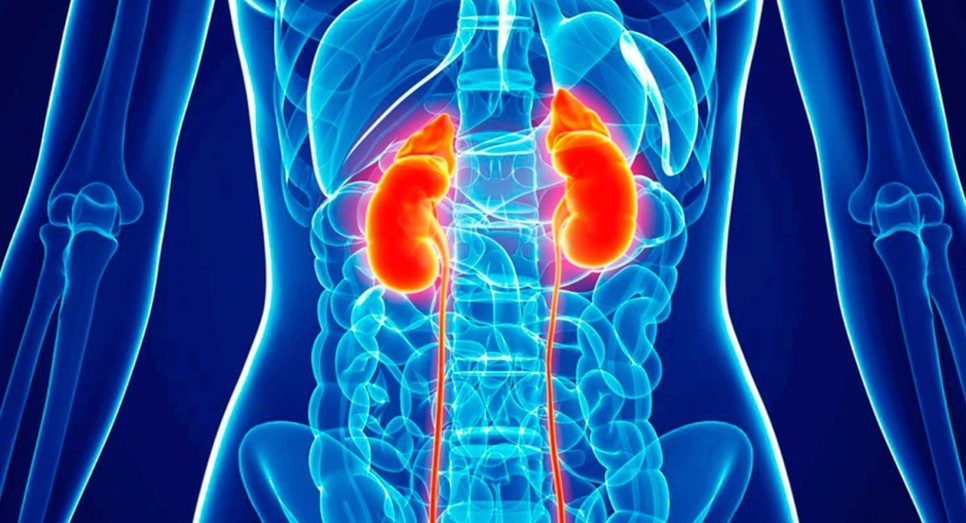
Kidneys are a paired organ that help us get rid of excess fluid and harmful substances. They usually act as a kind of blood filter and produce urine.
In addition, the kidneys maintain the body’s mineral balance, produce hormones and play a major role in regulating blood pressure.
Kidneys and the importance of prevention
If the kidneys are damaged, your body loses the ability to eliminate harmful substances and fluids. In most cases this is caused by people suffering from chronic kidney disease.
Experts say that people with diabetes, hypertension and heart disease are at greater risk. If there are people in your family whose kidneys fail, the likelihood of these diseases increases.
However, if you discover problems at an early stage, you should resolve them as soon as possible.
These are symptoms that point to kidney dysfunction:
Fatigue
If you are constantly tired and have trouble concentrating, it may be the result of accumulated toxins. In addition, kidney failure often leads to anemia and that is the cause of excessive exhaustion.
Increased need to urinate
Have you noticed that you need to go to the toilet more often than before? It may indicate impaired kidney function.
Insomnia
If your body cannot remove toxins from the blood, falling asleep will be difficult for you.
Swollen eyes
Diseased kidneys begin to excrete an abnormal amount of protein. This leads to fluid retention in the body and persistent swelling of the eyes.
Dry skin
An imbalance of minerals and fluids causes skin problems – it becomes dry and itching occurs.
Blood in urine
If the blood filter does not work well, blood cells usually enter the urine. However, this symptom can also indicate kidney stones, infections or even cancer.
Swollen legs
Worsening kidney function leads to retention of sodium and fluids in the body. Patients often complain of swelling of the ankles and feet, which is especially noticeable in the morning.
Muscle cramps
An imbalance of calcium and phosphorus often leads to muscle cramps.
Loss of appetite
Numerous causes, including chronic kidney disease, can cause a loss of appetite.
Foamy urine
People with kidney disease have also noticed that their urine is foamy.
How to prevent the development of kidney disease?
Diet
Doctors recommend limiting the amount of saturated fats, sugar and alcohol. This is important because it can eliminate harmful effects on the kidneys. Add lean meats, leafy greens, whole grains and fruit to your diet.
Physical activity
Exercise at least 30 minutes a day. It will help improve your well-being and maintain a healthy weight, which also plays a major role in protecting the kidneys.
Stress management
Do not try to compensate for negative emotions with alcohol and cigarettes. Meditation, yoga, deep breathing and other relaxation techniques will help you overcome stress.
Managing hypertension
It is very important to keep blood pressure under control. Uncontrolled hypertension can eventually lead to kidney damage.


