
Article content
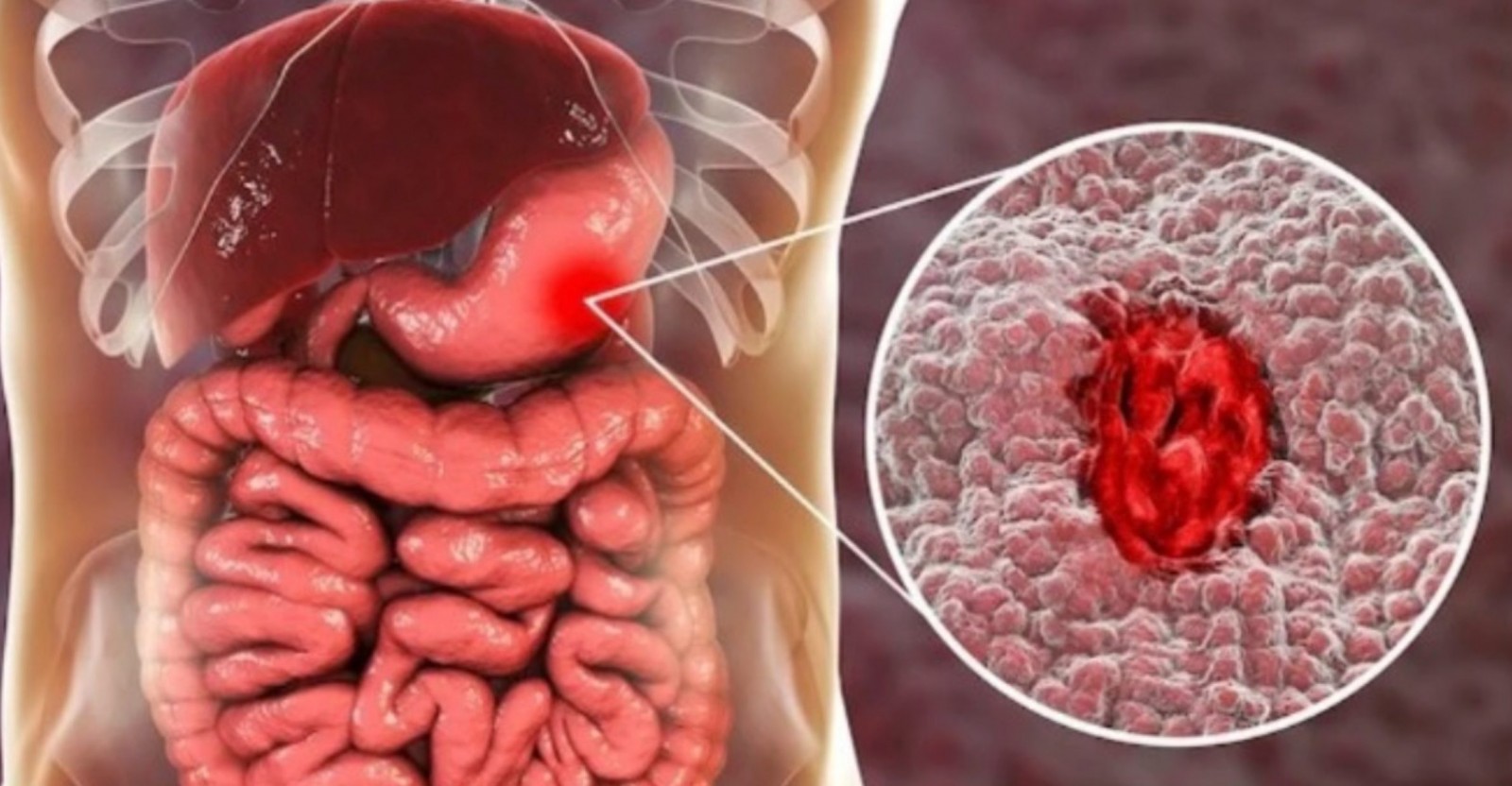
Stomach ulcers are sores in the lining of the stomach or small intestine. The stomach produces acid to achieve digestion and to protect itself from pathogens.
It also secretes a layer of mucus that protects body tissue. If this layer does not provide protection, the acid causes an ulcer.
Stomach ulcers can be treated, but if they cannot be cured they can cause significant problems. Some ulcers are asymptomatic, while others can cause a hole in the stomach wall (perforation).
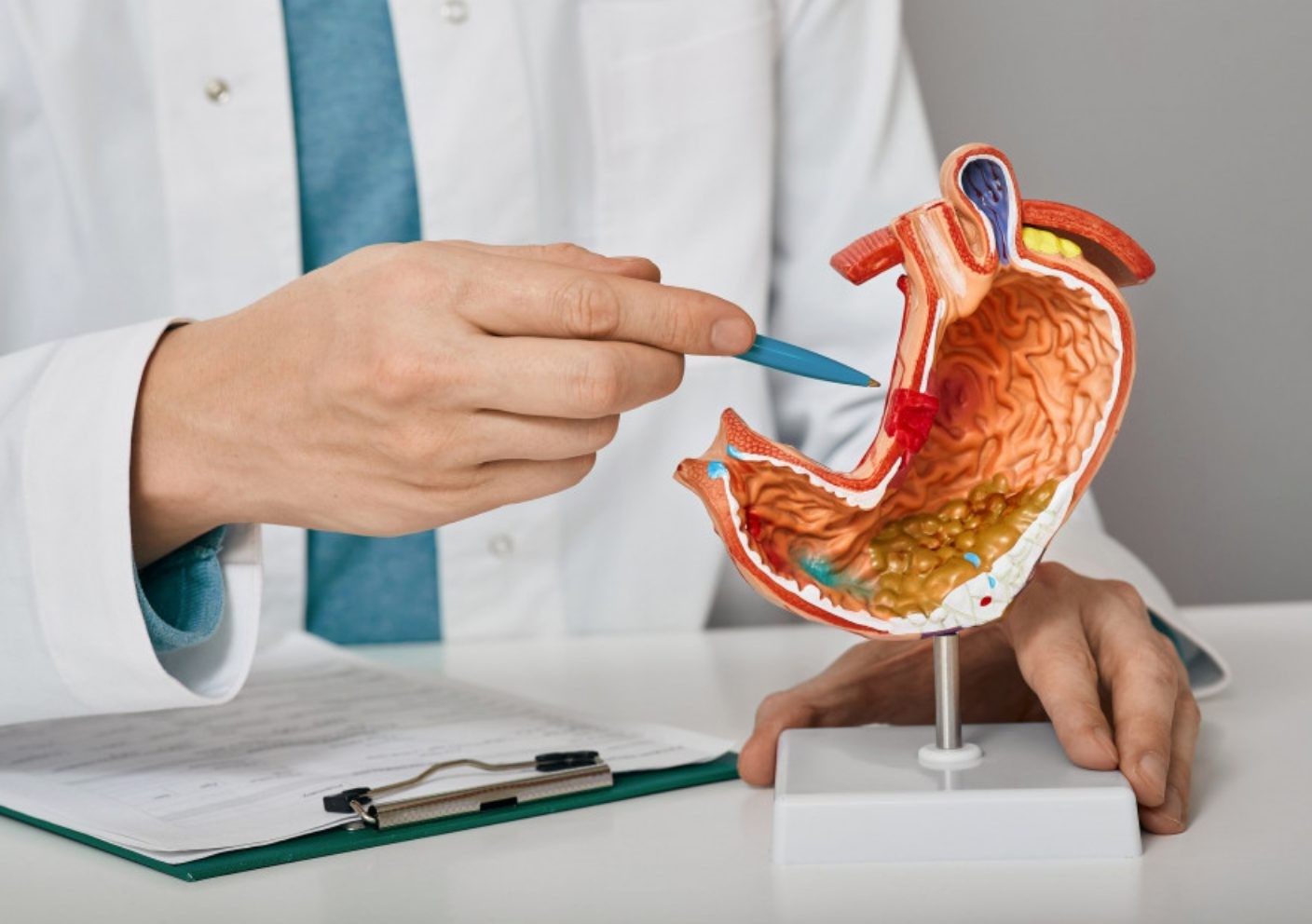
According to the American university there is no specific diet that a person with ulcers should follow, because no food can cause or worsen ulcers.
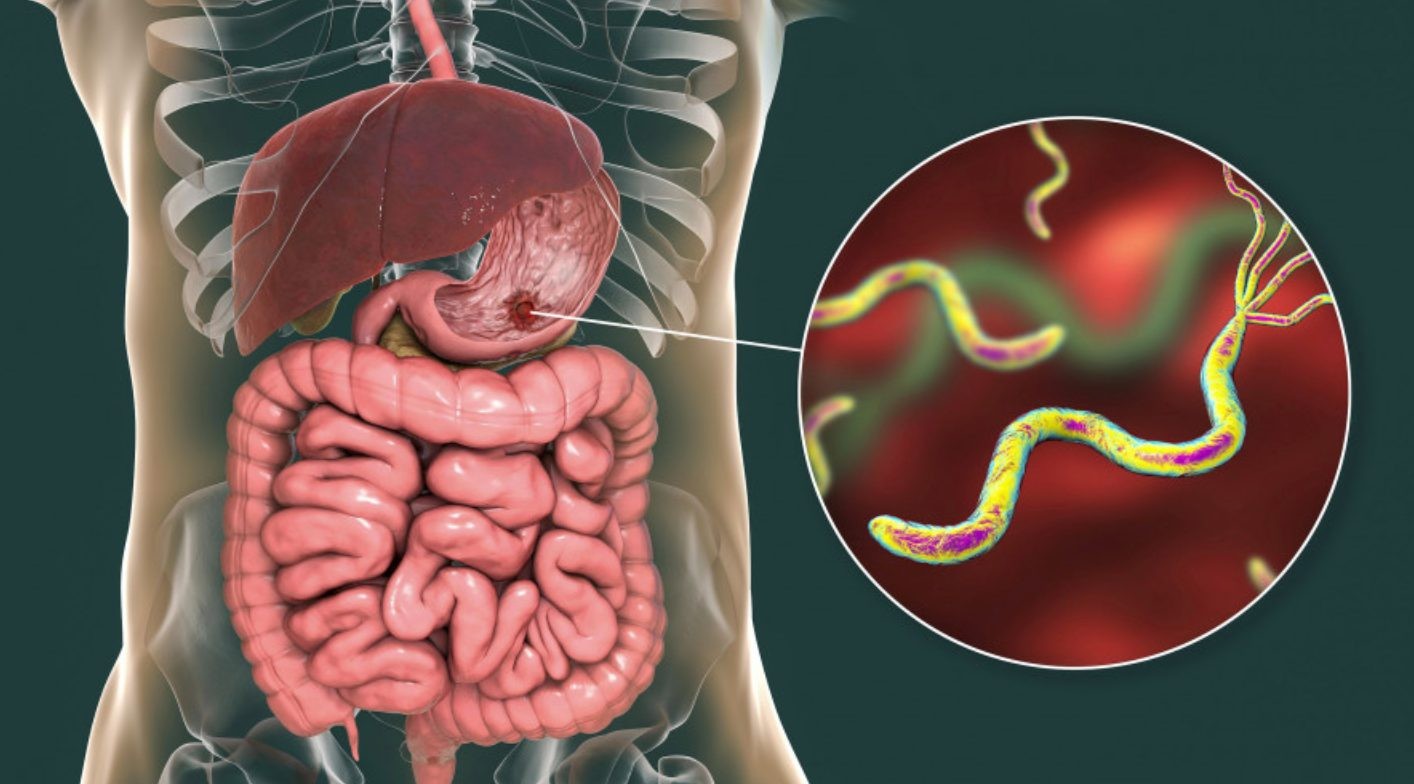
However, some foods may contain components that fight the bacterium Helicobacter pylori, which is one of the main causes of ulcers.
Symptoms of stomach ulcers
The main symptoms are pain, digestive problems and heartburn. Heartburn can be caused by acid reflux or gastroesophageal reflux and is felt in the lower part of the chest.
Other symptoms of ulcers include:
- Weight loss
- Nausea and vomiting
- Reduced food intake due to pain or a feeling of bloating
- Burp or gastroesophageal reflux
What to eat if you have stomach ulcers
Because Helicobacter pylori is a cause of ulcers, scientists are investigating which foods may play a role in fighting this infection.
In addition to taking antibiotics and drugs that block acid production, consuming the foods listed below helps.
You can eat the following foods:
- Cauliflower
- Broccoli
- Radishes
- Carrots
- Peppers
- Garlic
- Leafy greens such as cabbage and spinach
- Apples
- Blueberries
- Raspberries
- Strawberries
- Cherries
- Foods rich in probiotics, such as yogurt, kefir, miso, sauerkraut and kombucha.
- Olive oil and other vegetable oils
- Honey
- Licorice
- Green tea
- Turmeric
Why they are beneficial
If your stomach ulcer is caused by the bacterium Helicobacter pylori, foods rich in antioxidants may be beneficial. They could help protect and activate your immune system and help fight the infection. They may also help protect against stomach cancer.
Foods such as blueberries, cherries and peppers contain antioxidants. Leafy greens such as cabbage and spinach contain calcium and B vitamins.
Broccoli contains sulforaphane, a compound that shows activity against Helicobacter pylori. Some studies indicate that the fatty acids found in olive oil may also help in treating Helicobacter pylori infection.
Probiotic foods appear to heal ulcers and may even prevent reinfection.
Garlic, green tea and licorice complete the list of foods you might include in your diet.
Foods that may worsen ulcers
- Coffee
- Chocolate
- Spicy foods
- Alcohol
- Acidic foods such as citrus fruits and tomatoes
Useful tips
Ulcers caused by the bacterium Helicobacter pylori will most likely be treated with antibiotics.
Ulcer symptoms can also be worsened by overeating and eating two to three hours before sleeping.
Strict adherence to treatment recommended by a gastroenterologist and frequent monitoring of progress by the treating physician are the best ways to ensure that ulcers heal.
Source: newsitamea.gr


