Article content
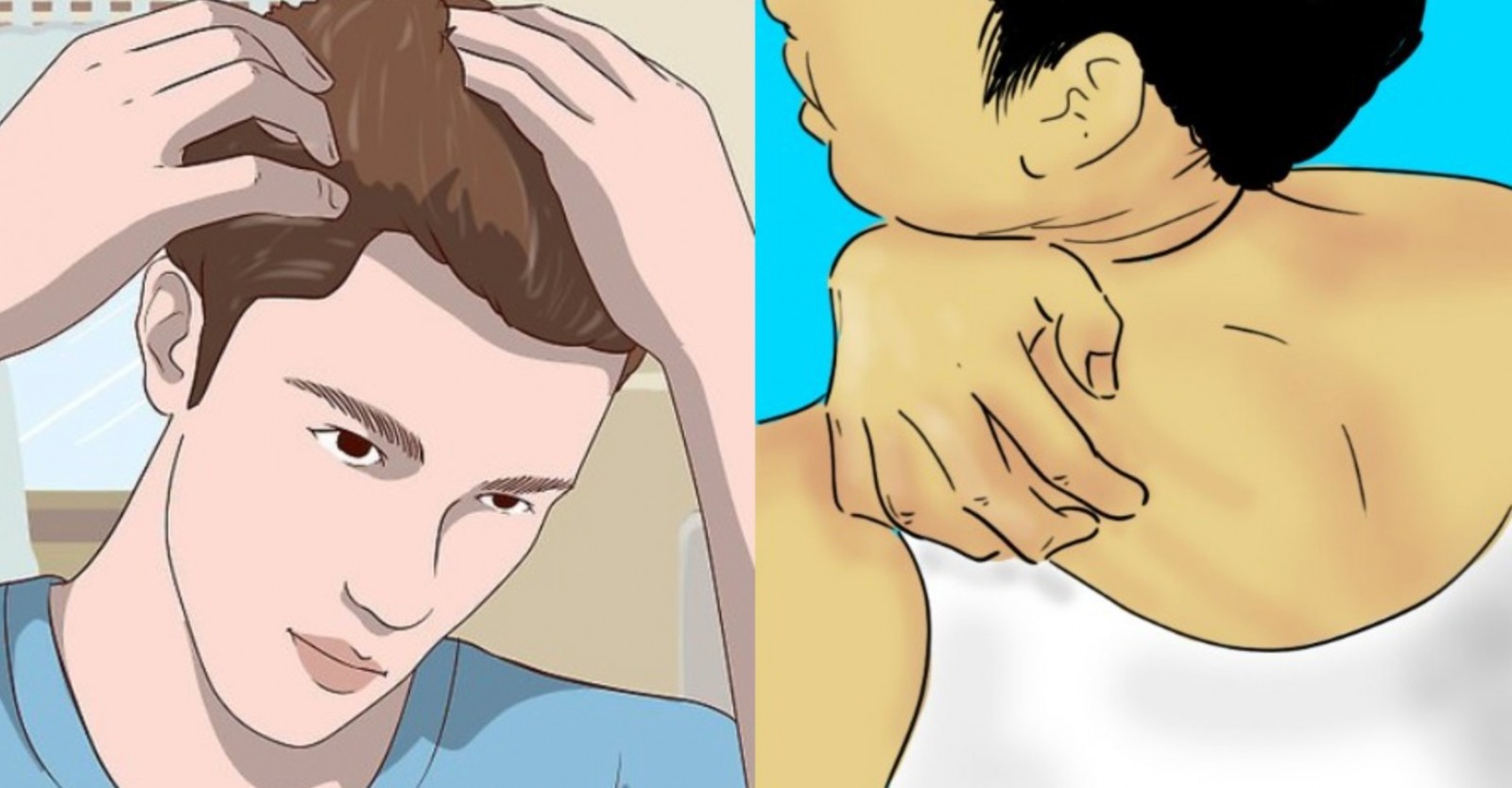
Itching, or pruritus, is a pathological problem characterized by an unpleasant sensation and the desire to scratch the affected area of the body. It is often caused by excessive release of chemical substances, such as histamine, in the body. If itching lasts longer than 6 weeks, it is called chronic itching.
Consequences may even lead to fever
Itching can affect the skin, hair, mouth, anus, rectal opening, genitals, nose, internal parts of the body and can be diffuse or localized. If pruritus (itching) is localized on the skin, often, though not always, external signs appear at the affected site, such as roughness, redness, scratches, blisters, spots.
Some of these visible lesions are caused by the affected person scratching the affected area themselves, which causes minor breaks in skin continuity, abrasions, and thickening of the affected area. The condition can in some cases lead to significant bleeding, microbial infections and fever.
Itching dramatically reduces patients’ quality of life and forces them to visit a specialist pathologist because of this problem. In many cases it interferes with sleep and causes anxiety and depression.
Causes of itching
- Intolerance and allergic reactions. Itching is the most common and well-known symptom in patients with allergies. Wool, synthetic fabrics, soaps, cosmetics and other substances can irritate the skin and cause intolerance, rashes and itching. Drugs such as amiodarone, ACE inhibitors, allopurinol can induce intolerance manifested by itching in recipients of these medications.
- Skin problems such as dry skin eczema (dermatitis), psoriasis.
- Inflammations caused by microbes and viruses, such as fungi and parasites, or immune system reactions to viral infection, for example after infection with the shingles virus.
- Systemic diseases accompanied by increased chemical itching or changes in bodily sensations, such as liver disease, kidney disease, diabetes.
- Nervous disorders that target nerves responsible for normal perception, such as multiple sclerosis, stroke, brain tumors.
- Psychiatric conditions. Examples include anxiety, obsessive–compulsive disorder and depression.
Proper pathological examination is important for the correct diagnosis and treatment, as pathology specialist Anastasia Moshovaki says in an interview for enimerotiko.gr. When medically investigating itching, it is important to rule out the existence of a systemic pathological disease that must be diagnosed and treated immediately because of the risk of serious complications.
These diseases include uremia, certain cancers, primary biliary cirrhosis, endocrinopathies, some hematological diseases, neurological diseases, exposure to pathogenic organisms.
Senile itching
Pruritus is common in older people and is often caused by senile dry skin, disruption of immune mechanisms and the vascular system due to aging, systemic diseases (e.g. chronic kidney disease, liver dysfunction, endocrine disorders, malignancies), local allergies, medications (e.g. opioids), infectious causes (e.g. lice), psychological factors or a combination of the above. If untreated, it can lead to serious complications, such as severe inflammations, insomnia and chronic fatigue syndrome.
Measures for treating itching
- Do not neglect a proper pathological examination, during which the correct causal treatment will be provided.
- Instead of scratching the affected area, massage it or gently tap it.
- Take lukewarm baths or showers often. Pat the skin dry and avoid vigorous rubbing.
- If the itchy area is on the skin, use a hypoallergenic moisturizing cream without fragrance.
- Keep nails clean, short and smooth
- Wear loose cotton clothing
- Do not wear tight clothing or clothing made of wool or synthetic fabrics.
- Avoid “soaking in the bathtub or shower”.
- Avoid sudden changes in temperature.
- Do not use irritating body cleansers, deodorants or moisturizing creams.
Source: newsitamea.gr