Article content
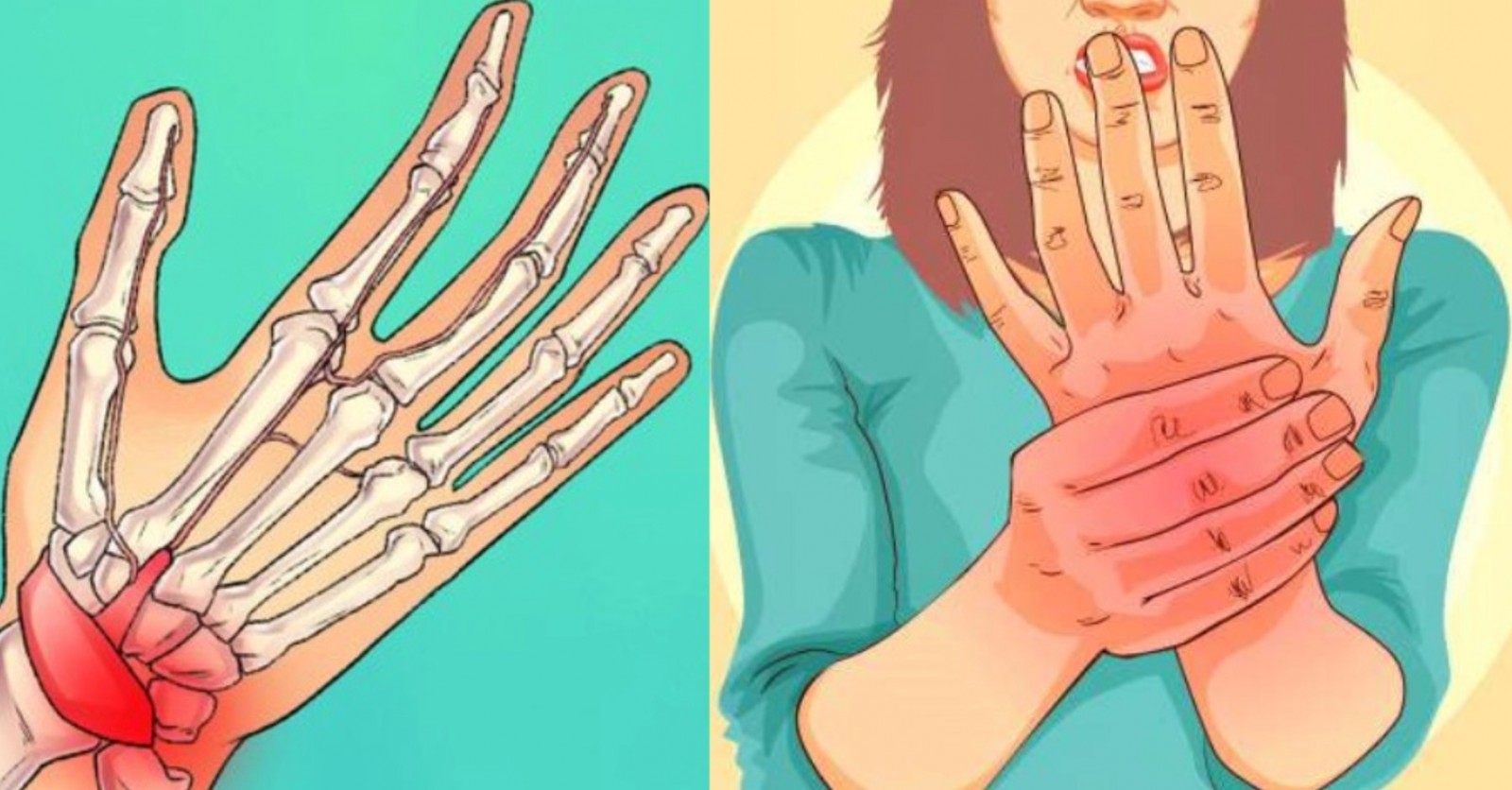
Osteoarthritis is the most common joint disease and one of the most common rheumatic diseases in women.
It affects women most and becomes more common with increasing age. We are talking about osteoarthritis, the most common joint disease, but also one of the most common diseases in people. What exactly is it, what are its symptoms and what is the treatment for osteoarthritis?
What is osteoarthritis (osteoarthrosis)
It is a chronic disease of the joints and spine that progresses over time. When it begins to “work” on your body, it gradually destroys the cartilage of the affected joint and creates new bone, so-called osteophytes.
It is classified among rheumatic diseases and usually affects a single joint, most often the limbs, but it can also affect the spine. In that case doctors refer to it as degenerative arthritis of the spine.
5 risk factors for osteoarthritis
Osteoarthritis is associated with heredity – women have a 30-50% chance of inheriting hand osteoarthritis from their mother.
- Obesity.
- Joint injury.
- Injuries and excessive fatigue caused by sports.
- Congenital causes, for example congenital dislocation of the hip.
Symptoms of osteoarthritis
- Pain: At first, joint pain appears after exertion, lasts for several days or weeks, and subsides with rest.
- Joint stiffness: This means difficulty moving after a short period of immobility, for example after nighttime sleep.
- These symptoms become more severe over time and more difficult to manage.
- Cracking (creaking) in the joint when moving.
- If osteoarthritis is not treated, inflammation and deformity of the joint occur.
How it is diagnosed
The doctor who diagnoses osteoarthritis is a rheumatologist. In addition to medical history and clinical examination, an X-ray examination is necessary. In some cases it may be necessary to perform a CT or MRI.
Treatment of osteoarthritis
In the early stages, treatment of osteoarthritis includes lifestyle changes, such as weight reduction, increased physical activity and physiotherapy. If the doctor decides that medication is necessary, they may recommend analgesics and nonsteroidal anti-inflammatory drugs, if appropriate.
In recent years, newer and innovative treatment methods have become available that can halt the progression of the disease and significantly improve patients’ quality of life.
Source: newsitamea.gr