
Article content
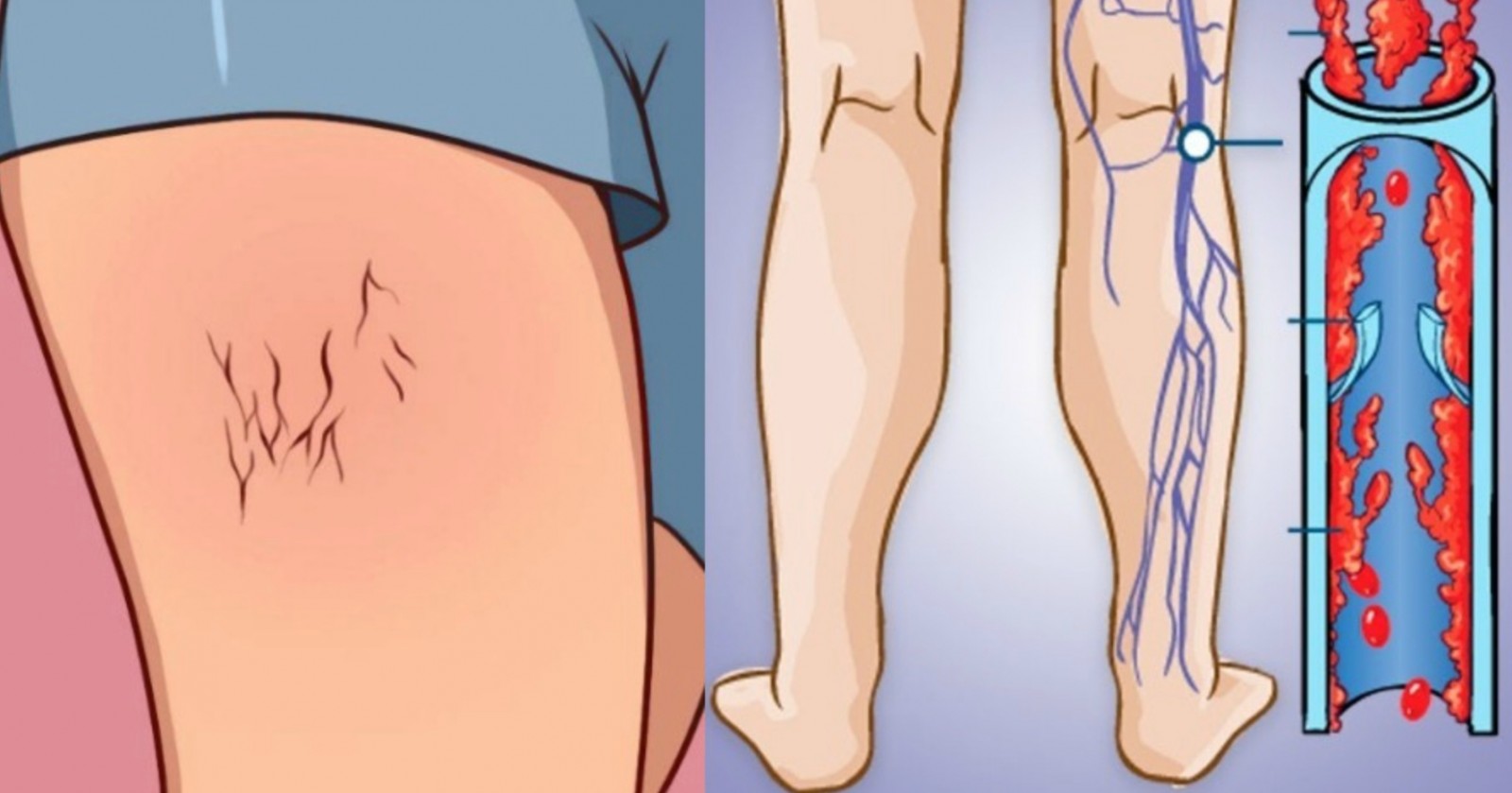
Clots form in the body when blood, which is normally liquid and flows freely through the body, coagulates and becomes gelatinous.
The process of blood clotting is useful in the case of an injury because it helps stop bleeding, but if there is no open wound on the skin, clots are dangerous or even fatal.
Most commonly affects
People with a diagnosed blood clotting disorder, pregnant women, overweight people, and people with sedentary jobs are at increased risk of blood clotting.
But which symptoms indicate a circulation problem caused by a blood clot? You can view the main ones below.
Blood clotting: seven sneaky symptoms you should not ignore
1. Leg cramps
Clots that form in the lower limbs often cause muscle cramps. Cramps are a consequence of so‑called deep vein thrombosis, which is a clot that forms in one or more veins deep in the body, especially in the legs. In addition to cramps, deep vein thrombosis can cause pain or swelling of the legs, but it can also be asymptomatic. A possible and serious complication of clots forming in the legs is pulmonary embolism.
2. Numbness of the limbs
Another common symptom of thrombosis is persistent numbness of one of the limbs. You should pay particular attention to this symptom if you have cardiovascular risk factors such as hypertension.
3. Skin discoloration
Clots that form in the body disrupt normal blood circulation, which affects the appearance of the skin. A typical symptom of thrombosis is a change in color (usually paleness) of the skin locally in the area of one of the legs.
4. Hot or cold skin
Clots can also affect the temperature of the limbs, which may feel warmer or colder to the touch. As with changes in skin color, the symptom is caused by disruption of normal blood flow.
5. Back pain
Back pain is one of the paradoxical symptoms caused by thrombosis. This occurs when the clot is located in the pelvic area (i.e., in the pelvis) or in the inferior vena cava, the main vein located in the abdomen. Clots in this area of the body are particularly dangerous because if left untreated they can lead to interruption of blood flow to the limbs.
6. Excessive sweating
In combination with one or more of the above symptoms, excessive sweating may indicate a clot in the lungs or in the heart. These clots are very dangerous and should be treated as soon as possible.
7. Shortness of breath
Shortness of breath is one of the most common symptoms of pulmonary embolism, i.e., thrombosis in the lungs. Such a clot can be life‑threatening.
Source: giatros-in.gr


