Article content
Hand tremor is one of the most common symptoms of Parkinson’s disease, but there are a number of other manifestations that may signal this neurodegenerative disorder. Although the presence of one or more of these symptoms does not necessarily mean Parkinson’s disease, it is important to pay attention to them and consult a doctor if in doubt.
According to the American Parkinson’s Disease Foundation, there are 10 symptoms that could indicate a risk of this disease:
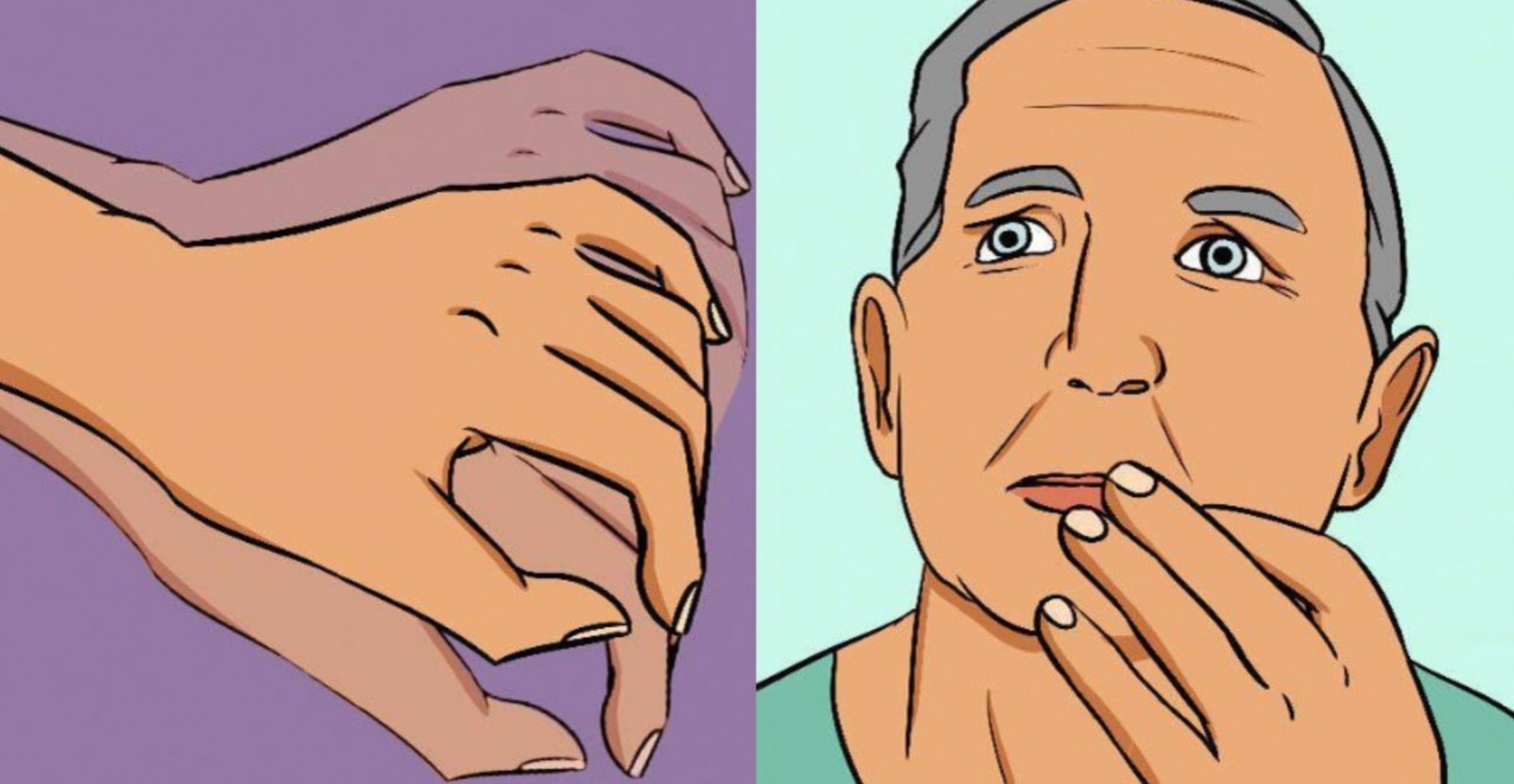
1. Tremor of the fingers, hand, or chin
This is one of the most obvious symptoms of Parkinson’s disease, yet it can also occur for other reasons, for example due to stress, fatigue, excessive exercise, or as a result of certain medications.
2. Change in handwriting – “miniaturization”
People suffering from Parkinson’s disease often write in smaller, more crowded handwriting, which is called miniaturization. If your handwriting suddenly changes significantly, it may be a reason for concern.
3. Problems with movement during sleep
Frequent tossing or sudden movements during sleep can also be a symptom of Parkinson’s disease. If you notice that you often change position or move unusually intensely, it may be a manifestation of this condition.
4. Change in sense of smell – hypersmia
People with Parkinson’s disease may notice changes in their sense of smell, often losing sensitivity to odors of foods such as bananas, dill, or licorice. However, this symptom can also be associated with a cold, the flu, or a coronavirus infection.
5. Stiffness of the body, hands, or legs
A feeling of stiffness or ‘glued’ feet to the floor is another symptom. This phenomenon can also be caused by arthritis, but if it occurs together with other symptoms, it may indicate Parkinson’s disease.
6. Changes in voice
People with Parkinson’s disease may have a hoarse, quiet, or weak voice. If someone around you notices that your voice sounds different than before, it’s appropriate to consider this symptom.
7. ‘Mask-like’ facial expression
This symptom is referred to as ‘personification’ – the face has a fixed expression, such as sadness or anger, which does not correspond to actual emotions. It can be caused by Parkinson’s disease, but also by some medications.
8. Constipation
Long-term problems with constipation can be a warning sign. This symptom is often associated with a slowing of bodily functions, which is characteristic of Parkinson’s disease.
9. Dizziness or tendency to faint
If you frequently experience dizziness or have a tendency to faint, it may be related to Parkinson’s disease, which affects the control of bodily functions.
10. Stooping or problems with posture
People with Parkinson’s disease often tend to stoop and have poor posture. If you notice significant changes in how you hold your body, it may be a good idea to consult a specialist.
In conclusion
Parkinson’s disease is difficult to diagnose because its symptoms can go undiagnosed or be mistaken for other illnesses. If more than one of the above symptoms appears in you or your loved ones, it is advisable to seek medical examination. Early diagnosis and treatment can significantly slow the progression of the disease and improve quality of life.