Article content
Mulberry is a wonder of nature. Its beneficial effects are today used almost everywhere.
Precisely because of its properties it should not be missing in any household.
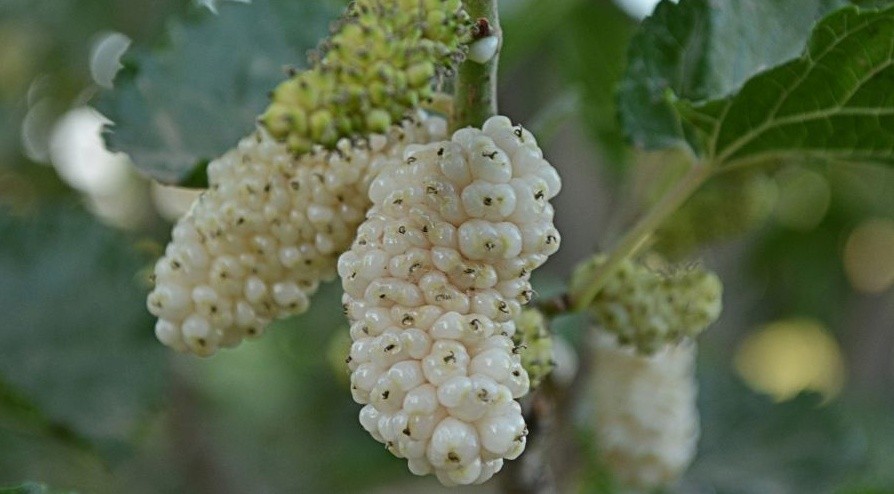
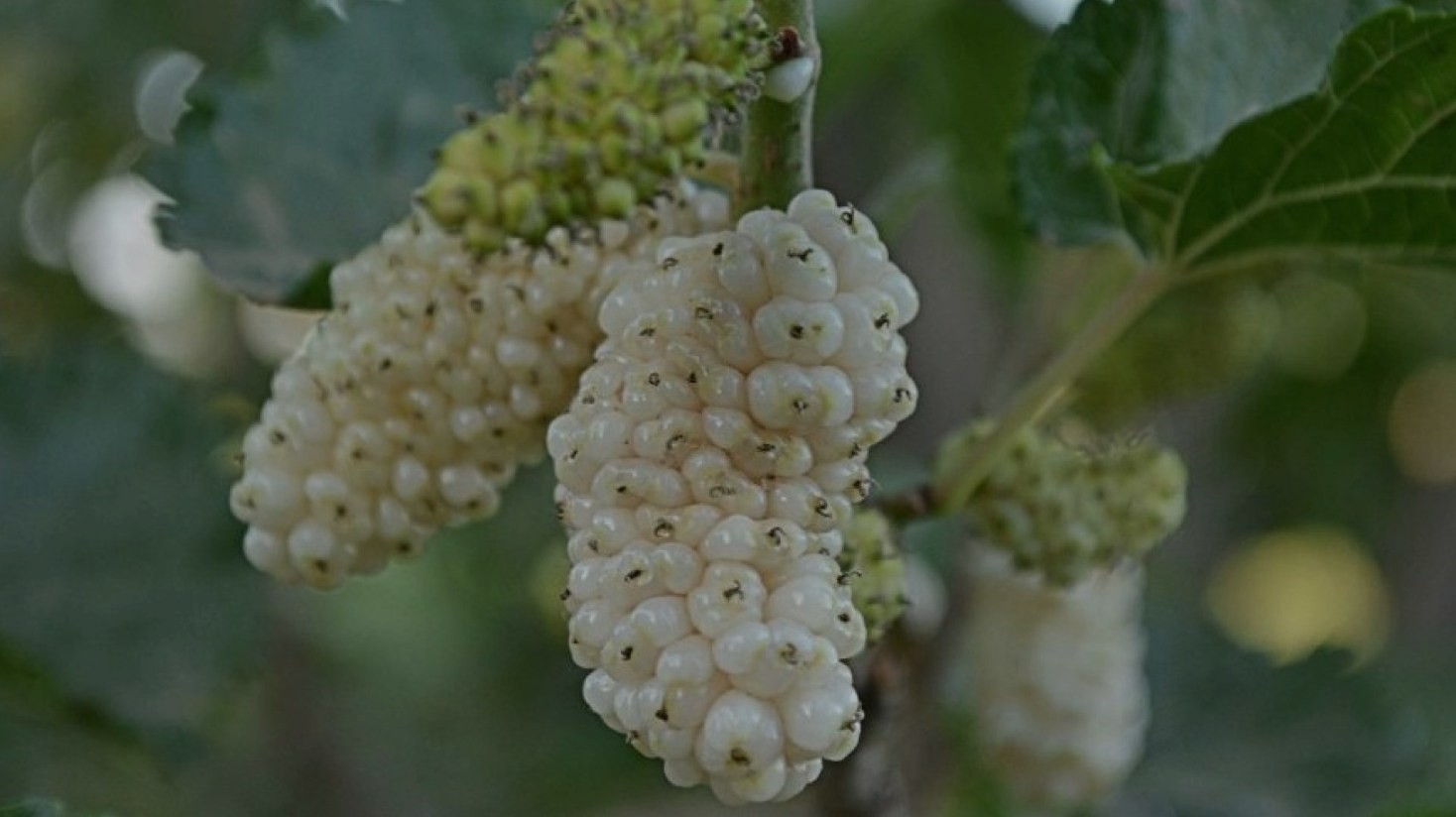
Here we have white mulberry, black and red. Its fruits can be easily mistaken for raspberries.
Maybe that’s also why it tends to be called a tree raspberry. Mulberry leaves are especially enjoyed by the silkworm.
For this reason mulberries were planted near roads and their fruits were dried, then ground into powder and used as an artificial sweetener.
Mulberries are also used to make syrups, fruit wine and jams.
Miraculous properties of the mulberry
Mulberry fruits contain many organic acids. For example citric or malic acid.
It is rich in vitamins C, B, K, A, E, as well as potassium, magnesium, manganese and iron.
Some experts claim that not only the fruits are miraculous, but also the bark and leaves, which prevent aging and help with many ailments.
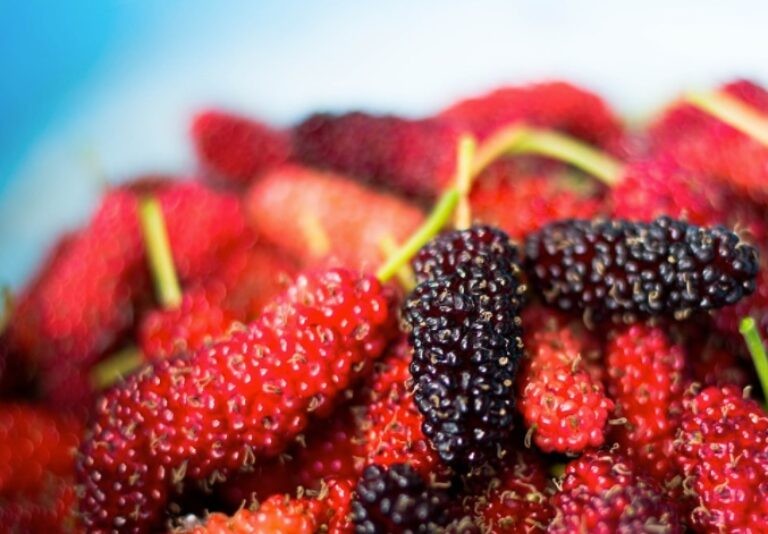
Black mulberry for infections
This mulberry has a wide spectrum of medicinal properties.
It is used in the treatment of urinary tract infections and diseases of the respiratory tract and throat.
This mulberry is commonly used to treat epilepsy, dizziness, insomnia and depression.
The juice helps with coughs and also with problems of excessive urination or sweating.
It also has a beneficial effect on canker sores, effectively healing wounds on the gums.
Unripe fruits help with diarrhea and, conversely, overripe ones help with constipation.
White mulberry has found application in cosmetics
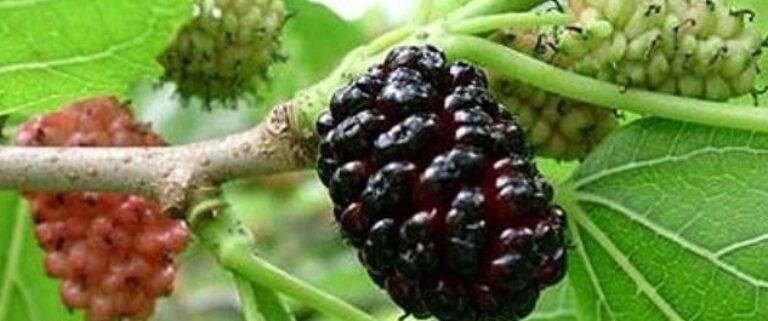
This mulberry is most widely used in cosmetics.
White mulberry is included in many cosmetic preparations intended for skin whitening and the removal of pigment spots, because it contains inhibitors that reduce melanin synthesis.
Many eye creams contain white mulberry for toning and cleansing the face.
Its effects are similar to those of black mulberry; it acts in arthritis, physical weakness, eye diseases and instability of the nervous system.
Bark of mulberry for healthier intestines
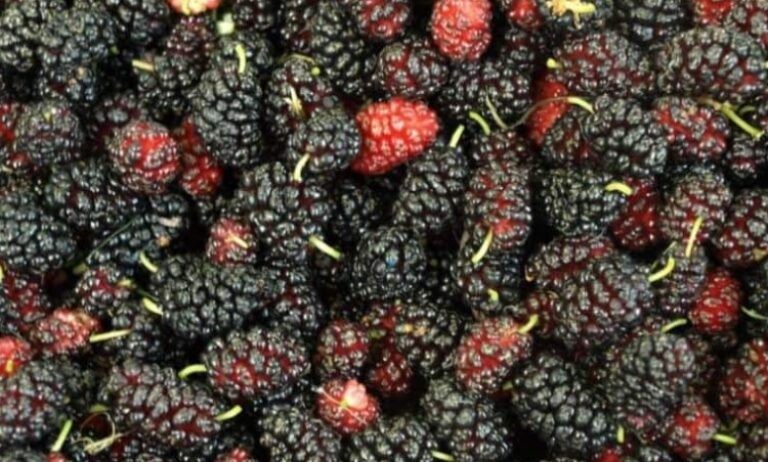
The bark is an excellent remedy against intestinal parasites.
It helps in treating the intestines and the stomach.
It also helps with food poisoning, whether from alcohol or mushrooms.
A powder is also made from the bark, which is used externally on wounds.
The fruits are mostly harvested from June to August, the leaves in spring.
An advantage of the mulberry is especially that the fruits can be consumed fresh, but also dried.
Mulberry has truly flexible uses and its consumption can only help our health.
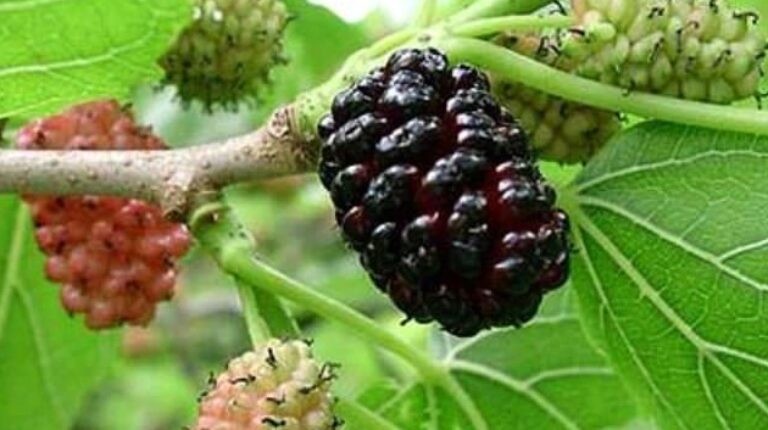
Leaf tea from black mulberry for diabetics
Life for diabetics is certainly not easy. They must watch their blood sugar levels every day.
For many problems associated with diabetes, tea from mulberry leaves can help.
About 50 grams of mulberry leaves are poured with half a liter of boiling water and left to steep for ten minutes.
Strain the tea and drink it during the day.
Syrup for throat inflammations and fever
We pour half a liter of water over a kilo of black mulberry berries and add two teaspoons of apple cider vinegar.
Let the prepared syrup stand for 24 hours.
The next day add a kilo of brown sugar or another natural sweetener to the mixture.
Cook the syrup to the desired thickness.
Pour the prepared syrup into sterilized bottles and drink it several times a day diluted with water.
But even with this miraculous plant one must bear in mind that too much of anything is harmful.
Therefore there is no need to overdo it with mulberry either. Excessive consumption can cause hallucinations or digestive problems.
And ultimately you could harm yourself more than help. Give your body a pinch of mulberry every day and your health will thank you.
My grandmother’s recipe for varicose veins

My grandmother swore by mulberry leaves in Alpa.
She always used this remedy externally – for varicose veins, sore and swollen legs.
How to make it? For its preparation you will need fresh mulberry leaves, Alpa and a glass bottle.
When making it follow a 1:5 ratio, that is, for 100 grams of leaves use 500 ml of spirit (brandy) or similar.
Thanks to this ratio you can easily prepare as much tincture as you need.
Thoroughly wash the mulberry leaves and cut them into smaller pieces. In the bottle, pour alcohol over them approximately 1 cm above the level of the leaves.
Close the container, put it in a dark place and let the mixture macerate for two weeks (my aunt used to put it in a cellar window where it was dark). After the time has passed, strain the tincture and store it in a dark container. This way you will have it on hand whenever you need it.