
Article content
The digestive tract contains more bacterial cells than the rest of our body. As a result, it is important that our intestines function well , absorb all necessary nutrients and also isolate any foods, chemicals or pathogens that may harm our body.
Stool analysis can reveal a lot about your health. Although it may sound disgusting, a look into the toilet bowl after a bowel movement can help you prevent serious diseases. You should watch for abnormal coloration and stool shape so you can detect illnesses that require urgent treatment in time. Here are 12 things you should pay attention to.
Stool shape
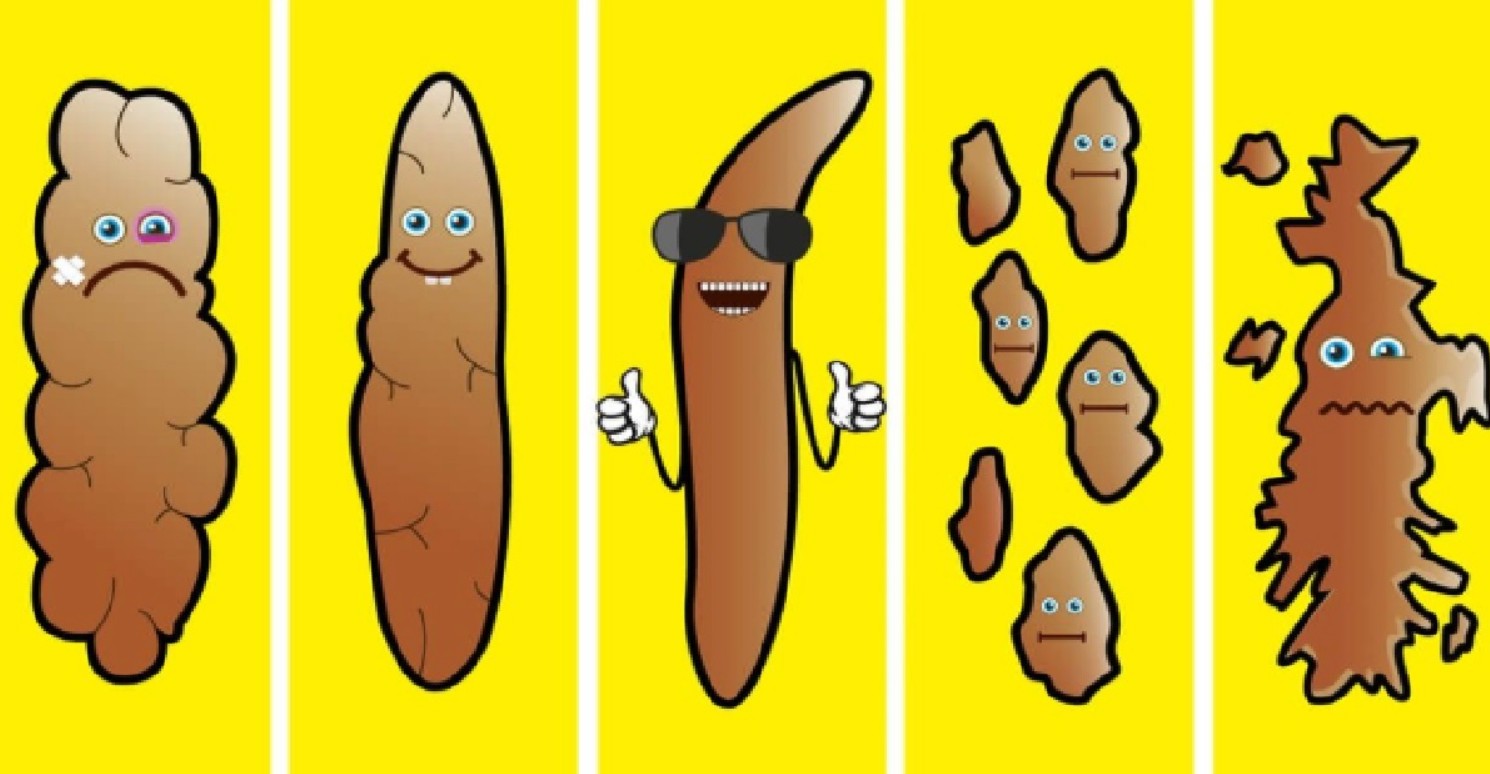
To distinguish stool types and determine which are normal, scientists from the Bristol Royal Infirmary created a guide that describes 7 kinds of feces and what they mean.
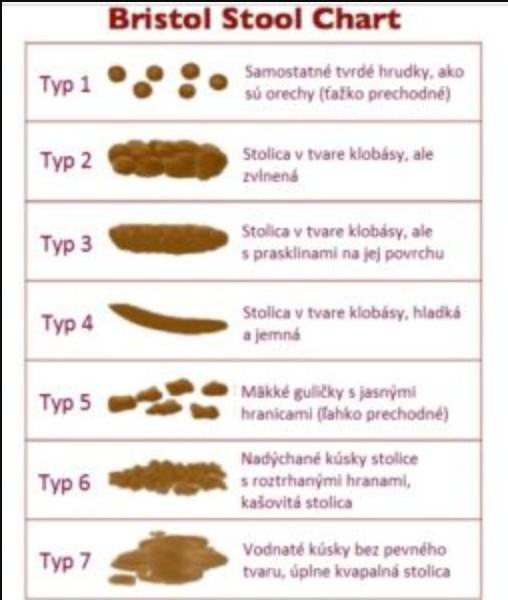
1. Small hard pieces resembling nuts or goat droppings
Meaning: Severe constipation
This type of stool means you don’t have enough fiber. Try consuming more fiber-rich products, such as whole grain products, legumes, or try Psyllium.
2. Lumpy sausage-shaped stool
Meaning: Constipation
This type of stool is also caused by a lack of fiber. Other causes of constipation may include long-term use of anti-diarrheal medications and lack of physical activity. Therefore you should eat more fruits and vegetables and exercise.
3. Cracked sausage-shaped stool
Meaning: Normal stool
Your digestion is fine.
4. Smooth soft sausage-shaped stool
Meaning: Ideal stool
Try to maintain a balanced diet and avoid stressful situations to keep such good digestion.
5. Soft lumps
Meaning: Mild diarrhea.
It can also be a symptom of irritable bowel syndrome. To improve, try consuming low-fiber foods such as bananas, crackers and potatoes.
6. Mushy lumps with torn edges
Meaning: Mild diarrhea.
You may have too much fiber in your diet. Drink more to prevent dehydration, eat boiled potatoes and bananas. You can try some anti-diarrheal medicines and probiotics. If the problem lasts longer than 2 days, consult a doctor.
7. Liquid without solid parts
Meaning: Severe diarrhea.
It can be a result of food poisoning, intolerance to certain food components (lactose, gluten, histamine), bacterial infection, or the use of certain medications. Drink plenty of water to combat dehydration and try anti-diarrheal medications or probiotics. If symptoms do not disappear after 2 days, or if you have pain, consult a doctor.
Stool color
You probably know that the normal stool color is brown. Minor changes can occur depending on the diet consumed, but a sudden change in color without an obvious cause can be a warning sign.
1. White
White or gray stool is a sign of a lack of bile. It may also indicate problems with the liver and gallbladder, where bile is produced and stored. Causes can vary, from blocked bile ducts and gallstones to liver cirrhosis.
White mucus on brown stool can be a sign of Crohn’s disease.
2. Green
Green stool color can be caused by eating vegetables rich in chlorophyll (such as spinach), green dye in drinks and iron supplements.
If consumed food is not the reason, it means the stool passed through the digestive tract too quickly and did not have time to acquire enough bile and bilirubin.
3. Yellow
Yellow stool can be a sign of blocked bile ducts and inadequate fat absorption. Another reason is a lack of enzymes produced by the pancreas, which can indicate chronic pancreatitis, celiac disease and cystic fibrosis.
However, you don’t need to panic right away. Yellow color can also mean that you ate too many carrots or drank a lot of yellow beverages.


