
Article content
This is a therapeutic system for complete restoration that has been talked about a lot recently, but it is by no means a new thing.
The main reason it works so well for restoring immunity is that it essentially removes all the obstacles that would normally prevent healing.
Let’s now take a closer look at what that thing is and how it actually works.
Fasting as an unsurpassable regenerator of immunity
Fasting is an ideal way to restore the immune system and treat many health problems, including chronic and autoimmune diseases.
The positive effects of fasting on the body have been known for a long time, but only now is science uncovering its action at the cellular level.
So how does fasting work?
During the first 24 to 48 hours of fasting, the body’s glycogen stores are depleted — that is, the sugar that serves as the usual fuel for cells.
As a result, several biochemical mechanisms are triggered in the body that try to save energy while still adequately supplying vital organs with fuel.
And it is precisely these energy-saving mechanisms that have several beneficial effects on the body.
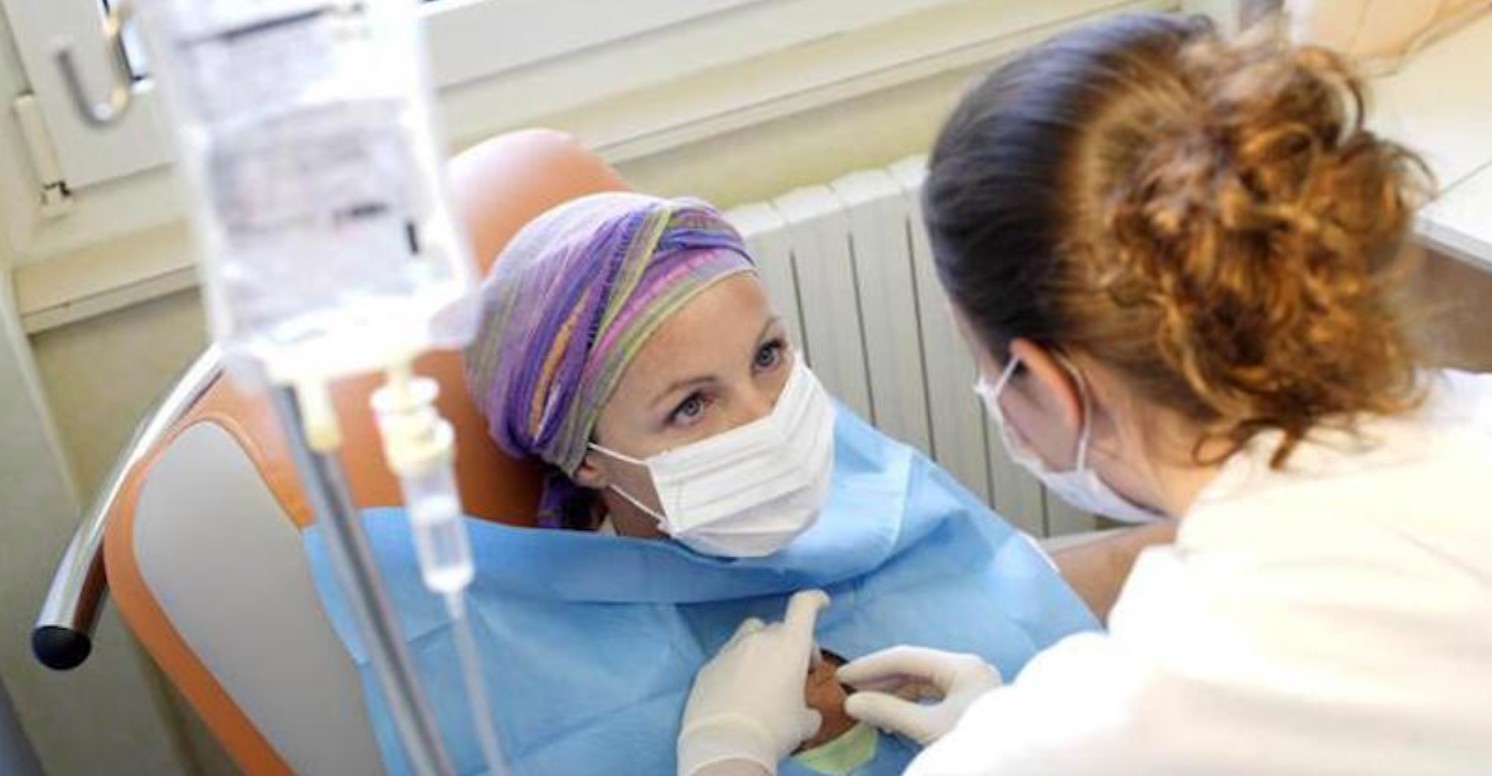
A recent study 1 claims that fasting supports the regenerative capacity of our immune system, which may be beneficial especially for cancer patients undergoing chemotherapy, but also for healthy people.
Previous research found that fasting could protect mice from the adverse side effects of chemotherapy, without affecting its effectiveness.
This has now been shown in a study of 10 patients as well. They fasted during chemotherapy and reported fewer and less intense adverse effects compared to patients who did not fast.
How fasting regenerated immune cells in mice
A group of scientists conducted a long series of experiments that demonstrated reduced DNA damage, mortality of white blood cells, bone marrow cells, and an overall reduction in mortality due to chemotherapy.
Most importantly, after 4 to 5 cycles of chemotherapy accompanied by fasting, white blood cell counts in the fasting group returned to normal, while in the control group these counts remained significantly below normal after chemotherapy.
In fact, when scientists monitored white blood cell counts during fasting without administering chemotherapy, they found even astonishing results — up to a sixfold increase in newly generated hematopoietic (HSG) cells.
HSC are cells produced by the bone marrow that later turn into all other blood cells, including the white blood cells important for immunity.
The scientists were truly surprised by such dramatic results.
Valter Longo, the lead author of the study, summarized it with the words:
“During fasting the body got rid of parts that were damaged or old. In other words, the ineffective parts.
If you remain with a heavily damaged body after chemotherapy or as a result of aging, cycles of fasting can literally generate you an entirely new immune system.”
Another fascinating thing they discovered was that the main factor in immune regeneration during fasting was insulin-like growth factor 1 (IGF-1).
Lower levels of this factor are generally associated with a lower risk of cancer and slowed aging. Mice that were given extra IGF-1 during the study showed a smaller increase in the aforementioned HSC cells.
The question then is: Does it work in humans?
When the study was published, the scientists set out to answer this question as well.
In the clinical study, patients were divided into two groups. The first fasted for 24 hours and the second for 72 hours before receiving a cycle of chemotherapy. And the preliminary results were similar to those observed in mice.
The group that fasted for 3 days before chemotherapy showed a marked improvement in immune cell counts and a shift toward a “younger” profile of these cells.
As it turns out, this fascinating method can significantly reduce the adverse side effects of chemotherapy.
Fasting kick-started the regeneration of the immune system.
This happened for two reasons. First, the body uses glucose to make fat. And second, there was a temporary reduction in the number of white blood cells, which initiated the production of new immune cells.
In other words:
When the body is starving, the system tries to conserve energy.
And one of the ways to save energy is to recycle old immune cells that are no longer needed by the body, especially those that are damaged.
Conclusion
The important lesson for us from the above is that occasional fasting has significant supportive effects on our immune system. This applies to both healthy and sick patients undergoing chemotherapy.
By creating an energy deficit through several days of fasting, we can kick-start the self-regenerative abilities of our immunity, whereby old immune cells are replaced by new ones.


