
Article content
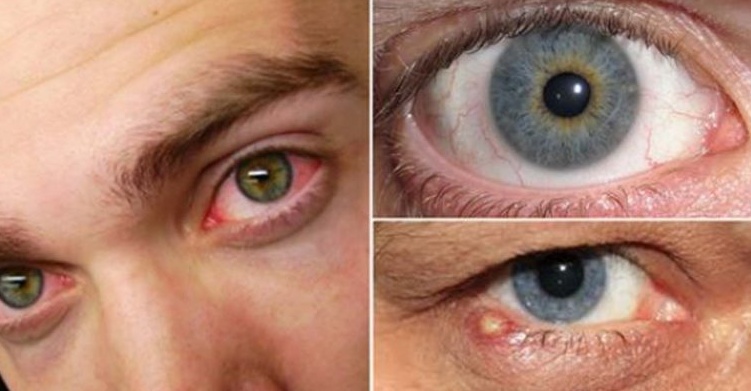
Everyone occasionally experiences eye discomfort. They can sting, ache, itch, become red, or be watery. They may be short-term symptoms of fatigue, but also signs of more serious illnesses and diseases.
What does the appearance of our eyes say about our health?
See what the eye reveals.
White spots on the cornea
For contact lens wearers, it is quite common and indicates a corneal infection.
White ring around the iris
It can appear with age and in older people is not a cause for concern. But if you’re far from retirement age, a white ring around the iris may be a sign of high levels of cholesterol and triglycerides, and therefore an increased risk of heart attack or stroke.
Broken blood vessels in the eyes
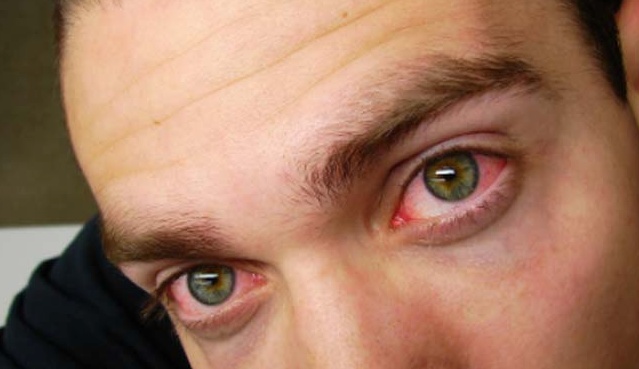
Causes such as too little sleep, prolonged work, or exposure to wind or sun are nothing to worry about and tired eyes will quickly return to good condition. However, if your eyes begin to redden for no particular reason, it may be evidence of increased intraocular pressure, such as glaucoma, high intracranial pressure, or diabetes.
Colorless spots in front of the eyes
Everyone sees them occasionally, but a sudden increase in the number of these spots should be alarming, because it could indicate retinal damage.
Dry eyes
Dry eye causes discomfort and itching, which in turn damages the delicate skin around the eye. Allergies can cause dry eye, but it can also be caused by a more serious condition called Sjögren’s syndrome, which is a rare immune system disorder.
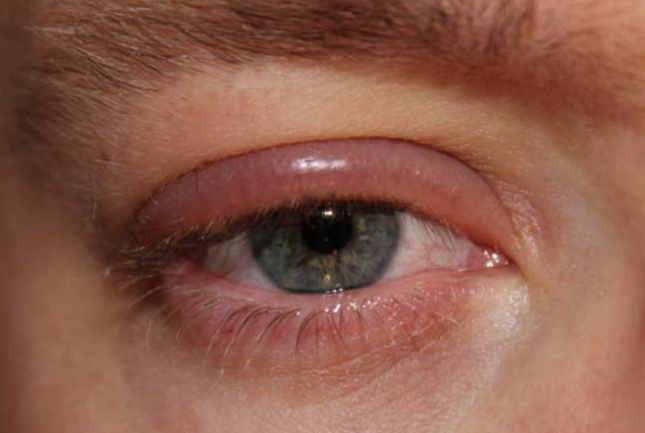
Swollen red eyes
It is usually the result of fatigue and lack of sleep. Very often
it occurs as a result of overuse of eye drops, which help tired and hard-to-sleep people. In the end, the drops harm them more than they help.
Yellow spots near the iris
This is a typical change for older people and for those who spend a lot of time in the sun. Yellow spots can be caused by UV radiation in the eyes.
Small dark spot on a background of flashing waves
These symptoms may indicate poor blood circulation in the brain. However, dots that appear and disappear usually indicate vitreous opacities. The most common cause is aging. People with metabolic disorders, such as diabetes and vascular disorders, are also at risk.
Spontaneous tearing
A phenomenon typical for people exposed to light from monitors or smartphones. The light they emit dries the eye, which tries to compensate for the lack of moisture and causes tearing.
Fading vision
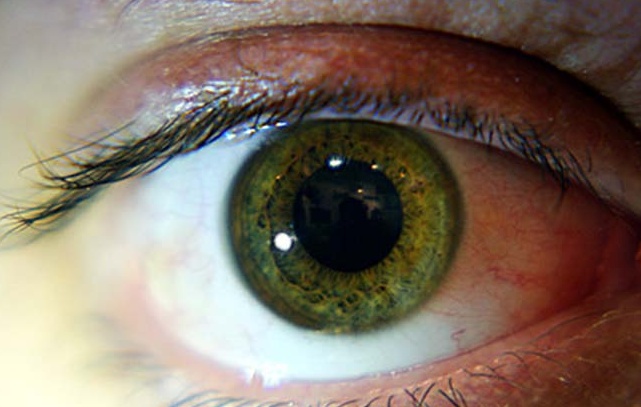
An image that disappears from certain areas of the visual field is a sign of an ocular migraine. It may be accompanied by headaches due to disturbances in cerebral circulation. Ocular migraine is harmless. There is no exact explanation for its occurrence.
Blurred vision
The most apparent explanation is nearsightedness. However, it is not the only one. It may also be a sign of diabetes. If in addition to blurred vision you notice blinding light and a halo around light sources, it could mean a cataract.
Yellowing of the eye (sclera)
Its cause is disease of the liver and bile ducts.
If you notice any of these symptoms, please inform your doctor. Our eyes send us signals fairly early that something is wrong with the body.


