Article content
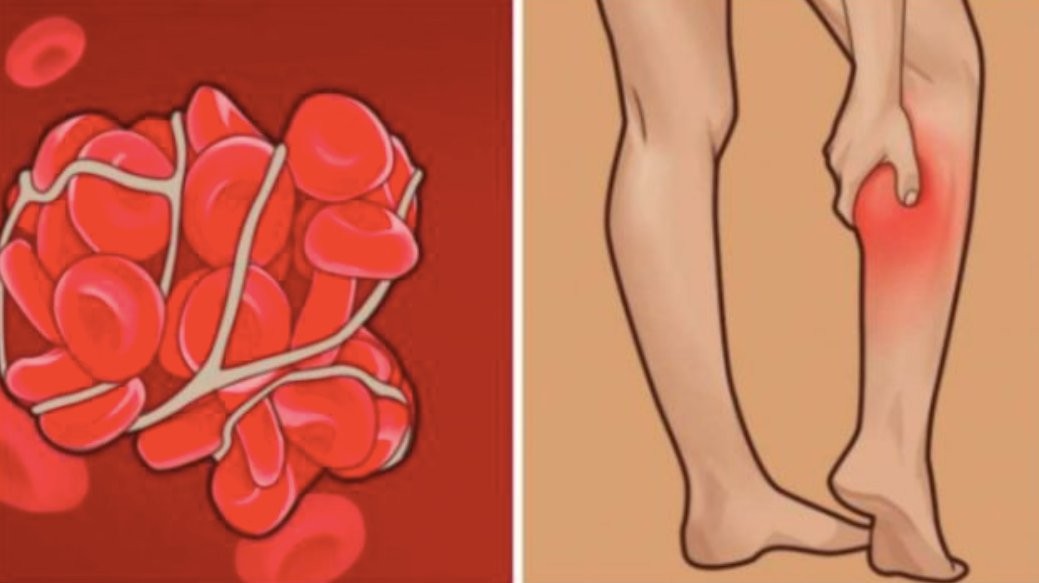
Thrombosis is a health problem that affects a large percentage of people. Although it is a treatable condition, there are only a limited number of treatment methods. A major risk is that the symptoms of this health problem are fairly inconspicuous and people often ignore them until the disease reaches an advanced stage. This condition can also be fatal.
Thrombosis
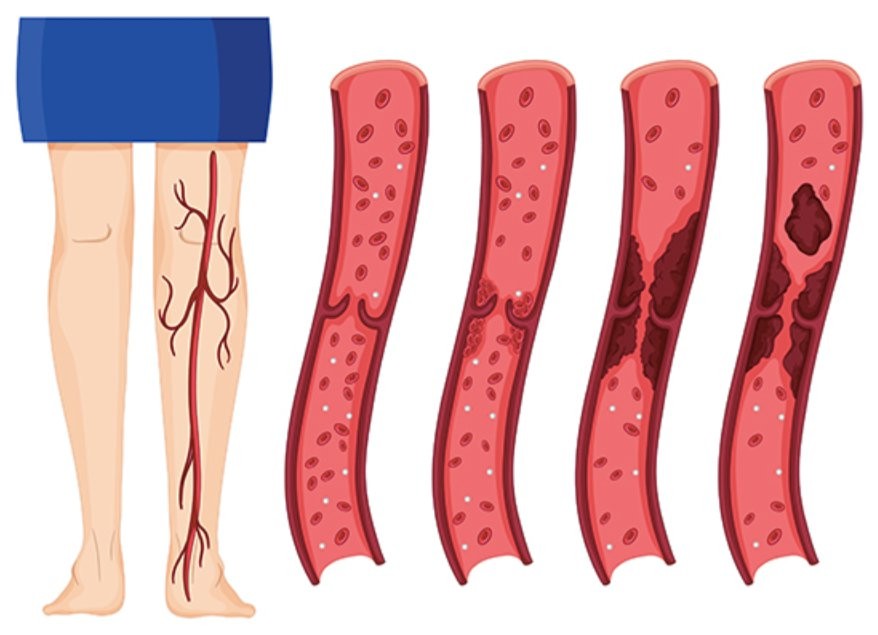
This health problem originates in the veins and arteries of our body. It is a kind of defense mechanism of our body against a damaged vein. A blood clot forms, which in many cases travels to a place it shouldn’t and causes the person serious health complications or, in certain cases, death.
A major problem is the fact that many people do not know the exact symptoms of this health problem and unknowingly ignore them. The risk of the disease is then discovered too late and treatment becomes more complicated. At the same time, many people are not aware of everything that causes blood clots that can threaten their lives.
Causes
- Overweight
- Blood clotting disorder
- Cancer or its treatment
- Muscle injuries and bone fractures
- Surgery
- Long periods of sitting
- Hormone therapy and contraception
- Pregnancy and the six weeks after childbirth
- Heart disease
Symptoms of thrombosis
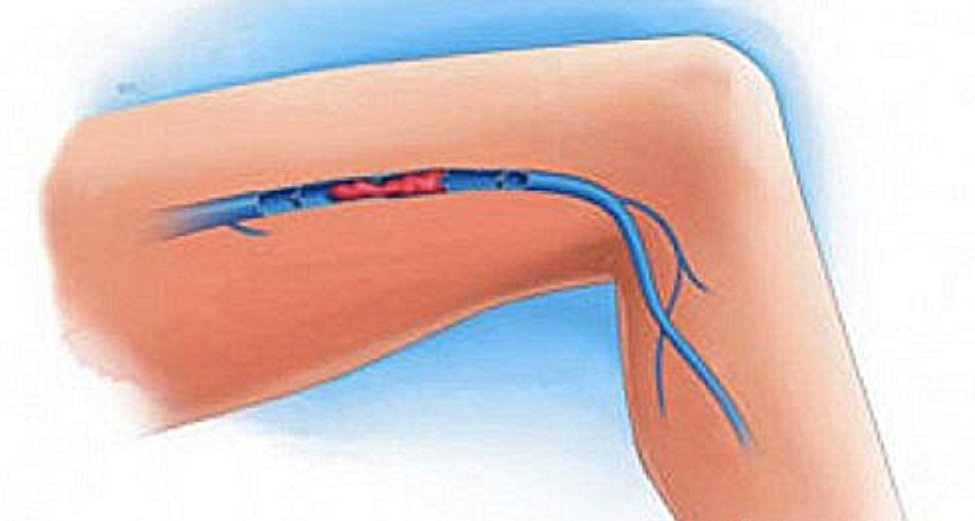
Thrombosis itself occurs deep in the veins and the clot in many cases reaches the lungs. However, the clot can also travel to other parts of the body, such as the brain. The consequences can be fatal.
Venous thrombosis
A blood clot forms deep in the veins of the limbs. These areas are recognizable because the tissue around the clot swells and the spot is tender to the touch. The skin becomes reddened or bluish. This area is also often warmer to the touch than the surrounding skin.
Pulmonary embolism
Symptoms of a blood clot in the lungs include severe shortness of breath, increasing chest pain, a rising heartbeat and an unpleasant cough that may be accompanied by droplets of blood.
Diagnosis of blood clots
To detect blood clots, the best and easiest way is ultrasound or magnetic resonance imaging.
Treatment
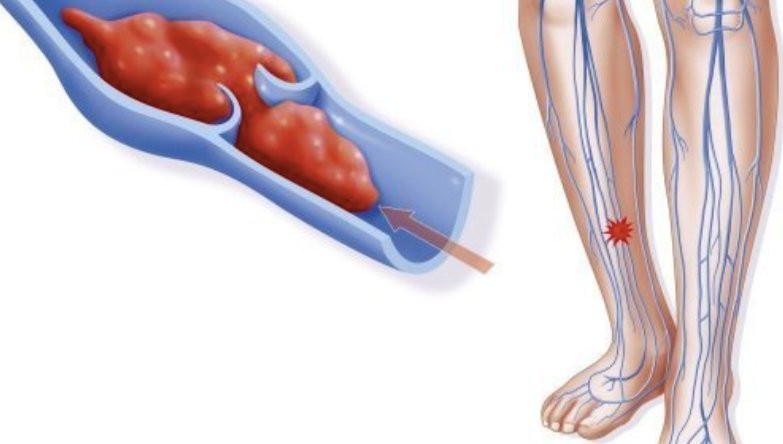
The doctor must determine where the blood clot formed and it may be necessary to perform a surgical procedure at a sufficient distance from the site of origin.
Prevention
Blood clots usually arise as a result of various blood disorders, smoking, high blood pressure, excessive weight, high cholesterol or diabetes. Therefore, you should consult a doctor about prevention.