Article content
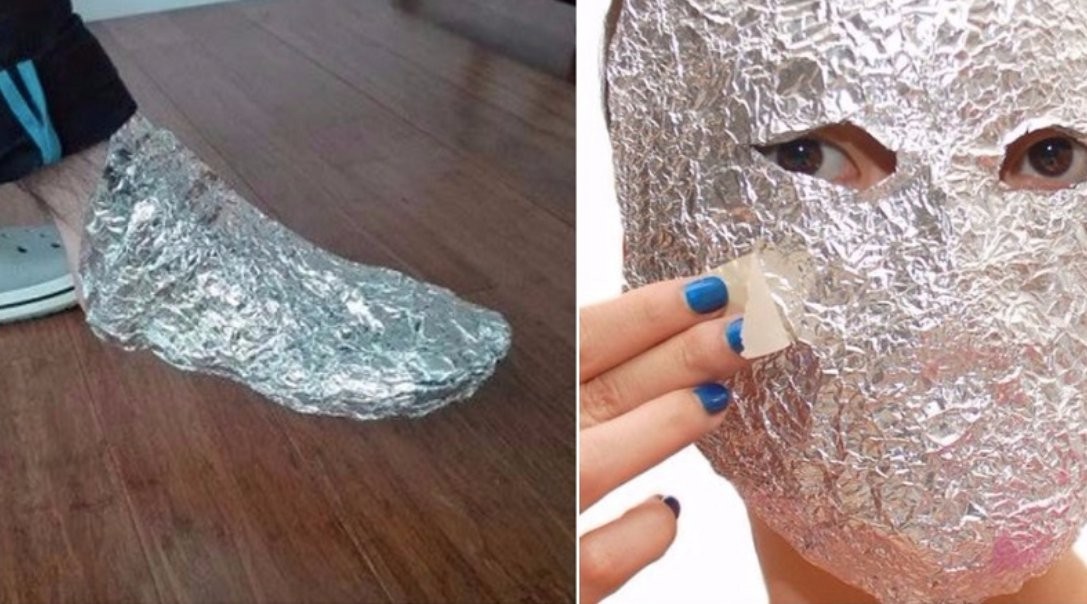
You can find a larger or smaller piece of aluminum foil in almost every kitchen. We use it in the household in dozens of ways: from cooking and storing food to sharpening scissors and treating illnesses.
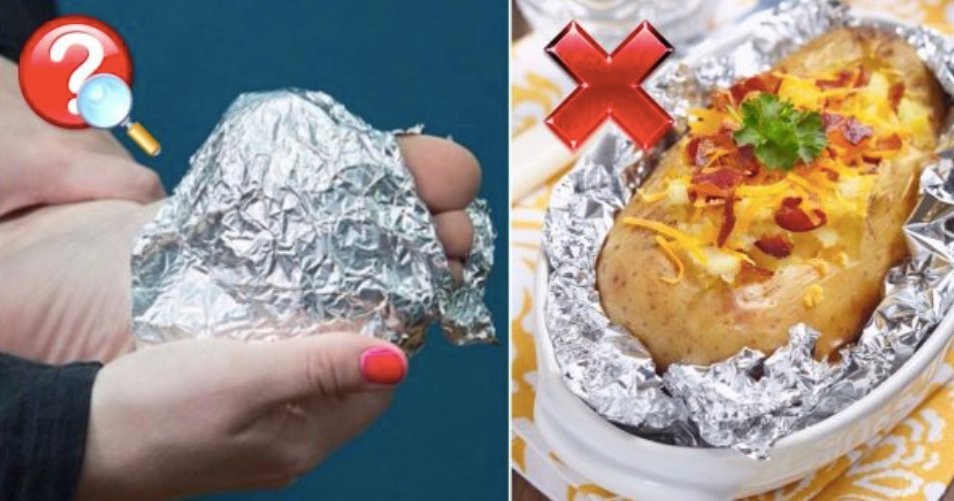
They say that if you cook food in foil, it will be juicy, tender and soft, while the dish itself will retain all its beneficial properties. So let’s examine the term “beneficial properties” in more detail.
Aluminum foil
A thin metal foil that contains 92-99% pure aluminum. In documents of the World Health Organization, aluminum is classified as a substance that does not pose a danger.
Although it is not carcinogenic like mercury, cadmium and lead, it can accumulate in the body, causing a number of serious diseases. Debates concerning the safety of aluminum have continued for decades, but recent studies are forcing scientists to raise the alarm.
It appears that even small amounts of aluminum can cross the blood–brain barrier and accumulate in the tissues of the brain, bones and internal organs, which is the cause of many diseases. Most often this leads to oncological diseases. In most women with malignant breast tumors, deposits of this metal are found in the lymph nodes near the breast.
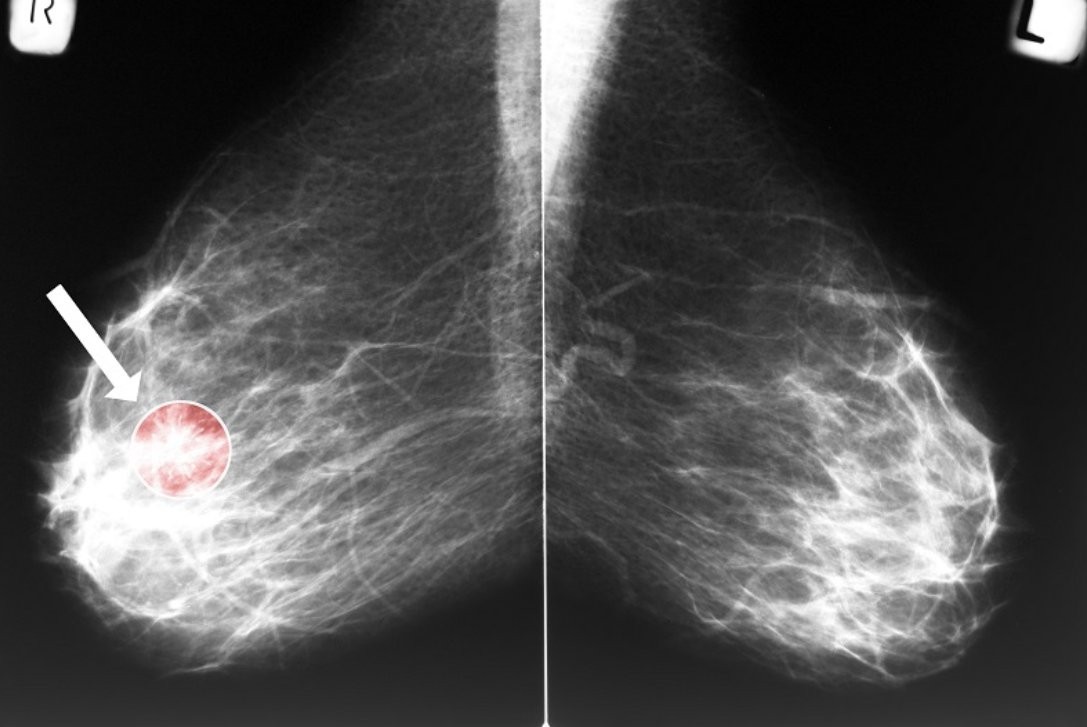
It has been found that aluminum adversely affects metabolism, the function of the nervous system, reproduction and cell growth. In some studies, aluminum is associated with brain damage characteristic of Alzheimer’s disease (high levels of aluminum have been found in patients’ hair).
Disposable aluminum tableware was produced in large quantities because its costs on an industrial scale were not high. When scientists proved the negative effects of aluminum on the human body, many countries around the world refused to manufacture such tableware. Unfortunately, in some places we still encounter aluminum cutlery, bowls or pots.

Experts who test and certify kitchenware, including aluminum, recommend using it only to boil water – all other substances react actively in aluminum cookware at high temperatures.
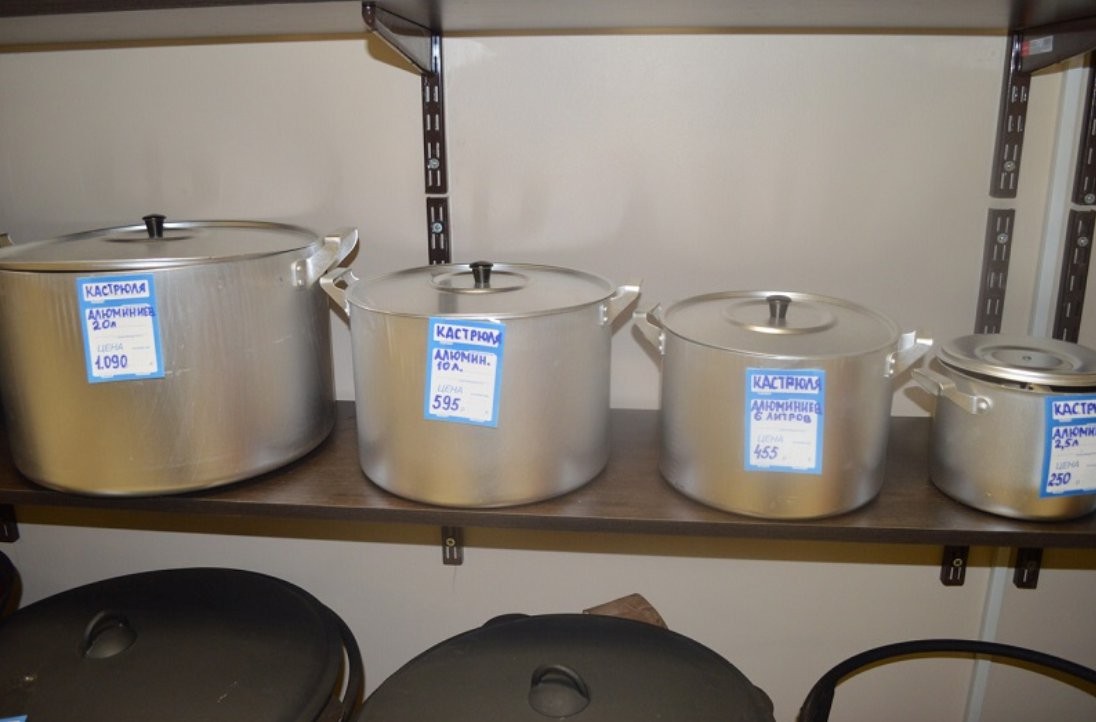
The problem of using aluminum cookware is partly solved by special processing. Manufacturers treat aluminum in such a way that no chemical reactions occur when it comes into contact with food. For this purpose, all cookware, from spoons to pans, is sprayed to prevent possible oxidation.
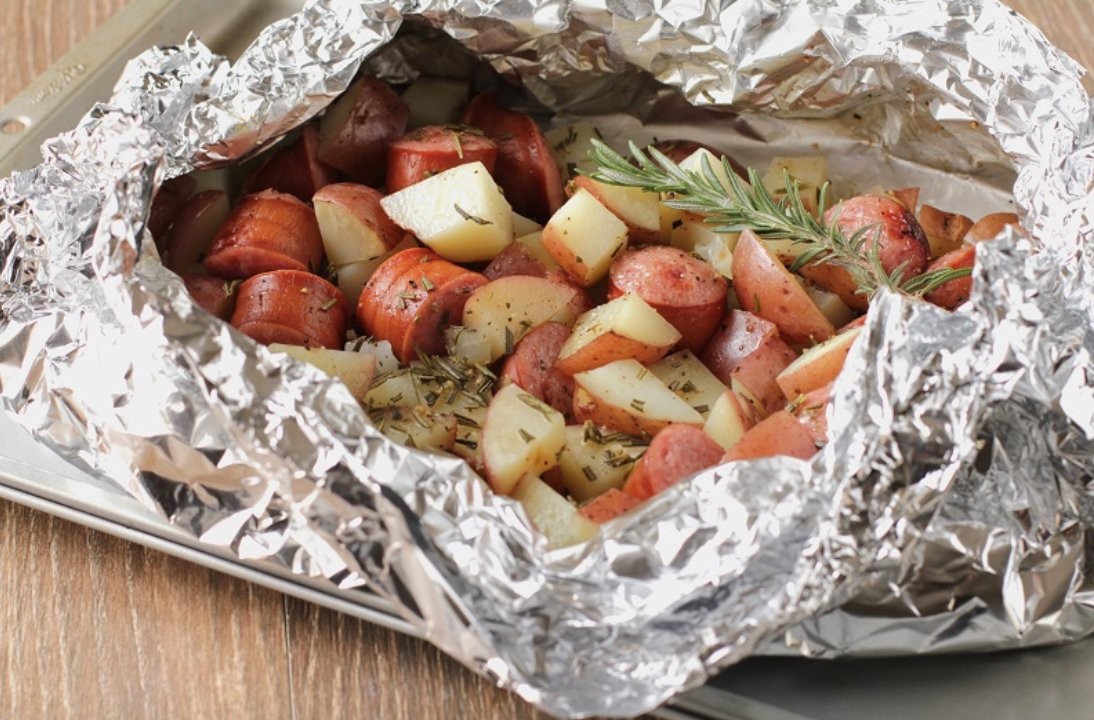
Preparing food in aluminum foil
Aluminum foil is disposable and we cannot apply a protective coating to it before use. Food cooked in foil may contain up to six times the daily intake set by the World Health Organization.

The consequences are especially negative when foil comes into contact with hot foods – baking.
In this case it is better to use baking paper. It may not be the most convenient solution, but it is much safer. If you cannot give up aluminum foil, it is better to wrap it in baking paper before use.
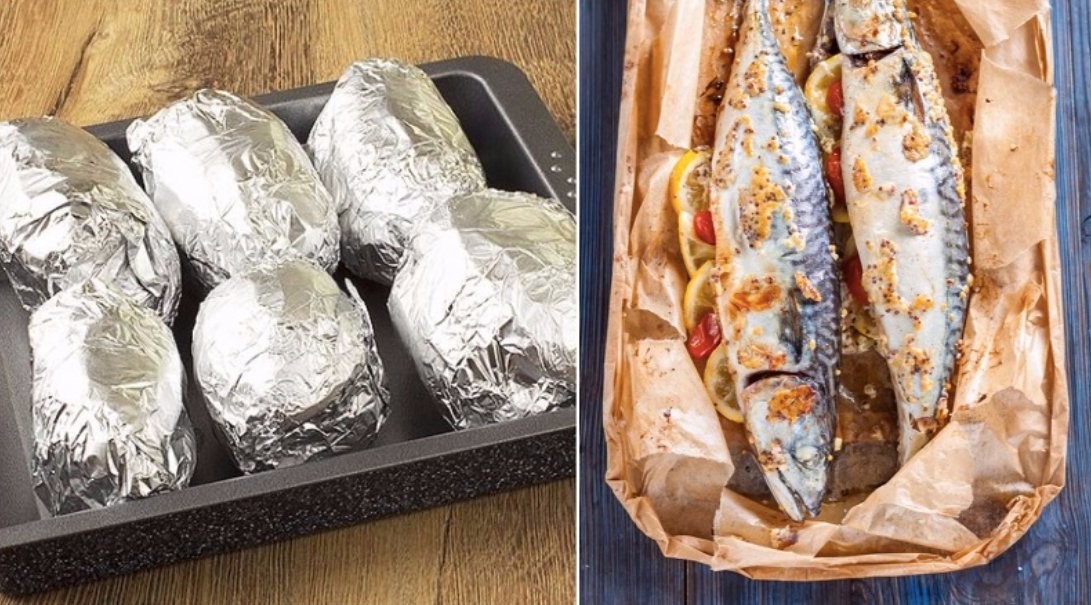
Of course, it is impossible to completely remove aluminum from the diet, but you can reduce the impact of this substance to a minimum.
Therefore, you should follow a few rules:
- Do not buy products in aluminum packaging (cans, ready meals in aluminum containers, dairy products and other dishes wrapped with aluminum foil on the inside.
- Do not use kitchenware and cutlery made of aluminum.
- And most importantly – do not cook in it and do not use it to store food.