Article content
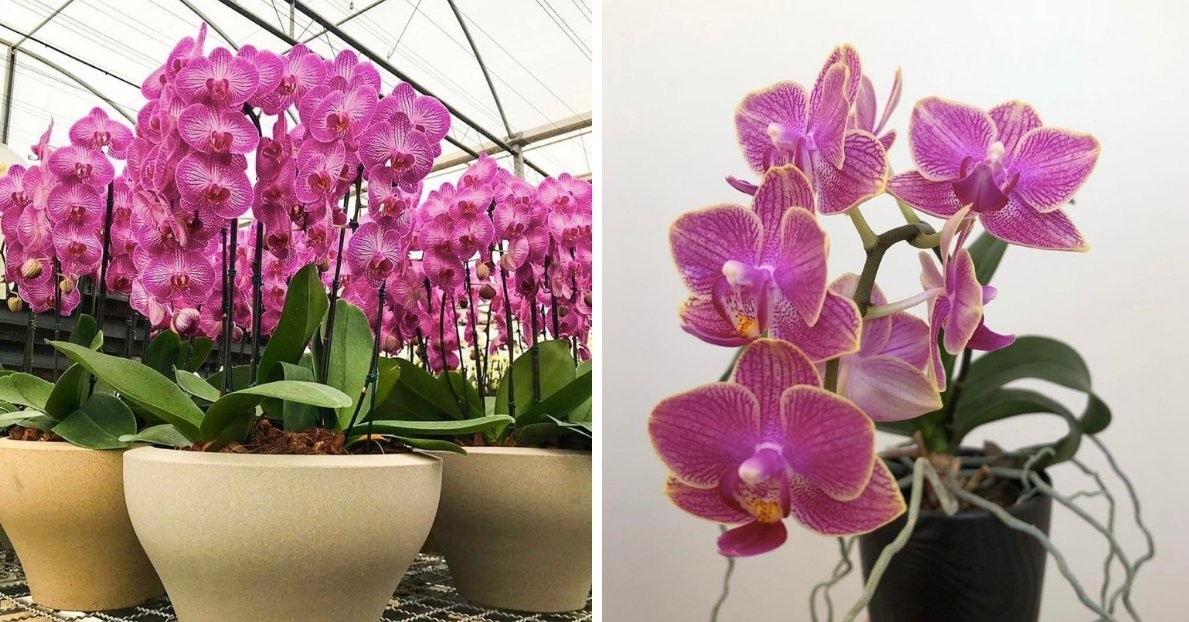
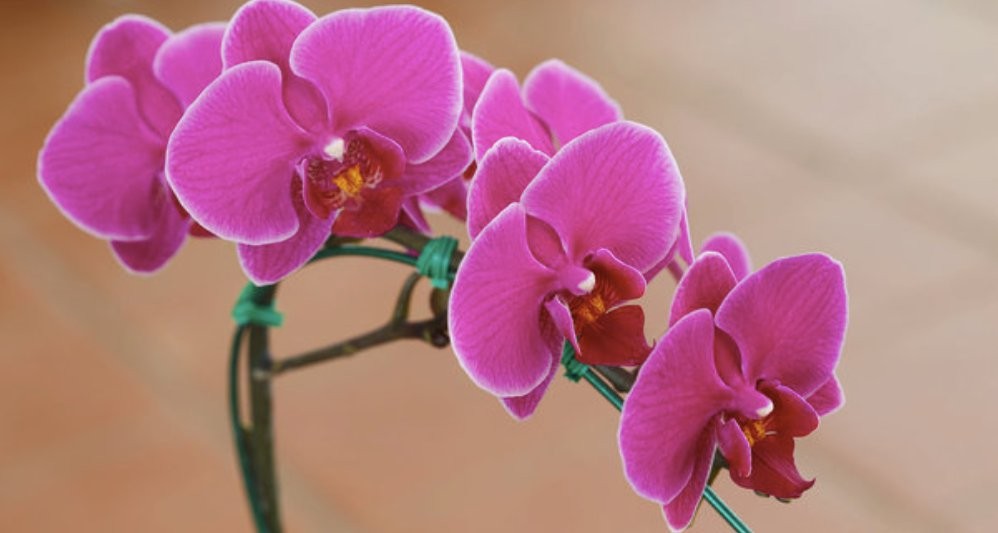
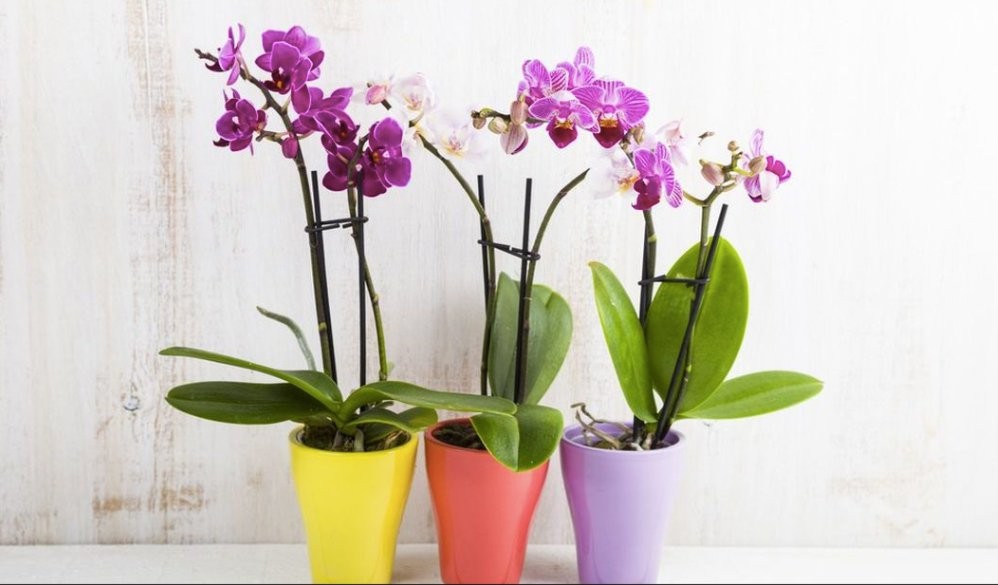
The orchid is a very popular flower among gardeners. It is beautiful when it blooms and therefore often becomes the perfect birthday gift. While it is blooming it is lovely, but how do you achieve a beautiful plant when it refuses to bloom or grow?
Orchid
We know two methods that could help you make your orchid bloom throughout the year. However, it is important to follow the necessary steps and not to try these experiments on young plants or on those that have already finished flowering.
Method No. 1
The first method focuses on temperature. The orchid is known for not tolerating sudden temperature changes well. The ideal condition for it is when the night temperature is at most 6 degrees lower than the room temperature. However, if you expose it to a slight temperature shock by stimulating temperature changes, it will produce its buds.
We recommend trying this method in spring, when the night temperature is stably around 16 – 18 ° C. Take your plant outside to the balcony and leave it there overnight and during the day as well. Sun rays will warm its leaves and it will cool down at night. This way they will get enough carbon dioxide, which will help the roots, the leaves and the buds. Practice this for 2 weeks.
It is also possible to try it in summer or autumn. However, in summer the difference between day and night temperatures is not large and in autumn the sun’s intensity keeps getting weaker. Therefore we recommend the spring period. We remind you, however, that if your care during the year was not ideal, it may not turn out as you expect.
Method No. 2
The second method focuses on dryness. This method can be practically applied to any orchid and in any season, in any weather and under less favorable light conditions. The watering interval runs within a span of one to two months.
It is important to change the watering interval. If, for example, you have been watering the orchid every four days so far, then now increase it to every eight days. When the roots and the potting medium dry well, wait another four days or more and only then water the plant.
During this method do not spray the roots or leaves of the plant with water. Also exclude fertilizers or a hot shower. When the expected bud appears, change the watering regime back to normal. If the stem appears in autumn or winter, it is important that it has enough light. Direct the light to the top of the plant so the rest does not overheat unnecessarily. Also avoid fertilizing.
Conclusion
If you decide on one method or the other, you don’t have to worry about harming your plant. Such processes occur in nature as well and if your orchid is healthy, these methods cannot harm it. Moreover, if you try to understand the needs of your plant, it will reward you with new buds.