Article content
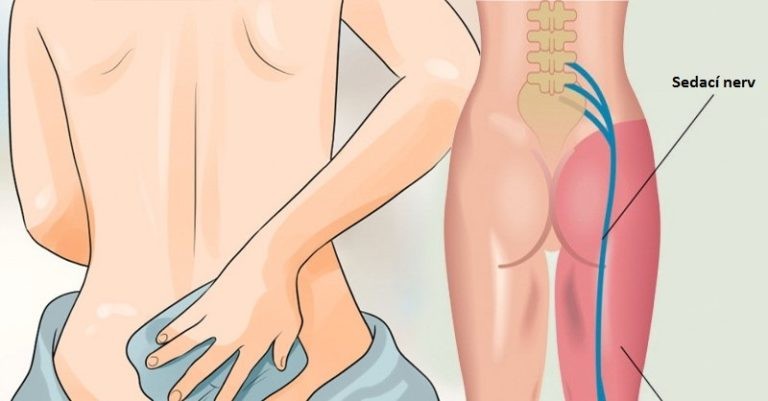
The sciatic nerve is one of the largest in the body, it begins in the lower part of the spine, extends into the buttock and ends as far as the sole of the foot. Its position is responsible for the strength, sensitivity and movements of the legs.
Sciatica (inflammation of the sciatic nerve) is a common health problem. It manifests as intense pain, tingling, weakness and numbness of the lower limbs.
As a result of these symptoms it is often mistakenly considered to be leg cramps or lower back pain.
Sometimes it leads to numbness and mild pain, but sometimes it causes an almost unbearable, sharp, burning sensation on one side of the body.
The resulting discomfort and pain usually force people to stay in bed. Patients then rely on taking some over-the-counter medications, such as ibuprofen.
Research shows that up to 40% of the world’s population experience this problem at some point in their lives.
Today we will reveal 8 natural ways to relieve sciatica pain and heal the inflammation.
Natural ways to relieve sciatica pain
1. Acupuncture
Acupuncture is an alternative treatment that involves inserting fine needles into specific points with the aim of helping to improve nerve function and increase the flow of energy.
You will feel pain relief after the first treatment. Several such sessions, however, can work wonders.
Nowadays acupuncture is very popular because it has been shown to be effective in treating migraines, stress, smoking cessation and also in stimulating lymph flow.
2. Chiropractic adjustment
Research has shown that chiropractic adjustments (spinal realignment) can be effective in treating this problem.
Manipulation of the spine reduces pain, promotes healing, suppresses inflammation, restores mobility and increases the function of muscles and nerves.
3. Ice pack
An ice pack can immediately relieve pain from sciatica.
As an alternative you can use a pack of frozen peas wrapped in a towel and place it on the painful area.
Apply it every 3 hours and leave it on for 20 minutes. This will relieve your pain.
4. Alternating temperatures
Ice packs will provide immediate relief, but they do not work deeply. The inflammation of the sciatic nerve is located deep in the body.
Therefore you should use a hot pack immediately after the ice pack or try a hot bath right away. Alternating temperatures stimulate blood circulation and lymph flow. This heals the inflammation and speeds up recovery.
To increase the effects of the treatment, you can add some essential oils, herbs or Epsom salt to the bath.
5. Gentle stretching (yoga)
Even though every movement may be painful for you, you must be active to speed up healing.
For this reason you can perform yoga stretches or gentle back stretching. This way you will improve mobility, strengthen back muscles and increase blood flow.
6. Massage
Trigger point therapy or deeper massage are very effective in treating pain, muscle cramps and numbness in the toes and feet.
7. Herbs and oils
Numerous natural herbs will provide beneficial effects because they reduce inflammation and heal pain. These herbs are used in the form of oils, capsules or healing ointments.
In addition, you can use them as tinctures, elixirs, essential oils, or as tea from fresh or dried herbs.
Before you decide to use herbs, consult your doctor to check whether they do not affect the effects of any medications you are taking.
The following herbs are most effective in reducing inflammation, pain and also support nerve health:
- turmeric (mix it with pepper to increase its healing effects)
- Roman chamomile
- devil’s claw
- oatstraw
- mullein root
- clary sage
- lavender
- licorice
- St. John’s wort
- Scutellaria lateriflora
- Japanese cornel
- linden blossoms
- kratom (Mitragyna speciosa)
- mountain arnica
<li:white willow bark
8. Sleep
Make sure you get enough sleep to relax your muscles and body, strengthen the brain and restore the health of nerve cells.
Conclusion
Although science has not yet confirmed these home remedies for sciatica, many people have experienced significant pain relief thanks to them and have been able to control cramps, attacks, pain and numbness.
If your symptoms persist for several weeks, you should visit your doctor, because you may be suffering from another problem that is pressing on the nerves or causing compression, such as herniated or displaced discs.
The solution in such a case would be surgery for you.