Article content
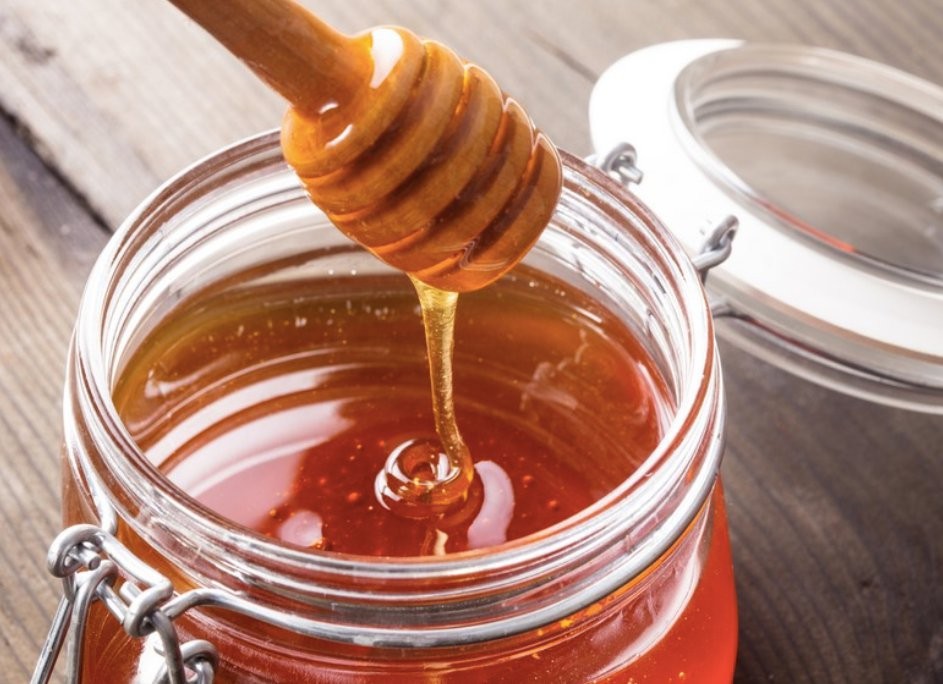
Honey is an amazing product endowed with an amazing number of useful properties and is used for the prevention and treatment of many illnesses. One teaspoon a day is enough to get the maximum benefit from this product. However, there is one important condition – the honey should be natural and of good quality.
Quality honey
Thanks to the following advice from an experienced beekeeper you will learn how to choose quality honey that will serve not only your health but also your taste buds.
The safest way is to buy honey from proven beekeepers whom you know and trust. But not everyone is like that. In any case, don’t despair! There are several tips that can help you determine whether the seller is sweet-talking you or telling the truth.
You are at the market choosing honey – these are the things you should immediately pay your attention to …
Price
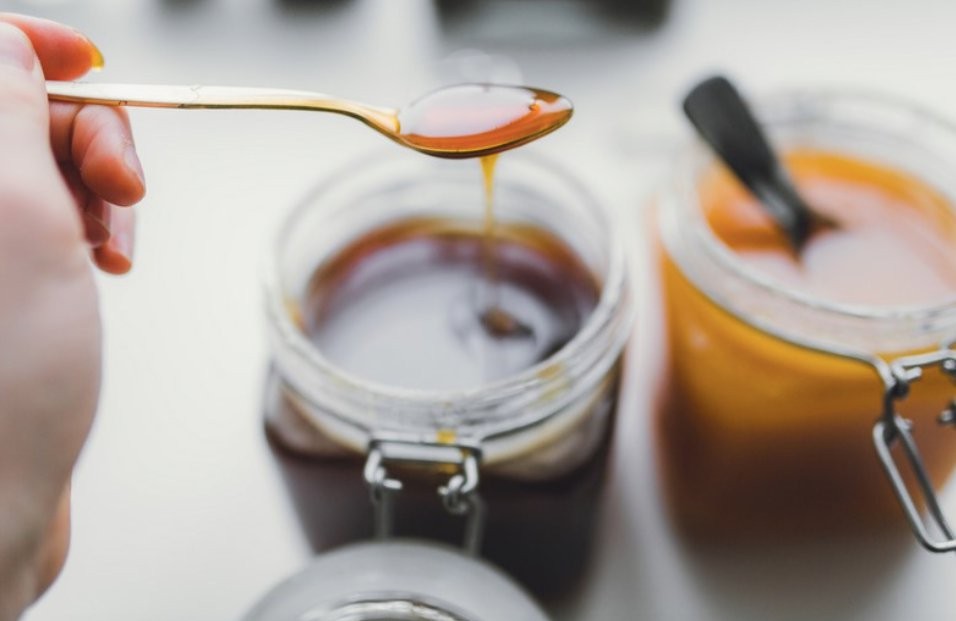
If the price of honey is too low, you should at least pause to consider it. Think: would a beekeeper sell his honey for a few cents after investing a lot of energy and time into it? We don’t think so. Most likely it is low-quality honey and a lot of money was saved in its production.
Packaging
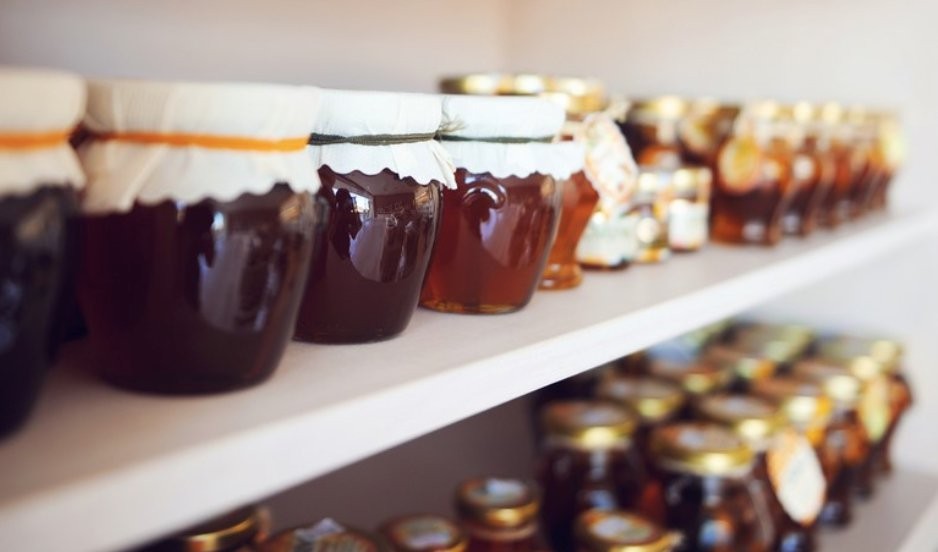
Remember that honey cannot be stored in a plastic container for a long time because it will start to corrode it and become poisonous. Therefore it is better to buy honey in glass, or even better, in clay pots.
Consistency
You passed by honey with a low price and found a beekeeper who inspires your trust. But it’s time to test it – first, pay attention to the consistency. It’s important to consider when you are buying the honey. Honey keeps a liquid consistency for only a few months, then it begins to thicken. If you buy honey, say in winter, you should be wary of its liquid consistency. Although some varieties remain liquid even during this period, you should clarify that.
Color
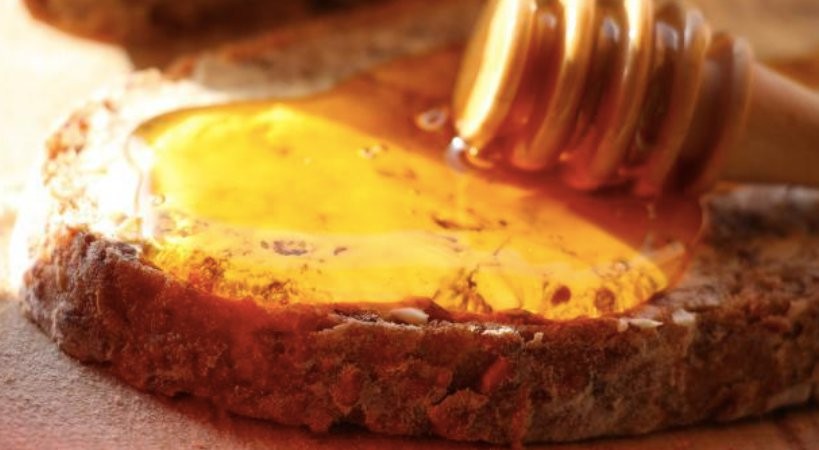
Honey should not be too light nor too dark. If it has a lot of white color, it means the honey was diluted with sugar syrup. Too dark a color and a caramel flavor indicate that the product was heated and melted. This is how they sometimes manage to sell last year’s honey.
Taste
You have the right to taste samples of the offered honeys. Real honey will warm your throat and dissolve in your mouth. A fake will leave a caramel taste, and you may even feel small grains in it.
Properties of honey
The beekeeper has one more simple way to check the quality of honey for us: put a drop of honey on your hand and turn it over. Real honey will run and stick to your hand. And if you rub it into the skin, it will not leave sticky traces – it will be absorbed like a cream. Only honey that has had sugar added leaves sticky traces.
One more test
When buying honey in any container you can check its quality quite simply – turn it upside down. The empty space should split into two bubbles: one large and one small.
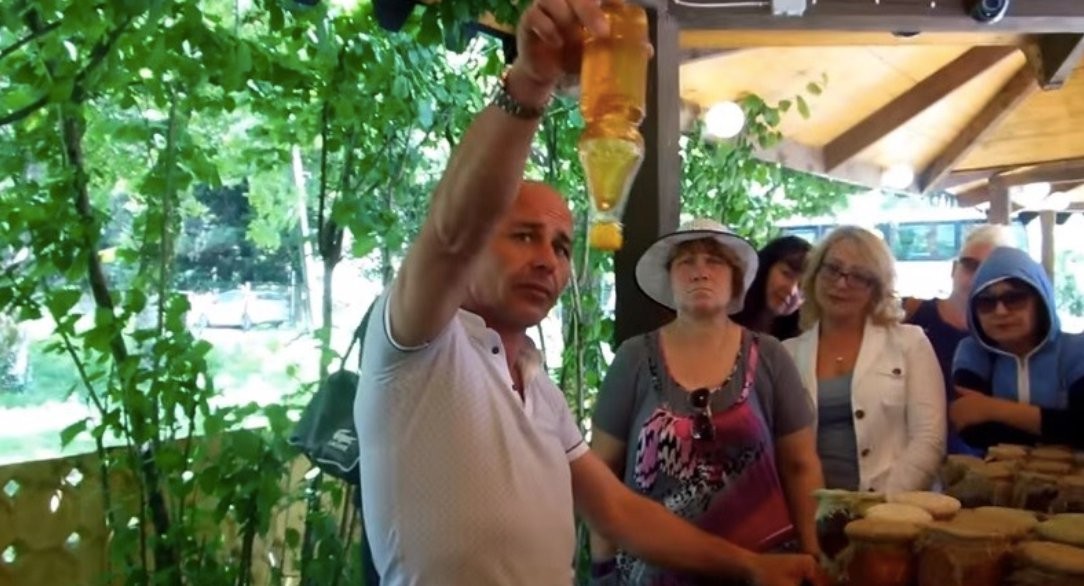
Types of honey
Some beekeepers or second-hand sellers are fantastic because they come to the market with new varieties of honey. A large assortment attracts an inexperienced buyer. Such abundance should, however, alert you. Remember that there are no such types of honey: from rose hips, poppy, corn, lupa or hazel. These plants do not contain any nectar. So how they could appear in honey is a question for speculators. There is no honey from royal jelly. To make such honey there would have to be an incredibly skilled beekeeper, almost a magician. Most likely behind the flashy name is just an overpriced price.
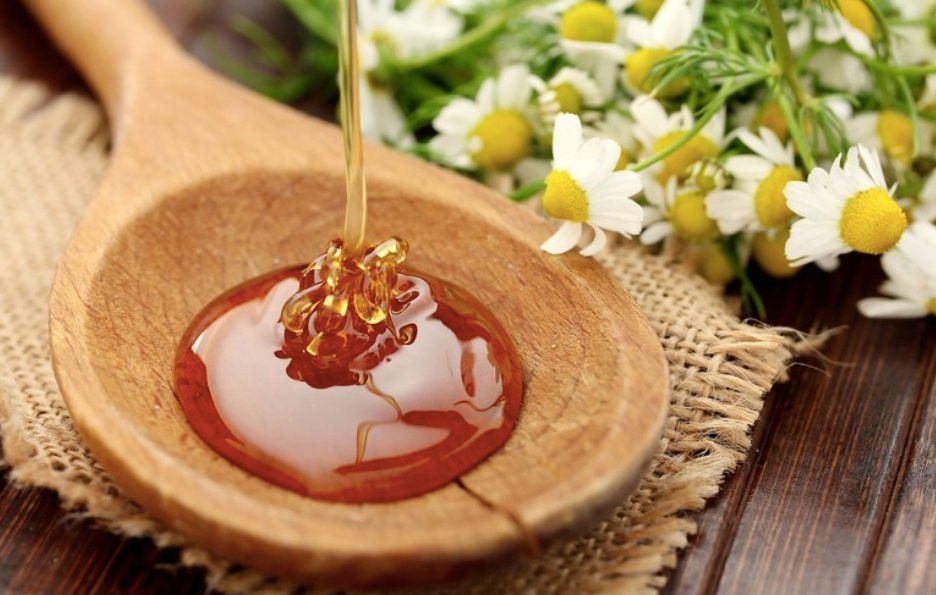
By the way, there are no varieties like lily of the valley or chamomile, that’s just another trick. You should also be wary of a large selection of floral varieties.
And remember that a conscientious beekeeper will not want to cheat you. He will explain how to choose good honey and how to store it, because he does not want the fruits of his labor to be damaged in any way. Choose the best!