Article content
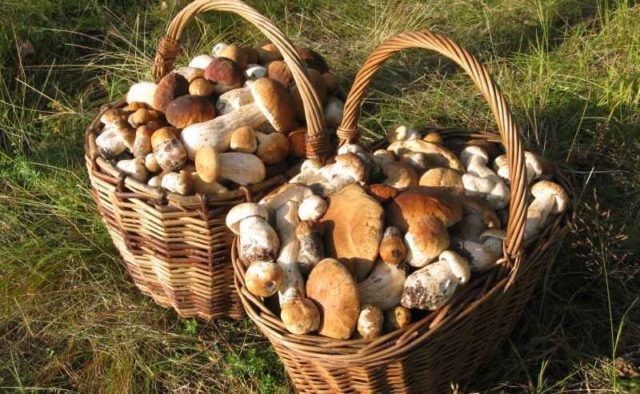
Autumn is traditionally associated with mushroom picking. Do you bring home full baskets of this delicacy? Then the catch needs to be properly processed and preserved – whether by drying, freezing, or pickling. Do you know how to do it correctly?
Want to make mushroom supplies for the whole year?
With us it will be easy. Think about your plans already in the forest: to make processing the fruiting bodies as simple as possible, clean them thoroughly while picking. Brush off needles from the caps, remove or cut off dirt from the stems. If you don’t, it will stick to other, perhaps wetter pieces and cleaning at home will be much more difficult.
Avoid mold
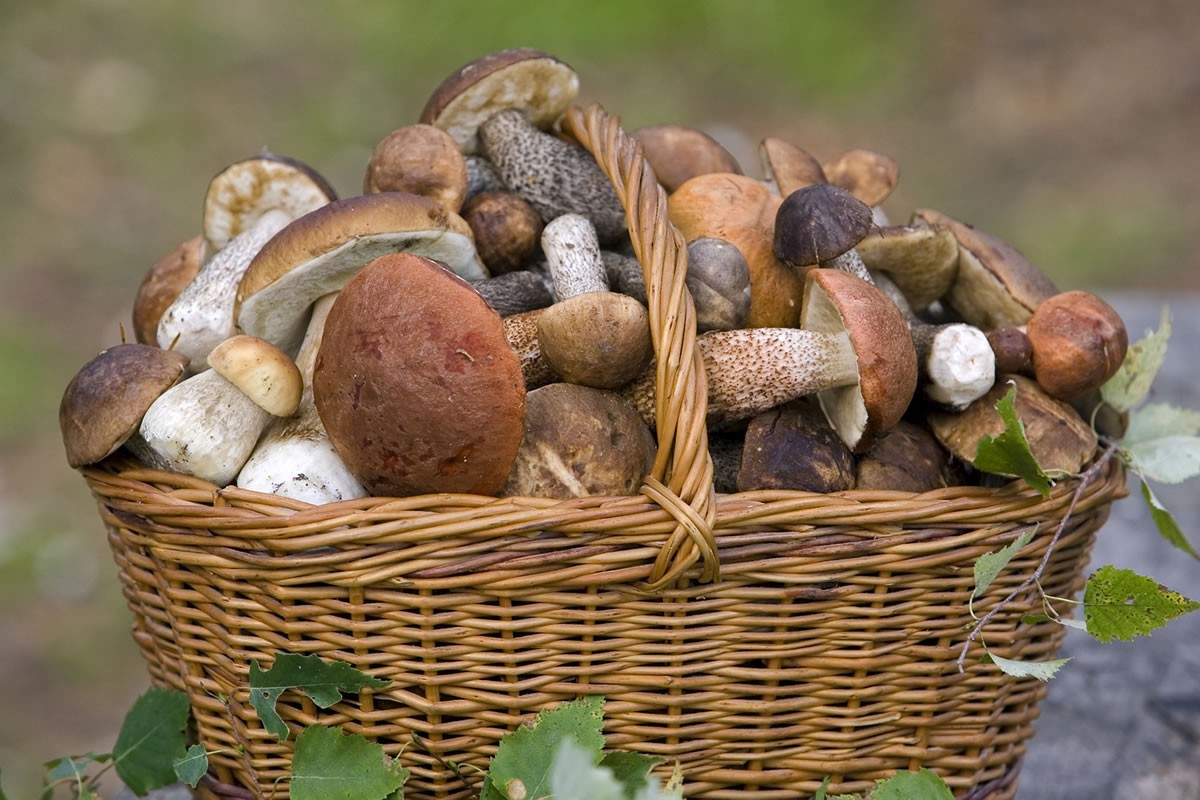
Another important step is to preserve only healthy fruiting bodies without mold, worms, or other infestations. Cutting off a moldy piece will not get rid of the mold, so throw away mushrooms that are infested like this right away. Never dry mushrooms that are too wet, such as babky. These are often infected with mold that may not even be visible yet and can then infect surrounding slices.
How to dry mushrooms properly
The most common way to preserve mushrooms for the winter is drying, and it has its rules. The traditional procedure starts by slicing them into pieces about three to four millimetres thick (always lengthwise, ideally cap and stem together). You can spread them on paper or a sieve or thread them on a string and hang them.
In properly dried mushrooms, of the original almost 90 percent of water only 14 percent remains. Properly dried mushrooms crunch in your hands and you can more or less easily shake them off paper. Store them in a well-sealing container that keeps out both moisture and pantry moths. Well-stored dried mushrooms can last for several years.
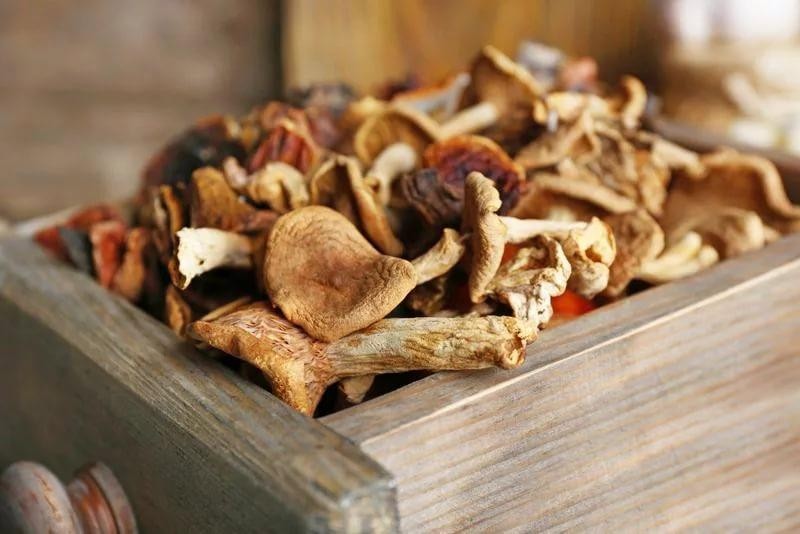
The only ones really unsuitable for drying are the already mentioned babky and also ryzce, čirůvky and václavky (these are poisonous when raw and dried mushrooms are usually not treated long enough to “boil out” the poison).
The second option, increasingly popular today, is drying in a dehydrator
There the mushrooms dry much faster and more evenly and only about five percent of water remains in them, which further reduces the likelihood of molding. The disadvantage is that the dehydrator has limited capacity.
The last option, appreciated by those who don’t have a dehydrator and brought a basket of mushrooms home in damp weather when they would dry poorly, is the oven. If possible, use baking sheets with holes in the bottom; air circulates well through them.
First set the temperature to only about 30 °C so the mushrooms don’t steam, then increase to 50 °C and finish drying them – during this time turn the mushroom slices several times. Keep the oven door slightly ajar at times so steam can escape.
Sauté mushrooms before freezing
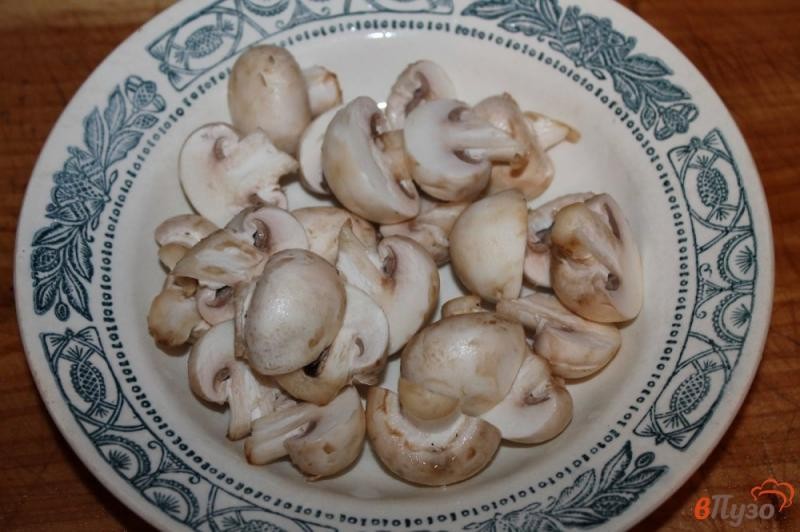
When people want to freeze mushrooms, they usually just cut them into pieces and pack them into several bags. Mushrooms absorb surrounding odors well, and likewise they can scent other things, and wrapping them in several layers reduces this unwanted effect.
Experts and owners of small freezers recommend first sautéing them in a drop of oil, possibly with a bit of onion. This gets rid of toxins and significantly reduces their volume, so they won’t take up as much space.
If you want to fully enjoy your forest catch, definitely do not freeze boletus edulis (white boletes)! Their aroma really develops only after drying and you would deprive them of this wonderful property. Parasol mushrooms, růžovky and other similar mushrooms are also not very suitable for freezing – they would completely fall apart.
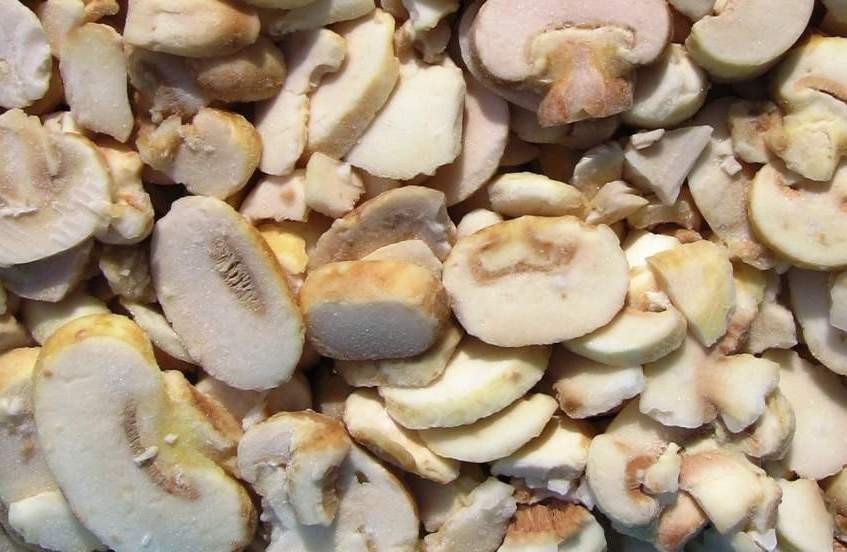
Well-frozen mushrooms, ideally using the quick-freeze function, will last about half a year; after that ice crystals begin to form in them that spoil the taste and texture.
Preserve them in vinegar
Few people do it, but mushrooms pickled in vinegar have their unmistakable charm. Young, firm fruiting bodies are suitable for canning; the best are very small mushrooms that you can leave whole. At the end of September it’s also the season for václavek and they are the best when pickled!
All boletes and chanterelles are also suitable; other species usually do not have a sufficiently firm texture and would not survive long boiling whole. It pays to can single species only for václavky and chanterelles, otherwise feel free to mix them together. Before canning it’s important to briefly boil the mushrooms with a piece of celery (it enhances the flavor) to reduce their volume.
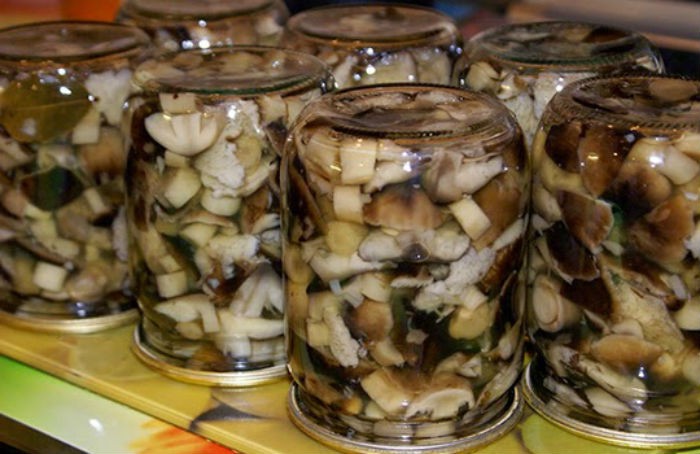
Add spices and root and stalk vegetables to the jars, then pour the brine over the mushrooms and seal. If you do it well, your products will last one to two years depending on the firmness of the fruiting bodies – but old pickled mushrooms become soft and are not good.
Homemade mushroom seasoning
You can make this delicacy from dried mushrooms; it’s better to slice them very thinly so they dry well. Then grind them or crush them in a mortar with dried parsley and pepper and a magical seasoning mix for flavoring not only mushroom dishes is born.
Preserve mushrooms another way – in salt
Salt is one of the oldest preservatives and there is no reason not to use it here. Cut healthy fruiting bodies into pieces, let them wilt in the sun and mix with salt – about 100 g of salt is needed per kilogram of mushrooms. Pack them tightly into a jar and sprinkle another tablespoon of salt on top.
Store in the dark. Before use you can lightly brush off excess salt so the final dish won’t be too salty. Mushrooms themselves do not become saturated with salt. They will keep like fresh for six to nine months.