Article content
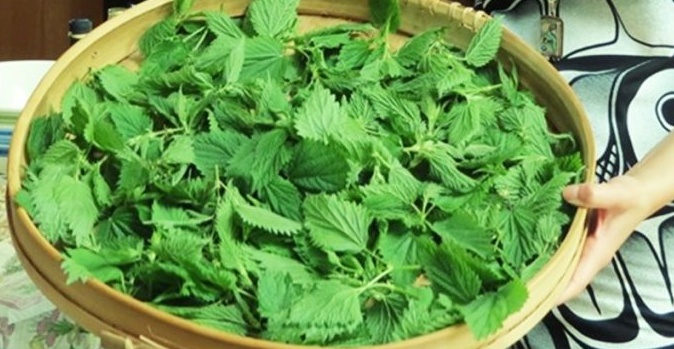
Our distant ancestors also discovered the beneficial properties of raspberry leaves, which help treat various illnesses: from colds and vitamin deficiencies to infertility and psoriasis.
Despite the fact that today pharmacies and doctors give us expensive medicines, people are increasingly turning to folk remedies. Now we will tell you what the beneficial properties of raspberry leaves are, how and for which illnesses this plant is recommended to be used.
Raspberry leaves are characterized by a rich chemical composition
They have a high content of essential minerals and vitamins.
Among them are:
- ascorbic acid, folic acid, vitamins E, K, B, A, PP
- Trace elements: potassium, copper, zinc, magnesium, iodine, iron, sodium, phosphorus
- Salicylates and other ethers
- Flavonoids. They beneficially affect the activity of enzymes in the human body
Raspberry leaves also contain sugars, resins, and some types of mineral salts.
Valuable properties
The range of useful properties of raspberry leaves is very wide. A decoction from them has the following effects on a person:
- activates sweating, reduces fever;
- accelerates the removal of mucus from the lungs;
- tones the body;
- heals wounds, stops bleeding, blocks the development of inflammatory processes;
- helps strengthen immunity;
- improves metabolism;
- relieves diarrhea.
Which diseases are treated with raspberry leaves
Such a rich chemical composition allows the use of raspberry leaves to treat many diseases.
Here are the main ones:
The beneficial properties of raspberry leaves for colds help quickly relieve the patient’s condition: lower the temperature, defeat the virus, remove some toxins through sweating and strengthen immune function.
Gastrointestinal tract diseases
Tea from raspberry leaves promotes healing of damaged tissues, reduces inflammation and has an astringent effect in cases of diarrhea.
Cardiovascular system problems
Drinking tea with raspberry leaves prevents the development of atherosclerosis and strengthens the heart muscle.
Infertility in men and women.
The benefit of raspberry leaves for women’s health is the optimization of blood flow in the pelvis and normalization of the menstrual cycle. In men, a decoction from the leaves of this plant provides a dose of vitamin C that improves sperm quality. Such an infusion also cleanses the body of toxins and helps get rid of inflammations of the urogenital system.
Toxicosis, swelling during pregnancy.
Careful use of raspberry tea during pregnancy weakens the symptoms of late toxicosis and removes excess fluid from tissues. It also strengthens blood vessels, reduces nosebleeds and weakens the gums, which is often seen in pregnant women.
Despite their nature, all folk remedies have a number of contraindications
For raspberry leaves, they are as follows:
- Individual intolerance to certain components.
- Use of antipyretics or other strong medications.
- Reduced intestinal motility, chronic constipation.
- Peptic ulcer of the stomach or intestines.
- Hypotension
- Asthma, nasal polyps.
- Nephritis.
- Gout (salt deposits in the joints).
- The first two trimesters of pregnancy.
Conclusion
Raspberries have long been valued for their beneficial properties: their leaves and berries were brewed to treat almost any disease. Today they can be used just as successfully to treat many diseases and to prevent vitamin deficiencies and metabolic disorders. However, do not forget that this folk remedy should not be abused. Keep in mind the contraindications. Take care of your well-being if you consume tea with raspberry leaves and take any medications.