Article content
Have you ever wondered what certain parts of the body are for? For example, wisdom teeth, which are mostly just a problem. Why do we have them?
In the first chapter of the book The Descent of Man by Charles Darwin he mentions several parts of the human body that Charles described as completely unnecessary for life, or at least almost unnecessary, but his list was by no means that extensive. The truth is, however, that our bodies are full of “components” that were important during our evolution, but today we no longer need them on our bodies.
1. Body hair
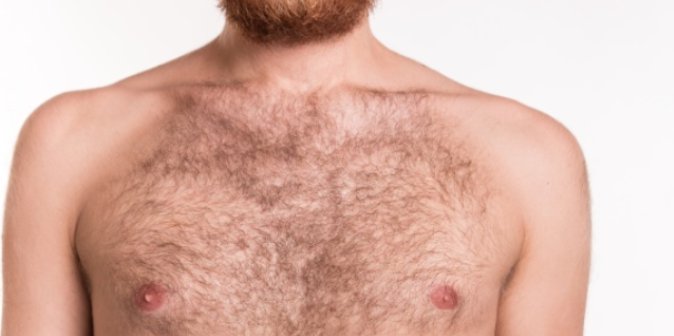
Not all hair. For example, eyebrows help keep sweat out of our eyes. Hair also plays a fairly important role in attracting the opposite sex. But apparently most of the remaining body hair no longer has any function on the human body.
2. External ear muscles
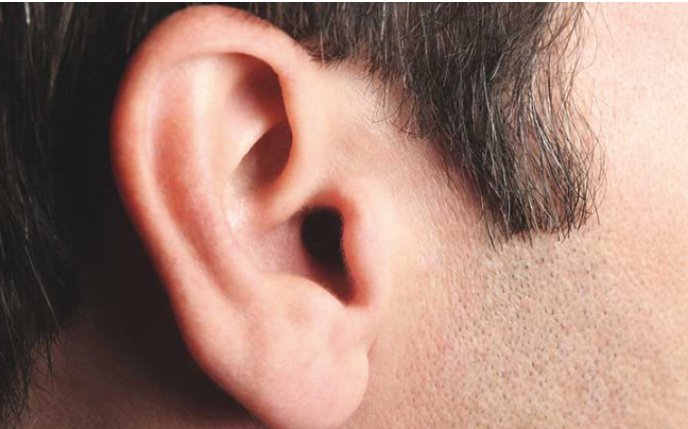
Some animals, like rabbits or dogs, can move their ears independently thanks to these muscles. We humans still have them, and so some people can so‑called wiggle their ears. These muscles, however, serve no purpose for humans.
3. Wisdom teeth
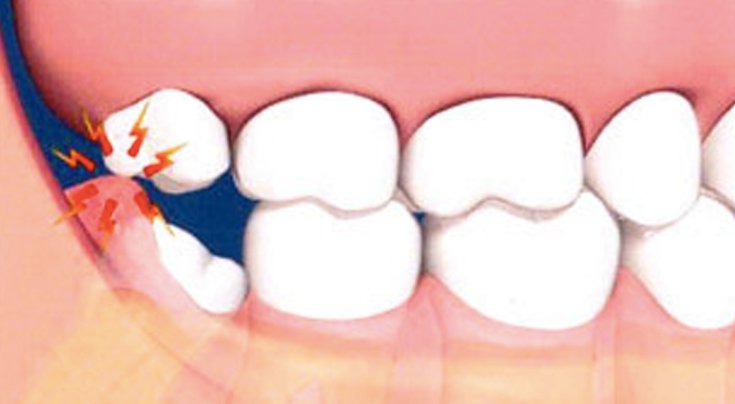
People used to have to chew plants and tough meat to get enough nutrients and calories to survive. Back then they were perfect for that purpose, but that is no longer the case today. It is known that nowadays only about 5% of people have these teeth without problems. We hope this will be the first on our list to disappear.
4. Cervical ribs
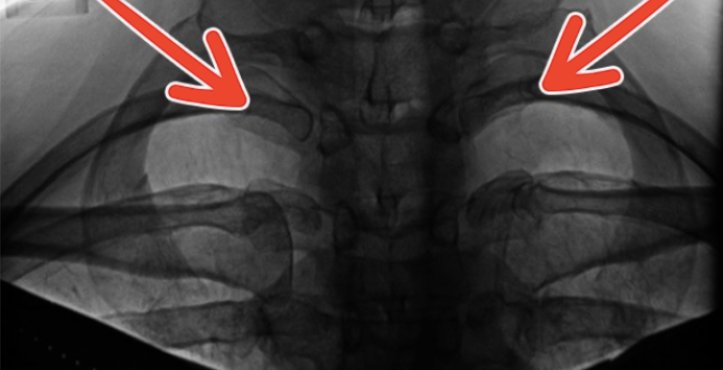
Cervical ribs are vestiges from the reptile era. They still occur in less than one percent of the population. Some people have them only on the left or right side, for example. But it’s nothing you’d want, because they often cause nerve and arterial problems.
5. Palmaris muscle
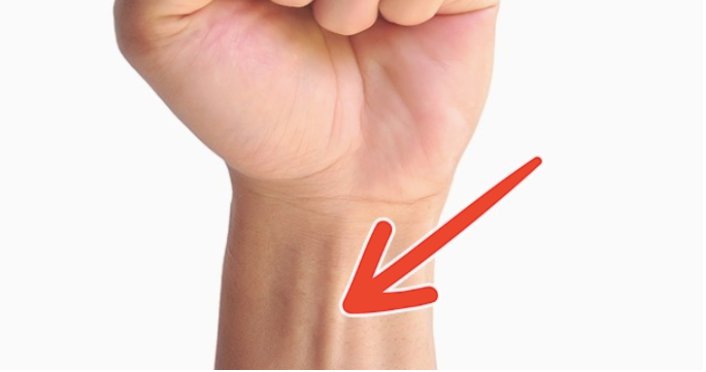
This long, narrow muscle runs from the elbow to the wrist and today it is already absent in about 11% of people. This muscle is important for hanging or climbing. It is indispensable, for example, for climbers.
6. Male nipples
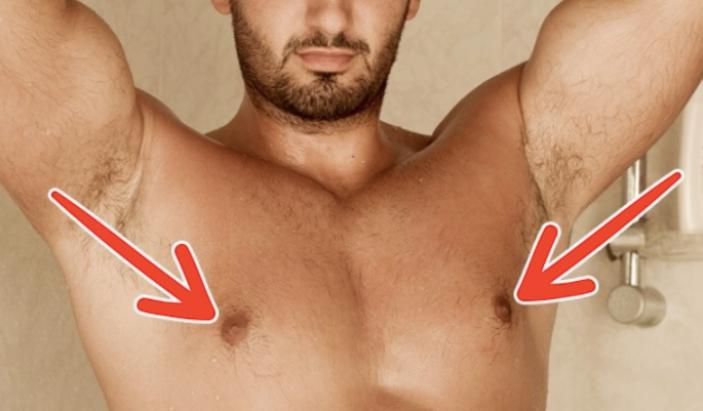
Have you ever wondered why men have nipples too? It’s because in the early stages of fetal development the child is effectively sexless. Men, however, lack the necessary level of prolactin, and so cannot produce milk.
7. Arrector pili muscles
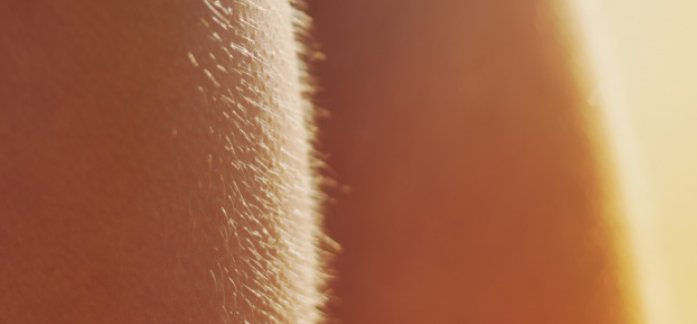
These small muscles are important in animals. They can raise their fur with them, thereby increasing their volume to appear larger. This serves to drive off a threatening animal. Humans still retain this ability, but the only thing that happens to us is that we get goosebumps. That probably won’t scare off many enemies, will it?
8. Appendix
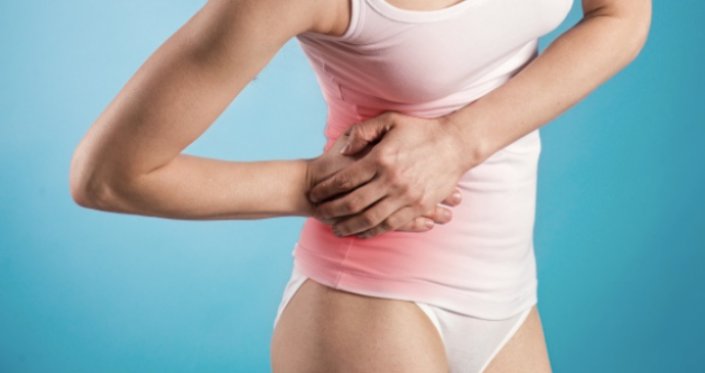
The appendix, or the blind gut, is a muscular tube that is attached to the large intestine. It once served as a special area where cellulose was digested. That was back when the human diet consisted mainly of plant material instead of animal protein.
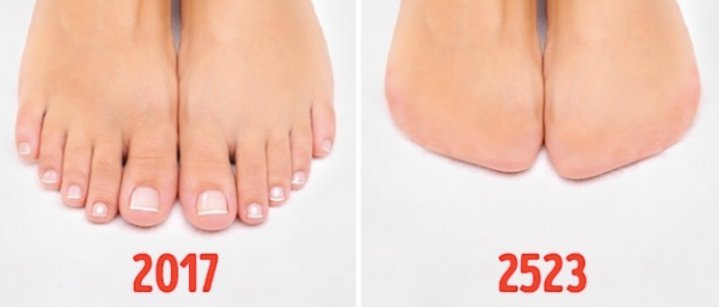
9. Toes
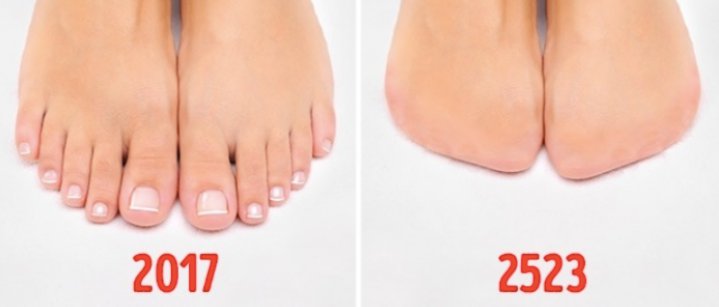
Scientists have found that people in ancient times walked and balanced more on the middle of their feet. Today, however, we have shifted our balance more toward our big toe. Studies have also shown that the center of balance is still shifting inward. That means people used to rely on their toes to maintain balance. That is far less true today, and if this trend continues, we may not need toes in the future.
10. Third eyelid
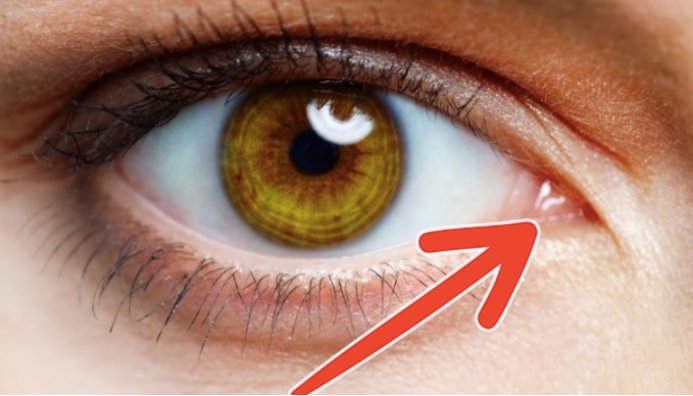
This is obvious in the ancestors of birds and mammals that have a membrane in the eye that protects it from dust and other small particles. Humans still retain a tiny fold in the inner corner of the eye as a remnant of this third eyelid.
11. Darwin’s tubercle
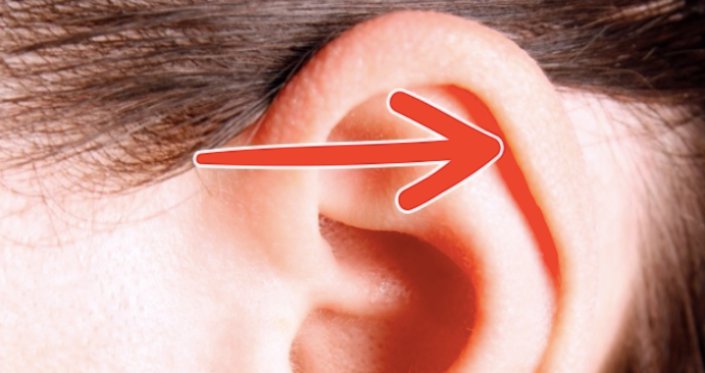
These small raised bumps on the skin of the ear are visible in people today. They are likely a remnant of a larger shape that probably helped focus distant sounds.
We hope you enjoyed this article. If so, we would be glad if you shared it with your friends. In the comments you can tell us whether you, for example, have a rare cervical rib, or what your experiences with wisdom teeth are.