Article content
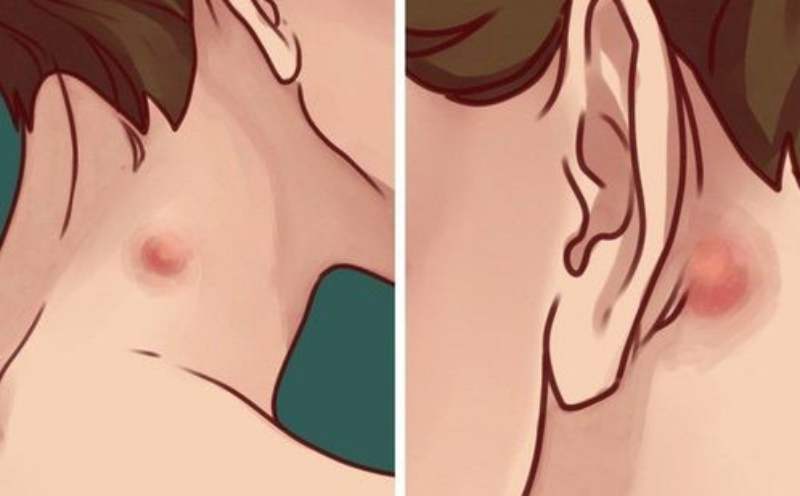
Lumps on the neck and behind the ears can trigger a range of reactions – from concern to complete disregard. While in some cases these bumps may be harmless, it’s important to pay attention to any unusual changes in your body. Here are the main causes you should keep in mind if you discover a lump on your neck or behind your ear.
1. Tumor cells
One of the more serious causes of lumps on the neck or behind the ear can be nasopharyngeal cancer (NPC). These lumps often spread to the cervical lymph nodes and are usually not painful. Other symptoms of nasopharyngeal cancer can include hearing loss, a blocked nose, nosebleeds, blurred vision, facial pain or numbness, and headaches. Even if you don’t feel pain, if you are concerned, it’s important to see a doctor and get examined.
2. Problems with the lymphatic system
Lymph nodes can enlarge and swell if the lymphatic system is not functioning properly. This system is key for transporting bacteria, toxins, and interstitial fluid. Enlarged lymph nodes can be a sign of various health problems, including Hodgkin lymphoma, which may present with night sweats, weight loss, fever, and a persistent cough. If you have any concerns about enlarged lymph nodes, it’s important to visit a doctor.
3. Infections
Viral and bacterial infections can also cause swelling of the lymph nodes and lumps on the neck and behind the ears. The most common infections include mononucleosis, chickenpox, and measles. Mastoiditis, which is inflammation of the bone behind the ear, can also lead to swelling in this area. If you have symptoms of an infection, it’s important to seek medical attention.
4. Sebaceous cyst
Another possibility is a sebaceous cyst, which develops as a result of a blocked sebaceous gland. These cysts are mostly harmless, but they can be bothersome. Doctors usually diagnose a sebaceous cyst based on a physical examination. If you suspect a sebaceous cyst, visit a doctor to determine the next steps.
Conclusion
If you discover a lump on your neck or behind your ear, it does not necessarily mean a serious health problem, but it is always better to be cautious. Different causes may require different approaches to treatment. If you are worried or notice any other symptoms, do not hesitate to seek medical help.
Share this article with friends and family so they, too, are informed about the importance of monitoring changes in their health and visiting a doctor in a timely manner.