Article content
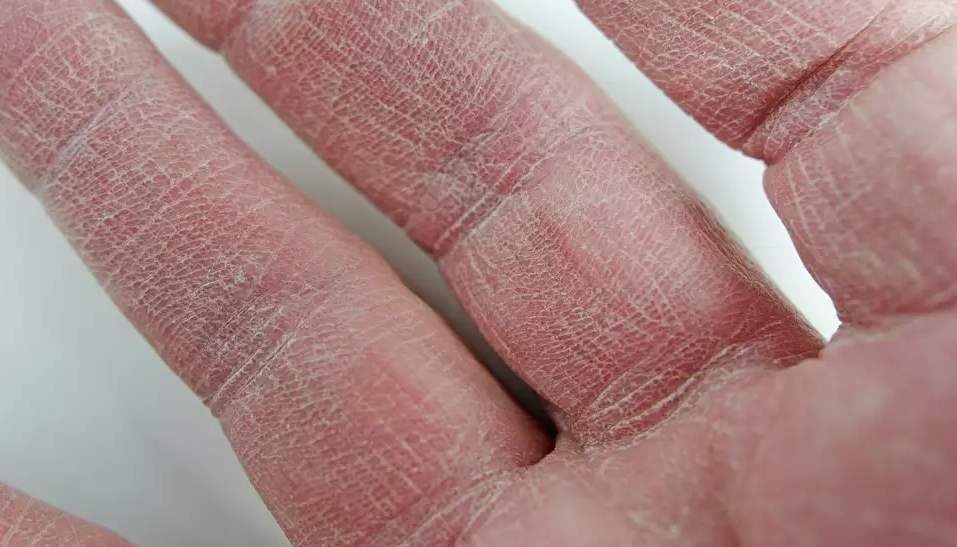
Systemic sclerosis is a mysterious autoimmune disease that often begins as dry skin and gradually spreads to internal organs, including the lungs, kidneys, heart and others. Although it can have serious impacts on quality of life, many people know virtually nothing about this disease. In this article we will look at what systemic sclerosis is, how it manifests and how to live with it.
What is systemic sclerosis?
Systemic sclerosis is an autoimmune disease characterized by excessive production of collagen, which leads to the stiffening and hardening of connective tissue in various parts of the body. The disease usually appears on the skin as thickening and hardening, but it can also affect internal organs such as the lungs, kidneys, stomach and intestines.
The disease is much more common in women than in men and often begins to appear around the age of forty.
Symptoms of systemic sclerosis
Systemic sclerosis can have a wide spectrum of symptoms that may vary from person to person. Major symptoms include:
- Severe hair loss: Hair loss is a common symptom that may result from changes in connective tissue.
- Calcium accumulation: Formation of calcium deposits in tissues.
- General pain: Pain and discomfort in various parts of the body.
- Breathing difficulties and coughing: Problems with breathing and chronic cough may be caused by lung involvement.
- Diarrhea and constipation: Digestive disturbances that may be the result of involvement of the digestive system.
- Heartburn and difficulty swallowing: Heartburn and problems with swallowing may be common.
- Bloating and uncomfortable sensations in the abdomen: After eating there may be bloating and other digestive problems.
How is systemic sclerosis treated?
There is currently no cure for systemic sclerosis, but the symptoms of the disease can be alleviated in various ways. Treatment usually includes:
- Consultation with a specialist: It is important to see a specialist who can prescribe specific treatment and accurately diagnose symptoms.
- Protecting hands from the cold: Cold can worsen symptoms, so it is important to protect the hands and limbs.
- Exercise and movement: Even though there may be painful sores on the skin, regular movement and exercise can help keep joints flexible and reduce stiffness.
Living with systemic sclerosis
Living with systemic sclerosis can be challenging, but proper treatment and care can help improve quality of life. It is important to maintain open communication with your doctor and tailor treatment to individual needs.
If you have concerns about your health or think you might have systemic sclerosis, do not hesitate to seek medical help. The earlier it is diagnosed and treatment begins, the better the outcomes and quality of life will be.
If you liked this article, share it with your friends and family so they too are informed about this often overlooked condition.