Article content
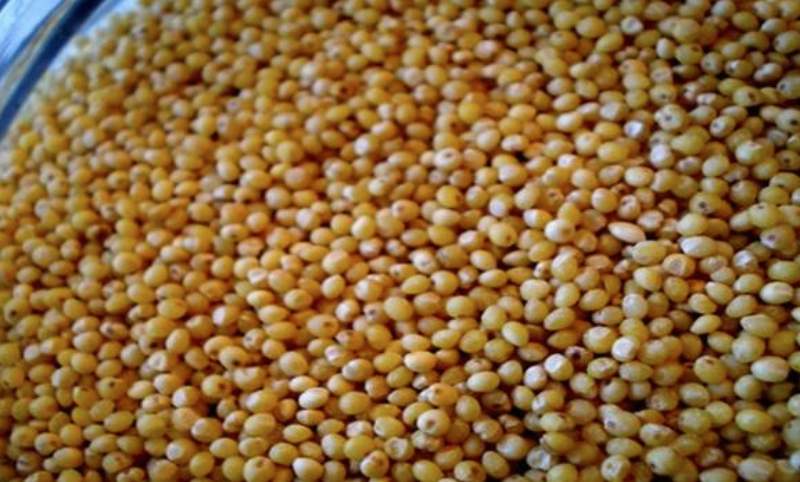
Our grandparents ate it every day and had good reason. Millet, today often considered bird food, was once a staple in Asia and Africa and its health benefits are staggering. This gluten-free and alkalizing grain offers a wide range of benefits thanks to its rich content of minerals, trace elements and vitamins.
History of millet
Millet was a key crop in China more than 10,000 years before the arrival of rice. Although often forgotten in modern times, its nutritional benefits remain unforgettable.
Nutritional values and beneficial effects
1. Rich mineral content:
- Silicic acid: 100 grams of millet contains approximately 550 mg of silicic acid, which plays a key role in bone formation and increases the elasticity and resilience of connective tissues.
- Other minerals: Millet is also rich in iron, magnesium, phosphorus, potassium and zinc.
2. Health benefits:
- Easily digestible: It is the only grain with an alkaline chemical reaction, which is easily digestible and suitable for sensitive digestion.
- Gluten-free: Millet is naturally gluten-free; however, millet products should be consumed by people sensitive to gluten only if contamination can be ruled out.
- Silicic acid and skin: Regular consumption of millet contributes to fresh and smooth skin, healthy and strong hair.
3. Effects on health:
- Tissue elasticity: Silicic acid increases the elasticity of connective tissues, which is beneficial for people suffering from varicose veins, hemorrhoids, posture problems, arthritis, and the like.
- Teeth and nails: Together with fluoride, it ensures healthy teeth and strong nails.
- Nervous system: The high B-vitamin content positively affects the nervous system.
- Anemia: Due to its high iron content, millet can help with iron-deficiency anemia.
- Atherosclerosis and blood pressure: Silicic acid helps prevent atherosclerosis, restores vascular elasticity and normalizes high blood pressure.
4. Folk medicine:
- Eyes and spleen: In folk medicine, millet is used to treat the eyes and spleen, regulate blood sugar levels, strengthen immunity and prevent cancer.
Warning
Despite its many advantages, it is important to consume millet in moderation. Excessive intake can be problematic especially for people with thyroid disorders. If you have thyroid problems, it is recommended to consult your doctor about how much millet is safe for you.
Conclusion
Millet is not only nutritious but also offers a number of health benefits. Although often forgotten today, regular consumption can bring significant benefits to your health. Try incorporating this ancient grain into your diet and discover its beneficial effects on your body and health.
If you have your own experiences with millet or questions, don’t hesitate to share them in the comments section!
We wish you health and a balanced diet!