
Article content
High blood pressure is one of the most common health problems that can lead to serious diseases. Many people do not realize how important it is to regularly monitor blood pressure values and maintain them at the correct level. Blood pressure changes not only depending on our daily activities but also according to our age.
Why is it important to monitor blood pressure?
High blood pressure can damage the arteries and increase the risk of heart attack, stroke, kidney failure and other health complications. Many people resort to blood pressure lowering medications, however these drugs can have unpleasant side effects and in some cases can cause even more serious problems. Therefore it is important to monitor blood pressure and try to keep it at optimal values by natural means, such as a healthy diet, exercise and stress reduction.
What are the ideal blood pressure values by age?
The correct blood pressure values vary depending on age. Here is an overview that will help you find out what value should be optimal for you:
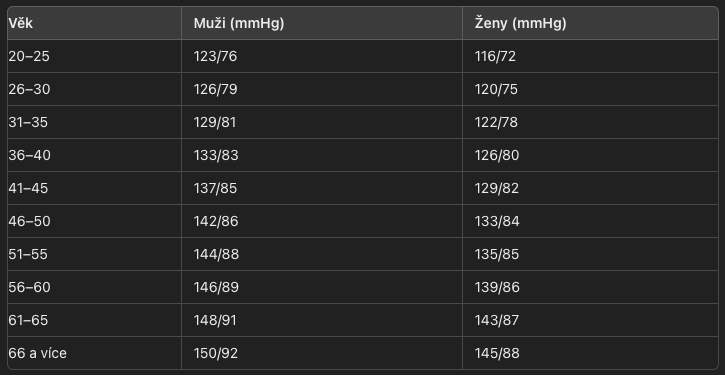
These values represent the average ideal blood pressure by age and gender. However, every person is different, and therefore it is advisable to consult regular blood pressure measurement results with a doctor.
Symptoms of high blood pressure
High blood pressure often has no clear symptoms, which is why it is sometimes called „silent killer“. Nevertheless, the following warning signs may appear:
- Frequent and severe headaches
- Difficulty breathing
- Nosebleeds
- Dizziness and anxiety
If you notice any of these symptoms, you should measure your blood pressure as soon as possible and consult the results with a doctor.
What can cause high blood pressure?
High blood pressure can be caused by a number of factors, including:
- Lack of physical activity: A sedentary lifestyle contributes to an increase in blood pressure.
- Excessive salt consumption: Too much salt in the diet increases the risk of hypertension.
- Smoking: Nicotine narrows blood vessels and raises blood pressure.
- Alcohol consumption: Alcohol raises blood pressure and can have a negative impact on heart health.
- Stress: Chronic stress leads to a persistent increase in blood pressure.
- Vitamin D and potassium deficiency: These nutrients are key for the proper functioning of the heart and blood vessels.
How to naturally lower blood pressure?
There are many natural ways to lower blood pressure and keep it within normal range. These include:
- Regular exercise: Exercise helps improve heart health and lowers blood pressure.
- Healthy diet: A diet rich in fruits, vegetables, whole grains and low in salt can help.
- Stress reduction: Meditation, yoga and relaxation techniques can reduce tension and blood pressure.
- Limiting alcohol and smoking: Reducing alcohol consumption and quitting smoking significantly reduces the risk of hypertension.
Conclusion
Blood pressure is an important indicator of our health, and therefore it needs to be monitored regularly. Measuring blood pressure should be part of everyday healthcare, especially if you have an increased risk of hypertension. Maintaining a healthy lifestyle can help keep blood pressure within normal values and reduce the risk of serious health complications.
If you notice that your blood pressure values are outside the normal range, do not hesitate to consult a specialist and seek medical help.


