Article content
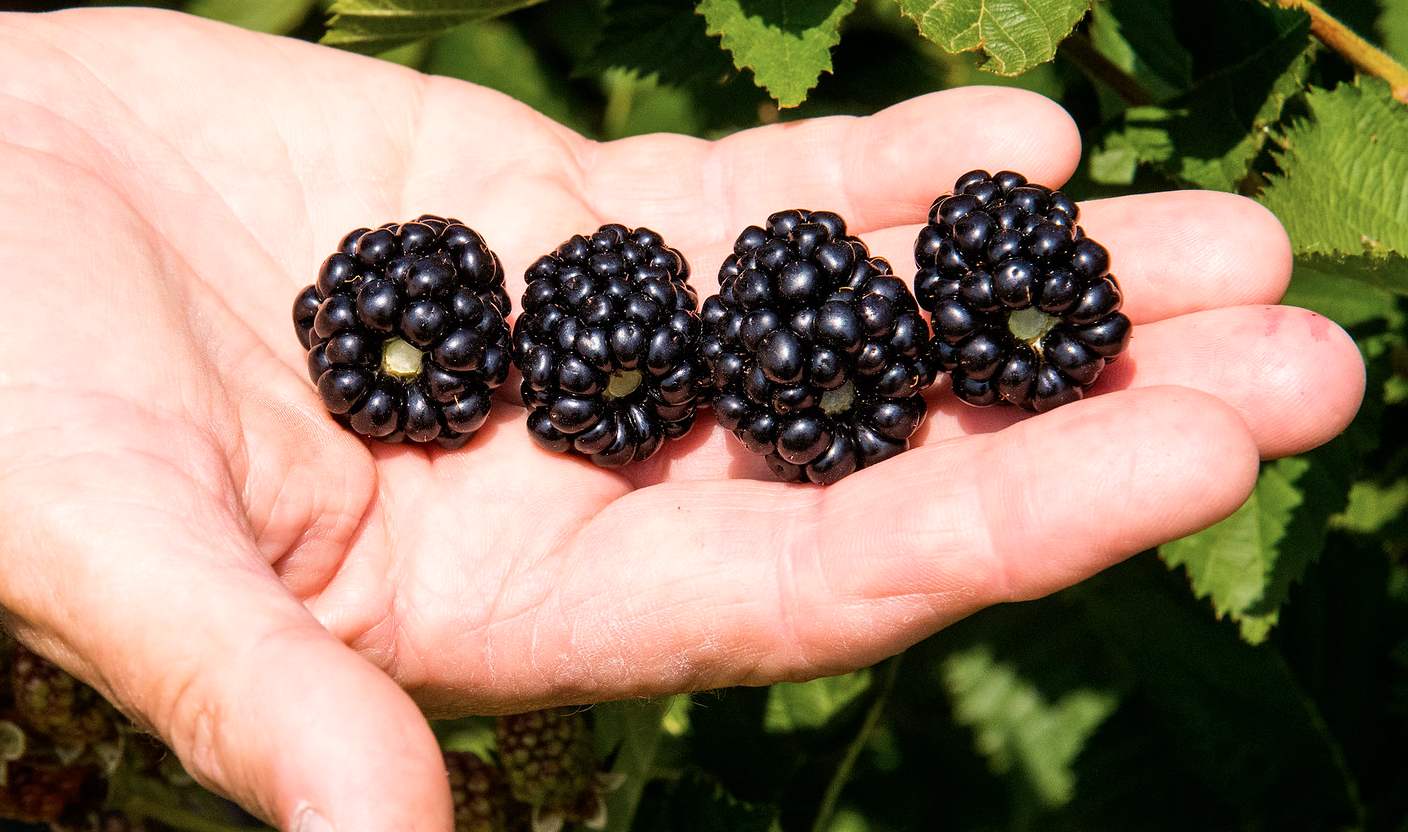
Blackberries are not only a tasty addition to desserts such as pies or ice cream sundaes, but also a true natural treasure that humanity has appreciated for thousands of years for its beneficial effects on health. These small fruits were used not only as food but also as a remedy for various ailments. In ancient times they were used to treat gout or hernias, while today they are popular for their positive effects on cholesterol and blood sugar levels.
History of blackberries
The origin of the blackberry, Latin Rubus fruticosus, stretches back to the Iron Age, that is more than 2,500 years ago. Blackberries were found in Europe, Asia and America, not only as food but also as a medicinal resource. The Romans regarded them as an important part of their medicine, and even Native Americans used them for tanning hides and making ropes.
In the Middle Ages blackberry bushes had a practical significance – they were often planted around villages as a natural defense against wild animals and enemies. In European folklore blackberries played an important role in first-harvest celebrations, with the Gauls believing that fruits picked at the correct phase of the moon could protect against evil curses.
Health benefits
Blackberries are rich in important vitamins and minerals that positively affect human health. They contain large amounts of vitamin C, which supports the immune system and collagen formation, important for the health of skin and joints. The blackberry is also rich in vitamin K, which supports blood clotting and bone health, and manganese, which helps proper metabolism and protects cells from free radicals.
For diabetics blackberries are ideal thanks to their low glycemic index and glycemic load. They stabilize blood sugar levels and thus help prevent diabetes. The fiber contained in blackberries supports digestion and helps lower cholesterol levels, which has a beneficial effect on heart and vascular health.
Blackberries in the kitchen
In the kitchen blackberries have wide use. They are a great base for making jams, pies and desserts, but are also suitable for savory dishes. They pair well with meat and are used in sauces and wine products.
Curiosities and superstitions
According to an old legend, blackberries should not be picked after September 29, the feast of Michaelmas. It is said that the archangel Michael cast Lucifer out of the heavens, and he fell into a blackberry bush, thereby placing a curse on the fruits. Although this superstition has no scientific basis, it is true that after this date there may be an increased occurrence of mold on the fruits.
Conclusion
Blackberries are not only a tasty fruit but also a valuable natural medicine with a rich history. Their health benefits, rich nutritional composition and wide use in the kitchen make them an ideal part of the everyday diet.