Article content
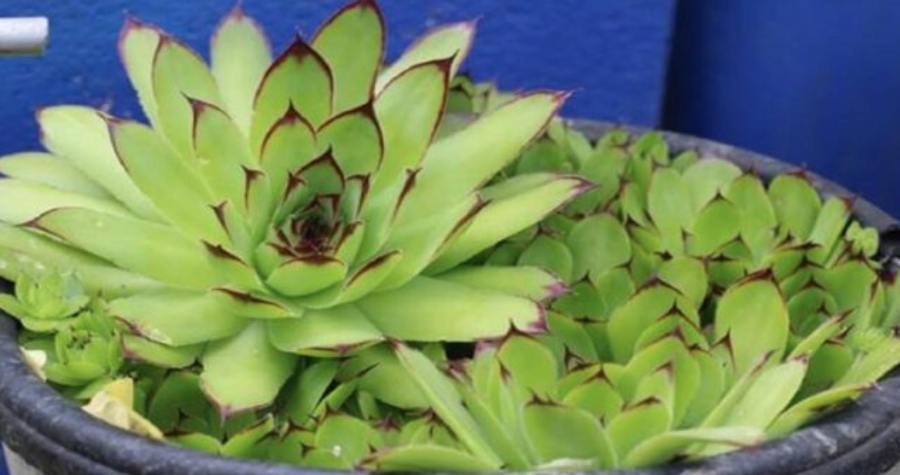
Houseleek (Sempervivum tectorum) is a well-known plant that has earned the nickname “a miracle of nature” not only because of its appearance but primarily because of its healing properties. This undemanding, evergreen plant, often also called the house rose or stone rose, originates from European mountain regions where it grows on rocky, sunny slopes. Its toughness and resistance to adverse conditions make it a popular addition to gardens and homes.
Houseleek requires only minimal care – it benefits from sunlight, while standing water can harm it. Therefore it thrives in breathable, well-drained soils. With the arrival of spring it easily propagates through small offshoots. Its fleshy leaves, arranged in a rosette, hide a number of active substances that provide benefits for both external and internal use.
Healing effects of houseleek
Houseleek is rich in flavonoids, tannins, vitamin C, plant acids and other compounds with anti-inflammatory, antibacterial and antiviral effects. These properties are useful in treating many common ailments. For example, in traditional medicine it is often used to treat minor injuries, burns and inflamed areas. Houseleek can relieve pain, reduce swelling and speed up healing.
One of the best-known uses of houseleek is the application of juice from its leaves for ear inflammations. This is where its nickname “ear plant” comes from. The juice from the leaves was traditionally dropped into a sore ear to soothe inflammation and pain. Today houseleek is still used as a natural remedy for various infections and wounds, for example to treat insect bites, skin irritations and minor injuries.
Use of houseleek in cosmetics
Thanks to its anti-inflammatory and regenerating properties, houseleek has become popular in cosmetics as well. Its juice is added to various products such as after-sun creams, soothing treatments for irritated skin or regenerative masks. It helps hydrate the skin, reduces redness and supports the renewal of skin cells.
Houseleek in folk medicine
Folk medicine uses houseleek to treat a range of problems, including fever, digestive issues or intestinal problems. For fever, for example, it was used in the form of compresses on the body. Crushed leaves were often used as a poultice on sore areas, where they acted antiseptically and eased pain. Folk healers also recommended houseleek for various skin problems, such as warts, itching after insect stings or minor swellings.
Houseleek juice also has the ability to regenerate irritated mucous membranes in the oral cavity, which is why it was used as a natural remedy against canker sores and sore throats. It can also be used for gum inflammations and other problems in the oral cavity. In some areas it was even believed that regular consumption of houseleek juice helps strengthen the immune system and protect the body against infections.
How to use houseleek
The simplest way to use it is to cut a leaf and squeeze its juice directly onto the affected area. You can use it on minor wounds, burns or as a compress for swellings and itching. If you need to treat irritated skin, try a gentle facial massage using juice from the leaves – the skin will calm down and remain hydrated.
Another option is to use houseleek as a tea or infusion, which can help with sore throats or canker sores. Simply boil the leaves and let them steep to make a drink that you can gargle with to soothe the mucous membrane.
Houseleek – an unassuming treasure of your garden
Houseleek is a natural wonder with incredible healing properties. Its easy maintenance and wide range of uses make it a plant you should definitely keep in your garden. Whether you are looking for help with pain, inflammations or want to pamper your skin, houseleek offers a natural and effective solution.