Article content
In the past, polenta, also known as corn porridge, was part of our grandparents’ daily diet. If you ask great-grandmothers about their favorite breakfasts, they will surely answer: “A portion of warm corn porridge with milk.” This simple and nutritious dish became a staple of healthy eating and brought many health benefits.
Today polenta is back in fashion, not only as a traditional food but also as part of modern dietary plans. Polenta has many nutritional values and health benefits, which has made it popular not only here but also in various parts of the world.
What is polenta?
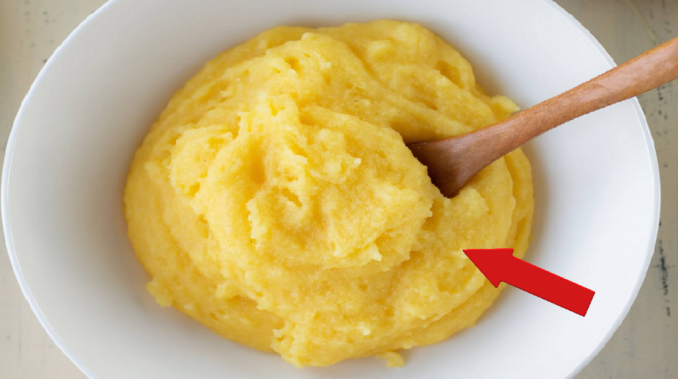
Polenta is a type of corn porridge that is prepared from coarsely ground cornmeal. This dish is very popular in Western Asia and Southeastern Europe. Its name comes from the Turkish word kaçamak, which means escapade. In North Macedonia it is also known under the name bakrdan. Polenta is not only tasty but also highly nutritious.
Nutritional values of polenta
Polenta is a great source of many nutrients that are essential for our body. It contains high amounts of folic acid, vitamins B6, K and E, pantothenic acid, thiamine, riboflavin and niacin. In addition, polenta is rich in minerals such as phosphorus, magnesium, zinc, potassium, copper, selenium and manganese. These nutrients help support heart health, regulate cholesterol levels, cleanse the intestines and aid healthy digestion.
Polenta as part of diet plans
Recently the so-called “kačamak diet” has become very popular, which is based on replacing breakfasts and dinners with this dish. It is a diet plan that focuses on having polenta replace heavy and unhealthy meals during the day, thereby helping not only with weight loss but also with improving overall health.
Example menu of the kačamak diet (corn porridge):
- Breakfast: Kačamak with kefir or yogurt
- Mid-morning: Fruit
- Lunch: Soup, main course and salad. Alternatively only soup and salad, but without bread.
- Snack: Fruit
- Dinner: Kačamak with kefir or yogurt
100 g of polenta contains approximately 380 calories, which makes this dish ideal for those who want to eat healthily while maintaining a slim figure. Polenta is rich in natural carbohydrates and lipids that are beneficial for the human body.
How to prepare healthy polenta?
You can prepare polenta, that is kačamak, in several ways. Each of them is simple, quick and yields great results.
First method of preparing polenta:
Put 3.5 cups of water into a pot, add a little sunflower oil and a pinch of salt. When the water starts to boil, reduce the heat to the minimum and, stirring constantly, add 1 cup of corn polenta. When preparing polenta it is recommended to use a wooden spoon to prevent oxidation from a metal spoon. To the finished polenta you can add seeds, vegetables or other healthy ingredients according to your taste.
Second method of preparing polenta:
Pour 1.5 liters of water into a container, add 1 teaspoon of salt and wait for the water to start boiling. Once the water is boiling, add 500 g of cornmeal. Keep in mind that the flour will remain on the surface of the water. Using a wooden spatula make a hole in the flour and let it cook over low heat. After a while the flour and water will combine and you will have a delicious and healthy polenta that you can serve.
Polenta is also excellent as a work meal that you can easily prepare in advance and enjoy in the office during the day.
Why is polenta great for health?
Polenta is rich in fiber, which helps cleanse the intestines and supports healthy digestion. Thanks to its high magnesium and potassium content it helps regulate blood pressure and supports heart function. Polenta is also low in calories and contains no unhealthy fats, which makes it an ideal choice for anyone trying to lose weight or maintain a healthy weight.
Polenta is also very versatile, can be prepared in many ways and combined with various ingredients. You can serve it as a side dish, part of soups, or choose it as a main course with your favorite accompaniments.