
Article content
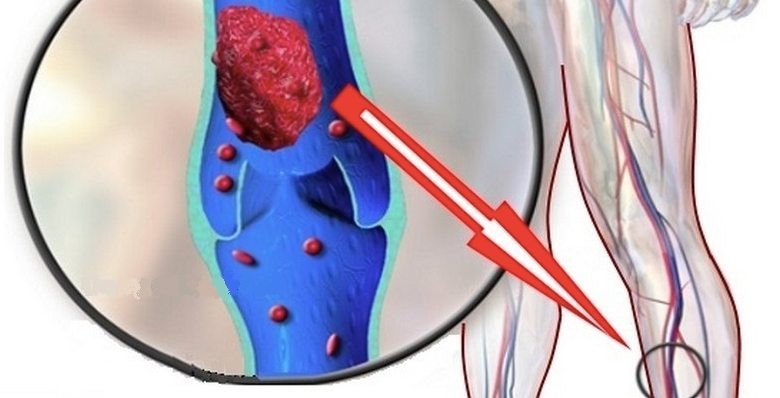
Blood clot is a mass of blood that moves in the bloodstream. Coagulation is normal for our blood because it is a natural part of the healing process. Unfortunately, when a blood clot travels into the body, it can be dangerous.
According to the American Society of Hematology, these are some risk factors for blood clots:
- obesity
- pregnancy
- sitting for longer than 4 hours (long trip),
- oral contraceptives (birth control pills)
- certain surgeries
- people over 60 years
- with a family history of blood clots
- chronic inflammatory disease (rheumatoid arthritis)
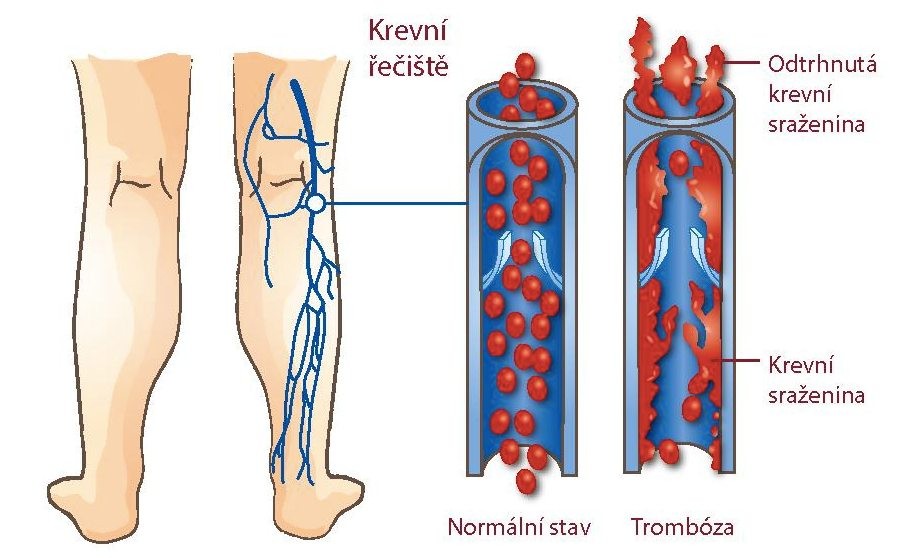
A blood clot that runs along your veins can get stuck and block tissue in the legs, arms, or even in the brain or other organs. This can lead to those parts of the body slowly beginning to die from lack of oxygen in the blood.
Let’s look at 8 warning signs that may indicate you have a blood clot, when you need to seek medical help, and what you can do to prevent it.
No. 1: Swelling from blood clots
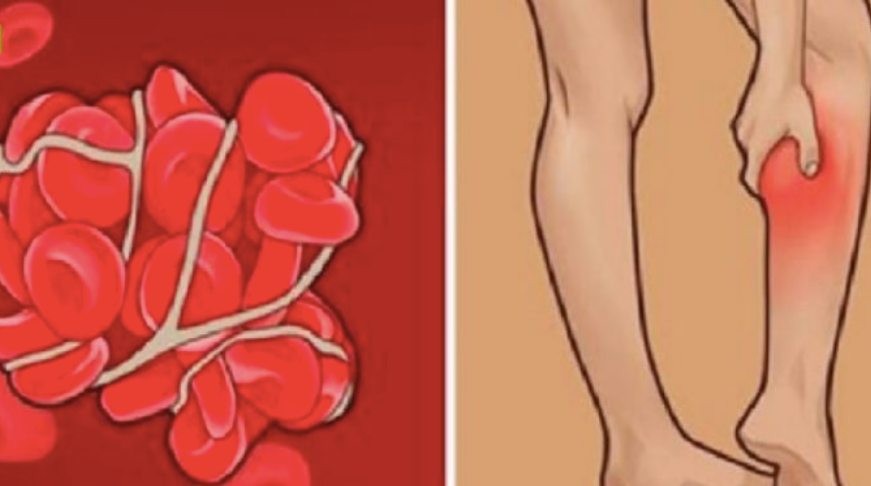
A blood clot exerts pressure on the vein behind the clot. This pressure can build and extend outward, tugging surrounding tissue. A blood clot swelling occurs most often in the legs.
No. 2: Continuous pain
In the chest, a blood clot presents as a weight lying on the chest, not a stabbing pain. A feeling of pressure or dull pain accompanied by other symptoms is a sign that you may have a blood clot.
No. 3: Pale skin
Lack of blood supply causes your skin to be pale and then bluish when oxygen leaves the blood.
No. 4: Hot flashes
A sensation of warmth is usually felt in the hands or feet. This can be accompanied by sweating or tenderness in the affected area.
No. 5: Loss of sensation
Symptoms of tingling or numbness in the legs or shoulders may be a sign of a blood clot. Because blood is restricted in the area of the clot, blood cannot circulate in that area. This is similar to how you feel when your hand goes numb after falling asleep in an uncomfortable position.
No. 6: Headache with loss of vision and speech abilities.
A blood clot in the brain is called an ischemic stroke. Headache is fairly common, so you should not be worried about a blood clot if that is your only symptom. But a clot in the brain can cause problems with the eyes and can affect your ability to speak.
No. 7: Diarrhea with abdominal pain
With symptoms of vomiting it may be food poisoning, or it may be a blood clot in the stomach. An abdominal clot can cause severe pain, unlike pain from other types of clots.
No. 8: Shortness of breath with pain
A blood clot in the lungs is called a pulmonary embolism or PE. The same symptoms can occur with a blood clot in the heart. Shortness of breath, feeling like you can’t catch your breath, chest pain, racing heart, sweating, fever, and coughing up blood are all signs of a blood clot in the lungs.
It is essential to quickly consult a doctor, especially with symptoms of a blood clot in the brain, heart, abdomen, or lungs. A doctor can use noninvasive ultrasound to check for blood clots in the limbs and a blood test to check coagulation.
Treatment of blood clots usually involves the use of blood-thinning medications and breaking up the clots. Drugs and blood thinners, such as aspirin, warfarin, rivaroxaban, apixaban and heparin, can significantly reduce the risk of serious blood clots.
This does not mean you should take over-the-counter drugs, like aspirin, to prevent a blood clot. If you take aspirin, consult a healthcare professional because you may have other health complications that can cause concern when combined with a blood thinner.
According to the Mayo Clinic you can also take measures to prevent blood clots. They recommend:
Avoid prolonged sitting. If you travel by plane, regularly walk the aisle. During a long car trip, stop often and walk.
Change your lifestyle. Lose weight, lower high blood pressure, quit smoking and exercise regularly.
Other ways to reduce the risk of blood clots include increasing intake of omega-3 fatty acids with supplements like fish oil. Omega-3 has many benefits and is one of the things that will help you live longer.
Massage, exercise such as walking, and a healthy low-fat diet high in whole grains and vegetables also facilitate blood flow. Garlic, onion, ginger, turmeric, ginkgo, blueberry, cayenne pepper are excellent ingredients to add to cooking to reduce the likelihood of blood clots.
What exercise helps?
Exercise on a stationary bike promotes blood flow to the lower limbs, which helps reduce and prevent blood clots in the legs. Start slowly and gradually increase training intensity. It is enough to walk at least 30 minutes a day.
Stairs
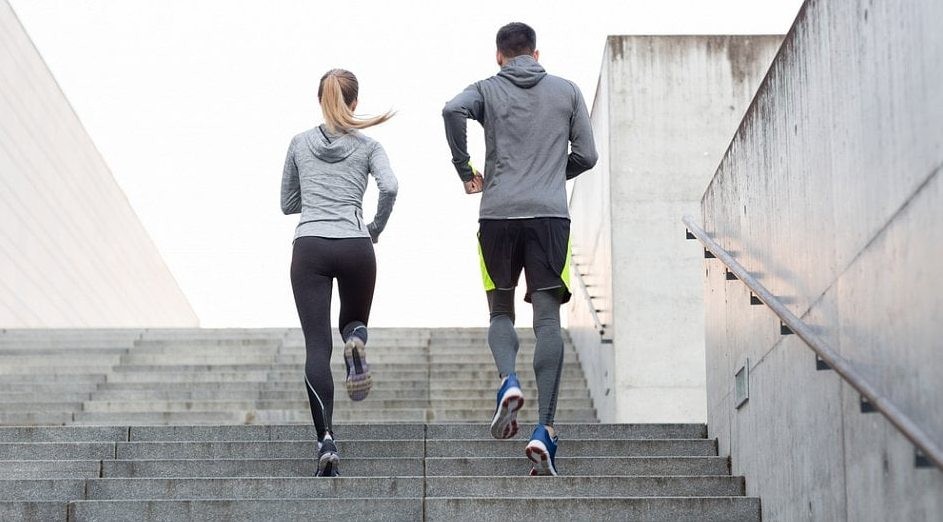
Walking keeps you active and promotes circulation in the lower body. If your activity level does not allow you to exercise for 30 minutes, at least try to walk up the stairs once a day at least five floors.
Train your calf muscles, rise onto the balls of your feet. Do calf raises to support circulation in this area.
Repeat 15-20 times. Rest and then repeat at least twice a day.
Did you read the article to the end? Were you interested? Then you can reward the editor’s work by liking the article on Facebook or sharing it — thank you.
Notice: This article is for informational purposes only and is a translation from foreign websites. It does not replace medical treatment, examination by a doctor, or consultation with any other healthcare professional. Posts may contain information that does not agree with the views of the editorial staff.
We state that the authors nor the website operator assume responsibility for any harm caused by the use of therapeutic methods in this article.
Although the recipes, advice or treatment methods in this article are written with the best intentions of the author, their use is at your own risk and should occur only after consultation with a doctor.


