Article content
Just this year, 400 women in the Czech Republic will be diagnosed and 250 will die from ovarian cancer. Considering that this is only a single type of cancer, these numbers are truly devastating.
The main reason for this situation is that ovarian cancer is among those that are the most difficult to diagnose.
Its symptoms are often mistaken for common health conditions and many women do not realize the risk until it is too late.
Risks and the complex diagnosis of ovarian cancer
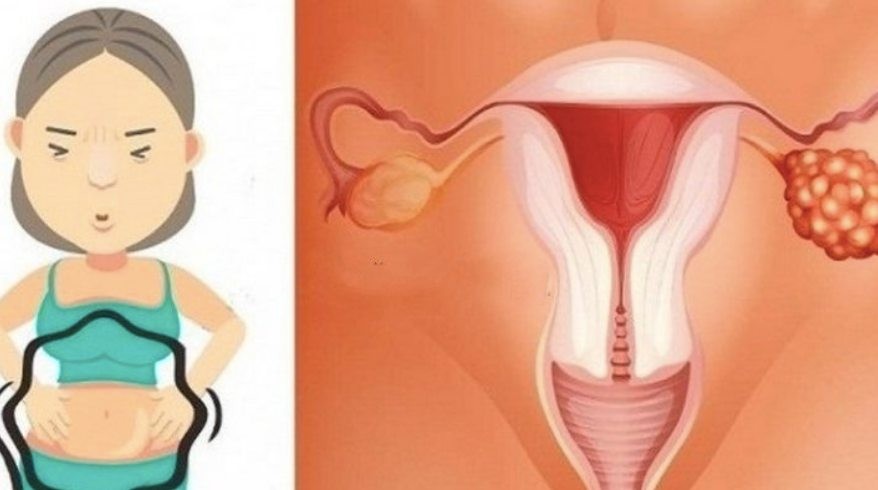
Ovarian cancer begins, as one would expect, in the ovaries. These are relatively small female reproductive organs in which eggs are formed.
If this disease is not detected in time, the cancer will begin to spread rapidly to other reproductive organs. The most common type of cancer occurring in the ovaries is, in up to 90% of cases, the so‑called epithelial carcinoma.
Even though it is a relatively common type of tumor, doctors even in today’s modern era have considerable difficulty detecting it.
By the time it is usually discovered, it is often already too late. Therefore it is important to know the early symptoms of this type of cancer and to recognize them promptly if they appear.
6 early symptoms of ovarian cancer
So which symptoms should you watch for and pay attention to? They are the following:
1. Persistent pelvic pain
If you experience chronic, unrelenting pain in the pelvic area, it is a clear signal that something is not right.
It may be a benign ovarian cyst, but it could also be cancer.
Therefore it is better to seek medical help. This applies especially when the pain lasts a long time and standard painkillers help only a little or temporarily.
2. Bloated abdomen
A bloated abdomen is a sign that there may be excess fluid in the abdominal cavity.
Therefore monitor yourself regularly. If you notice signs of swelling or frequent bloating, it may not just be digestive troubles but also a possible cancerous condition.
As in the previous case, seek medical assistance.
3. Urination problems
Frequent or weak urination is another possible symptom of ovarian issues.
A tumor and possible inflammation with swelling on the ovaries can press on the bladder and ureters, causing either frequent urination or difficulty with a weak urine stream.
This symptom is particularly easy to overlook and to attribute to common urinary tract infections, which occur relatively often in women.
4. Problems with eating
Ovarian cancer has the potential to disrupt the hormones that control metabolism. You may then feel full for longer periods, which results in reduced food intake.
If this applies to you, visit a doctor to be sure.
5. Spotting between periods
If you notice unusual discharge between two periods, there can be several causes, unfortunately including possible ovarian cancer.
To rule it out, it is advisable to seek a gynecologist’s help to perform the appropriate tests.
6. Changes in bowel movement regularity
Changes in stool frequency do not necessarily mean cancer. Often they are common digestive problems, conditions after taking antibiotics, too little fiber in the diet, and similar causes.
However, if these changes persist longer or are accompanied by some of the previous symptoms, it could theoretically be ovarian cancer.
If you notice long‑lasting diarrhea, constipation, or other changes related to bowel movements, consult your doctor.
Conclusion
As was mentioned more than once in the article, many symptoms can be caused by other diseases. They are often overlooked and not given proper significance.
Therefore monitor yourself regularly to be safe, and if you notice several of the above symptoms simultaneously or their prolonged persistence, do not hesitate to seek professional help.