
Article content
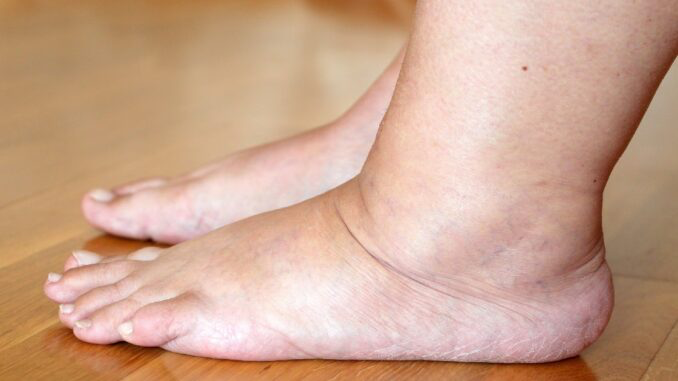
Swollen feet, also known as edema or water retention, are a problem that affects many people. Although this condition can be temporary and harmless, sometimes it can signal more serious health issues. If foot swelling becomes a regular occurrence, it is important to find its cause. Modern research helps us better understand what causes this problem and how to address it effectively.
Here are 6 main causes of swollen feet and tips on how to relieve this condition:
1. Lack of physical activity
If you spend most of the day sitting at a desk or have a sedentary job, swollen feet may be a sign that your body needs more movement. Inactivity causes slowed circulation, which leads to fluid retention in the lower limbs.
How to address this problem?
A simple solution is regular movement. You don’t have to go to the gym or take part in intense exercise; just include a daily 30-minute walk or another form of mild activity that will help improve circulation and reduce swelling.
2. Blood clots
Blood clots, especially in the legs, can be caused by venous insufficiency, which is a condition where the blood vessels are unable to effectively transport blood back to the heart. This problem is common in older people, pregnant women, and those who sit or stand for long periods.
What to do?
Prevention of blood clots involves regular movement and regularly elevating the legs, for example during rest or sleep. This helps proper blood flow and reduces swelling.
3. Poor nutrition
Malnutrition, especially a lack of important nutrients, can lead to excessive fluid retention in the body. Too much salt in the diet increases the risk of swollen feet because salt causes the body to retain water.
How to prevent this?
Focus on a balanced diet rich in vitamins, minerals, and fiber. Limit salt intake and include more foods with diuretic effects in your diet, such as fruits and vegetables.
4. Premenstrual syndrome (PMS) vs. pregnancy
Although these are two different situations, both can lead to swollen feet. Premenstrual syndrome and pregnancy cause hormonal changes that lead to water retention, which can also manifest in the feet.
How to alleviate it?
To relieve swelling, you can prepare a warm parsley tea. Chop the parsley leaves and root and pour hot water over them. Let the tea steep for 5–7 minutes and then strain it. This tea helps remove retained water and reduces swelling.
5. Kidney or liver problems
If you have problems with your kidneys or liver, this can lead to swollen feet, especially in the morning after waking up. These organs are responsible for filtering fluids in the body and their proper function is key to preventing water retention.
What to do?
If you suspect that foot swelling is caused by problems with these organs, you should visit a doctor as soon as possible. Early diagnosis and treatment can prevent more serious complications.
6. Heart problems
The heart is the main pump that controls the flow of blood in the body. If the heart is unable to pump blood effectively, this can lead to swelling of the feet because blood remains in the lower limbs. This is often accompanied by other symptoms, such as shortness of breath or fatigue.
How to proceed?
If you have heart problems, it is essential to undergo medical examination. A doctor may recommend effective medications and lifestyle changes that will help improve heart function and reduce swelling.
Conclusion:
Swelling of the feet can have various causes, from harmless water retention to more serious health problems. It is important to observe whether this problem recurs and to adjust your lifestyle as needed. A healthy diet, regular exercise, and timely visits to a doctor can help alleviate this condition.


