
Article content
A heart attack doesn’t happen overnight. In most cases it’s a long-term process during which fatty deposits, cholesterol and inflammatory substances gradually accumulate in the blood vessels. The vessels lose their elasticity, narrow, and blood flows through them increasingly with difficulty.
Modern research confirms that a properly chosen diet can significantly slow this process – and in some cases even partially reverse it. Vegetables rich in fiber, antioxidants, natural nitrates and anti-inflammatory compounds play a key role in this.
Why vascular health is so important
Healthy blood vessels are flexible, elastic and able to efficiently supply organs with oxygen-rich blood. However, if they become damaged or clogged, the risk of serious diseases increases significantly.
- heart attack
- stroke
- high blood pressure
- ischemic heart disease
- peripheral artery disease
That is why it makes sense to focus on prevention through diet before the first serious problems appear.
1. Green leafy vegetables
Spinach, kale, Swiss chard or arugula are among the most effective foods for protecting blood vessels.
- they contain natural nitrates that relax the vessel walls
- they improve blood flow and reduce blood pressure
- they are rich in antioxidants that protect the vascular lining
They are best consumed raw in salads, lightly steamed or added to soups.
2. Broccoli and cruciferous vegetables
Broccoli, cauliflower, Brussels sprouts or cabbage contain substances that protect the vessel walls and dampen inflammation.
- the sulforaphane content helps reduce arterial inflammation
- they protect the inner lining of the vessels
- they support the body’s detoxification processes
Light cooking is ideal – steaming or roasting.
3. Beetroot
Beetroot is among the best-researched foods for supporting blood circulation.
- high content of natural nitrates
- helps reduce blood pressure
- improves tissue oxygenation
It can be eaten roasted, boiled, grated into salads or as a juice.
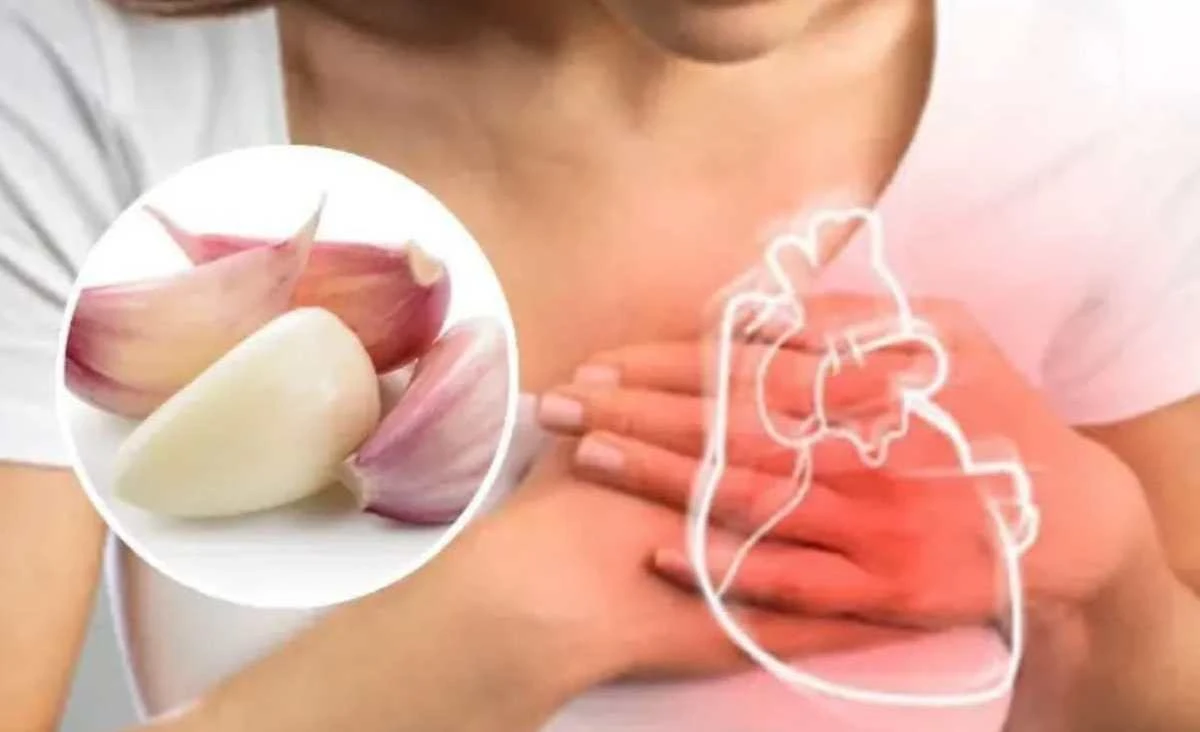
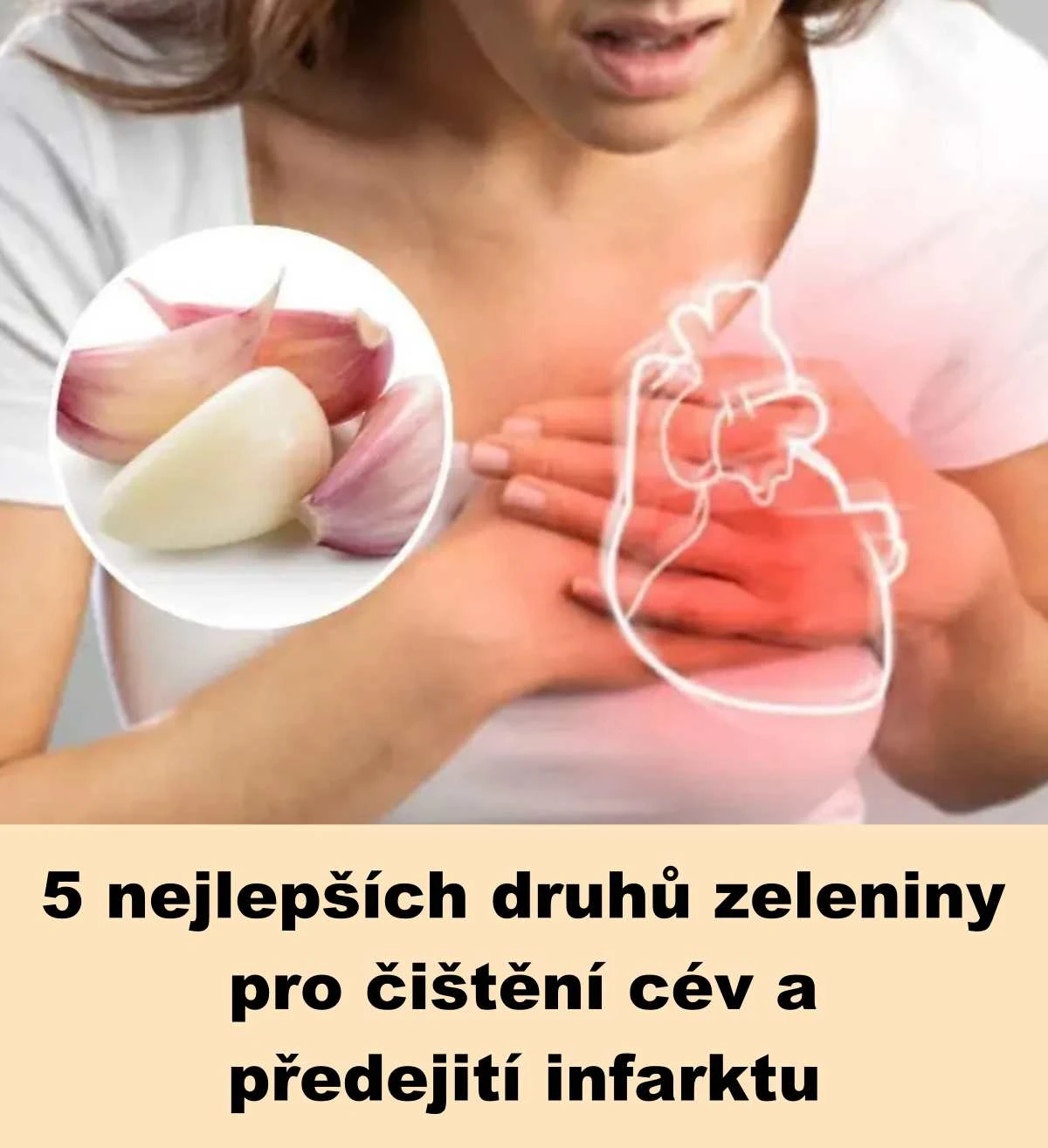
4. Garlic
Garlic is a powerful natural remedy for heart and vascular health.
- reduces LDL cholesterol levels
- limits the formation of vascular plaques
- contributes to lowering blood pressure
- has anti-inflammatory and antithrombotic effects
For maximum effect, it is recommended to crush garlic and let it sit for a few minutes.
5. Tomatoes
Tomatoes are a rich source of lycopene, a powerful antioxidant associated with heart protection.
- they reduce cholesterol oxidation
- they protect vessels from inflammation
- they support healthy blood pressure
Cooked tomatoes have higher lycopene bioavailability, especially when combined with olive oil.
How these vegetables work together
When regularly included in the diet, these vegetables:
- reduce chronic inflammation
- improve vessel elasticity
- limit cholesterol oxidation
- help maintain stable blood pressure
In the long term they thus contribute to slowing the progression of atherosclerosis, which is the main cause of heart attack and stroke.
Conclusion
Healthy blood vessels are not a question of one pill, but of a long-term lifestyle. The right vegetables are among the simplest and most natural ways to protect the heart and reduce the risk of serious cardiovascular diseases.