
Article content
Mold is fairly common in nature. However, its presence in your household or even in your body can cause several health problems.
Therefore you need to know the symptoms and also whether you belong to the group of people most at risk from molds. Then you will be able to defend yourself against their adverse effects.
Conventional medicine does not consider molds to be a serious problem and even, despite the existence of tests to detect overgrowths of molds in the body, almost never uses these tests.
The result is often incorrect diagnoses and the persistence of health problems, because the real cause of the illness is not treated but only substitute diagnoses or merely the symptoms.
The most important symptoms of a fungal disease
The following symptoms are typical manifestations of a fungal infection in the body, and people and doctors can often mistake them for other diseases:
- Headaches
- Fatigue, weakness and nausea after exercise
- Light sensitivity, blurred vision, red eyes
- Memory and concentration problems
- Sinus inflammation, cough, shortness of breath, asthma-like symptoms (mold in the lungs)
- Vertigo
- Static electricity shocks
- Weight gain despite efforts to maintain weight
- Chills
- Muscle cramps, joint pains, icy stabbing pain caused by inflammatory arthritis
- Constant and persistent nerve pains
- Numbness and tingling in the limbs
- Abdominal pain, diarrhea, changes in appetite, nausea
- Excessive thirst
- Night sweats and problems regulating body temperature
- Increased urination
- Metallic taste in the mouth
As you can see, these symptoms are easy to confuse with other common illnesses.
Therefore, if one or more of them trouble you simultaneously and do not go away with time, it is necessary to begin suspecting a possible influence of mold.
Where molds occur most frequently
The destructive effects of molds have been scientifically studied for more than three decades.
It is usually a combination of several types of molds and fungi that are found in various crevices but also on the surfaces of furniture. Their spores then spread through the air from there and penetrate our bodies.
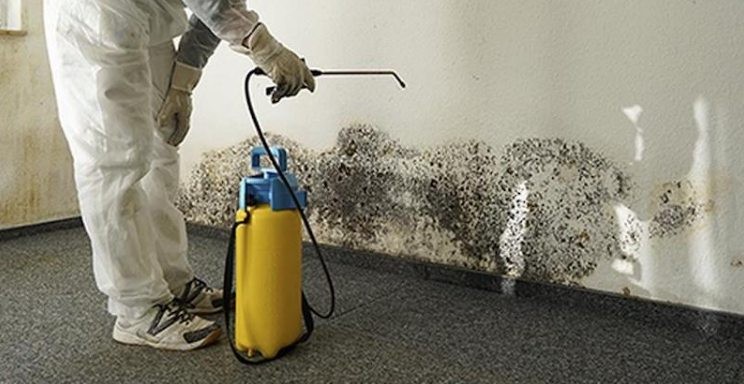
Molds thrive in warm and humid environments. Therefore they most often occur in bathrooms, showers, or poorly ventilated rooms.
Mold can attach to and multiply in these items:
- furniture
- books
- pets
- shoes
- carpets
- paper
Mold can also circulate in air ducts or air conditioning, so you should consider regular cleaning or replacing HVAC filters.
This mainly applies to office spaces where you spend a lot of time and this risk usually doesn’t even occur to you.
Buildings damaged by water intrusion promote the formation of complex combinations of contaminants present in dust and the air that can create toxic mixtures.
The most important among them are mycotoxins which remain on spores and mold particles released into the air.
The most common reason for persistent mold infections is infection of the nasal sinuses.
The problem is that more than half of the buildings in which we live or spend a lot of time are in some way damaged by water leakage. Since we spend a substantial part of the day indoors, we must learn how to protect ourselves from molds.
People most at risk from molds
Physician Dr. Ritchie Shoemaker, author of 8 books on this topic, including the book Surviving Mold: Life in the Era of Dangerous Buildings, talks about chronic inflammatory syndrome:
“It is an acute and chronic systemic inflammatory illness that is caused by exposure to molds in the interiors of buildings damaged by water intrusion.
These molds are very toxic organisms, including fungi, molds, bacteria, actinomycetes, mycobacteria and also substances that provoke inflammatory reactions in the body.
Up to 24% of people cannot produce an adequate amount of antibodies to these organisms. And these are precisely those who make up up to 95% of the people whom these damaged buildings cause various illnesses.
It is a genetic matter concerning the HLA-DR gene. And 2% of people are extra sensitive to mold. In them, the variation of the mentioned gene is more pronounced.
Of course, mold can also negatively affect people who are not overly sensitive to it.
Inflammations caused by molds do not just heal on their own, because they are chronic inflammation as a result of a weakened immune system.
If you do not catch the problem in time, it can lead to a number of serious illnesses.
What to do in case of a mold illness
If you suspect a mold infection and some of the above symptoms apply to you, you should do the following:
1. Study everything about molds.
2. Test for the presence of mold in your home. There are professionals who can detect the presence of even hidden molds using the ERMI test. It is relatively expensive but worth it. If the problem is confirmed, hire experts to resolve this issue in your home.
3. Ask your doctor for help to determine whether you are sensitive to mold and whether an infection is already present in your body. Then follow his recommendations and take further steps to treat it.


