Article content
Millions of people around the world suffer from heartburn and acid reflux, in which acid moves from the stomach back into the esophagus and causes unpleasant pain.
It is estimated that 14% to 20% of people suffer from this health problem, with about 7% of the population affected daily.
The most commonly prescribed drugs for these conditions are the so-called antacids, which block the production of stomach acid.
Although they relieve the unpleasant symptom for a time, they pose a serious risk to our health.
Drugs versus nature for heartburn
The problem with pharmaceutical drugs is that they create a deficiency of stomach acid, which then causes digestive problems and various metabolic disorders.
Moreover, these drugs often contain aluminum, which is toxic to the body and can even lead to brain damage.
Some natural substances and simple lifestyle changes are a much better solution.
Natural approaches can resolve heartburn problems as well as, if not better than, drugs and additionally without the unwanted side effects of medication.
Even simple changes in diet or the position you sleep in can significantly reduce the symptoms of acid reflux and noticeably improve your quality of life.
14 natural ways to treat reflux and heartburn
Let’s now look at how it is possible to treat acid reflux and heartburn using natural methods.
1. Don’t overeat
At the top of the stomach there is a ring-shaped muscle that regularly opens when food passes from the esophagus into the stomach and then closes again.
In people with acid reflux this muscle is often weakened or even completely nonfunctional.
Its insufficient closure can also occur when a lot of pressure is applied to it. This usually happens when overeating or when the stomach is full.
Therefore stop overeating or eating portions that are too large.
2. Lose weight
An increase in pressure on the muscle that closes off the stomach also occurs with an excessive amount of fat in the abdominal cavity. This is a condition known as a hiatal hernia.
It can affect not only overweight people but, for example, pregnant women as well.
If you suffer from acid reflux, try to lose at least a few kilos. The result in the form of reduced symptoms should appear almost immediately.
You will then know whether overweight was the real cause of your heartburn.
3. Switch to a low-carbohydrate diet
More and more research shows that a diet low in sugars and carbohydrates effectively reduces the severity of acid reflux.
It appears that undigested sugars promote the proliferation of bacteria and increase pressure in the abdominal cavity. Some scientists even claim that this is the main cause of the condition.
Supplements containing prebiotic fiber can even be a problem. This fiber promotes the growth of gas-producing bacteria.
4. Limit alcohol intake
Alcohol consumption has been shown to worsen symptoms. It leads to an increase in stomach acid concentration and relaxation of the muscle that closes off the entrance to the stomach.
Studies have shown that even moderate drinking can trigger heartburn. This applies to spirits, beer, and wine.
5. Don’t drink too much coffee
Studies have shown that coffee affects the muscle that closes the stomach, temporarily weakening it. Caffeine is believed to be the cause.
On the other hand, drinking decaffeinated coffee tends to reduce heartburn symptoms.
In one study participants were given caffeine in water and their reflux symptoms did not worsen. It seems that caffeine acts together with other substances in coffee.
Results are therefore not definitive and to some extent it likely depends on the individual’s reaction to coffee.
Try temporarily reducing your coffee intake and see how it affects you.
6. Chew gum
Several studies have confirmed that chewing gum has a beneficial effect on reducing heartburn. Gums containing bicarbonates have proved especially effective.
Increased saliva production, which dilutes and clears acid from the esophagus, also contributes to reducing heartburn.
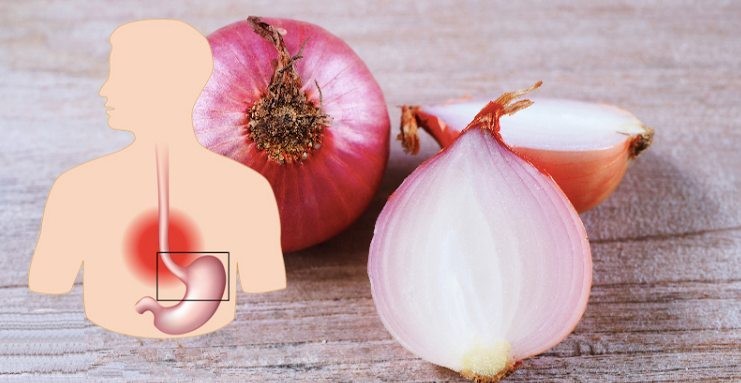
7. Avoid raw onion
Research has confirmed that consuming foods containing raw onion increases heartburn compared with the same foods that did not contain onion.
The cause is likely gas production and the fiber content in onions, which undergoes fermentation.
Additionally, onion juice itself can irritate the esophageal lining and worsen acid reflux symptoms.
8. Limit carbonated drinks
One observational study showed that people who often drank fizzy beverages reported worsened heartburn symptoms.
Furthermore, several studies concluded that these kinds of drinks weaken the muscle that clamps the stomach.
9. Don’t drink too much citrus juice
A study of 400 patients with heartburn found that drinking orange and grapefruit juice worsened the symptoms of the condition.
The problem is not so much the acidity of these juices. Even orange juice with a neutral pH worsened symptoms.
More likely, certain substances in these juices irritate the esophageal lining.
10. Eat less chocolate
Patients with acid reflux are sometimes advised to limit chocolate consumption.
However, the evidence is not very strong, as only one relatively small study showed that daily consumption of 120 grams of chocolate weakened the stomach sphincter.
Another study showed that chocolate increases acidity in the stomach. More studies will be needed to confirm chocolate’s effect on heartburn.
11. Avoid peppermint and spearmint
Mint is an herb often used to flavor foods, candies, chewing gums, toothpastes, or mouthwashes.
One study suggested that high doses of mint weaken the stomach sphincter and can also irritate the esophageal lining.
If you suspect mint is behind your heartburn, it’s best to avoid it.
12. Elevate your head while sleeping
Some people suffer from acid reflux mainly at night, which can disrupt their sleep or make falling asleep difficult.
If you place a larger pillow under your head, or if you have an adjustable bed, you can significantly reduce problems with escaping acid and heartburn.
This is a simple effect where gravity keeps the acid in the stomach.
13. Don’t eat for 3 hours before bedtime
A full stomach creates greater pressure on the walls, which together with a weakened stomach sphincter can be a recipe for acid escape and heartburn.
It is recommended that in such cases you do not consume anything after 7 p.m.
14. Don’t sleep on your right side
The esophagus enters the stomach from the right side. If you sleep on your right side, acid can more easily escape from the stomach back into the esophagus.
Sleeping on your right side can thus worsen the symptoms of the condition.
This recommendation may seem difficult to follow because most people change position during sleep.
Try at least to fall asleep on your left side, or combine this tip with tip 12 so that you sleep in a slightly elevated position.