Article content
The liver is an important organ in the human body. It is located in the right upper quadrant of the abdominal cavity and is partially protected by the ribs.
The liver is involved in many essential bodily functions. Unlike some other organs such as the appendix, gallbladder or one of the paired organs, life without a liver is not possible.
Early treatment of a diseased liver is important for restoring its functions. Therefore you should know the early signs of its damage (pain may or may not be one of them) and be able to care for it as thoroughly as you can.
There are more than 100 different liver diseases. Each disease has its own set of symptoms.
The most common liver diseases include:
- alcoholic liver disease
- hepatitis
- fatty liver
- liver cirrhosis
Early symptoms of liver disease are often easily overlooked or can be mistaken for other illnesses or health issues.
That it is specifically the liver that is ill can be determined, for example, if several of the following symptoms occur at the same time.
12 early signs of liver damage
1. Upset stomach
You are likely suffering from nausea or vomiting. It can resemble other conditions such as migraines, food poisoning, dizziness, motion sickness, early pregnancy, depression, retching, or kidney problems.
Those who suffer from liver damage often experience nausea because their liver has a reduced ability to rid the body of toxins.
Nausea is also caused by disrupted metabolism and changes in digestion. If these symptoms bother you for several days and you do not know the cause, consult your doctor.
2. Fatigue and general weakness
One of the early and obvious signs of liver damage is persistent fatigue and weakness. When the liver is not in great shape, the body has to work harder and you will need more rest.
This is a result of increased toxins in the blood that cannot be cleared because the liver is unable to remove them.
If symptoms persist, especially with other symptoms, seek medical help in time.
3. Loss of appetite
This occurs as a result of decreased bile production, which helps digest fat in the diet.
When food is not properly digested, the result is a loss of appetite and significant weight loss.
See your doctor if you have been experiencing any of the mentioned symptoms for a long time.
4. Digestive problems
The liver plays an important role in digestion because it produces bile, which helps better process and absorb nutrients in the small intestine.
If the liver is diseased, you may develop digestive problems and diarrhea. If bile is not produced properly, it leads to irritable bowel syndrome, fat intolerance, alcohol intolerance, abdominal bloating, constipation and gallstones.
If your condition becomes severe or you experience liver pain, you must seek medical help as soon as possible.
5. Changes in urine color
If you think you are drinking enough fluids but your urine is still dark, this can be one of the early signs of liver damage.
Urine then tends to be brown, amber or orange in color due to increased levels of bilirubin in the blood. Bilirubin is elevated because the liver cannot get rid of it and the kidneys excrete it.
Dark urine can also be caused by dehydration, side effects of taking antibiotics, taking supplements with B vitamins, urinary tract infection, enzyme deficiency or improper kidney function.
A doctor can usually solve problems with dark urine coloration.
6. Changes in stool coloration
Because bile is not produced in sufficient quantity due to liver failure, the color of stool also changes. Instead of being brown, it may be pale yellow, clay-colored or gray If this happens occasionally, it is not dangerous. But if it occurs frequently, consult your doctor to have your liver examined.
7. Jaundice
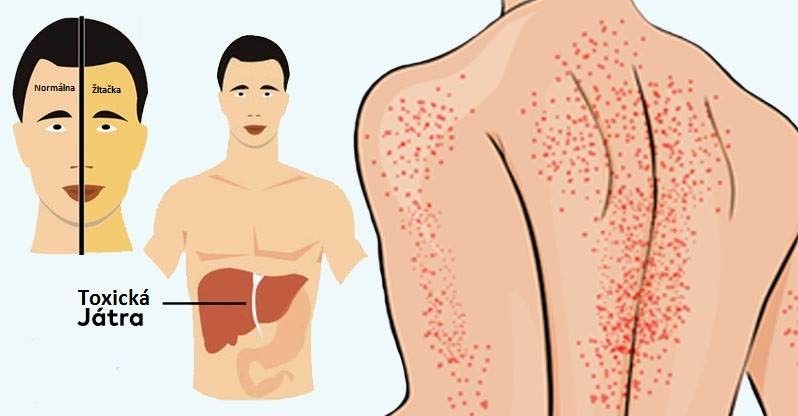
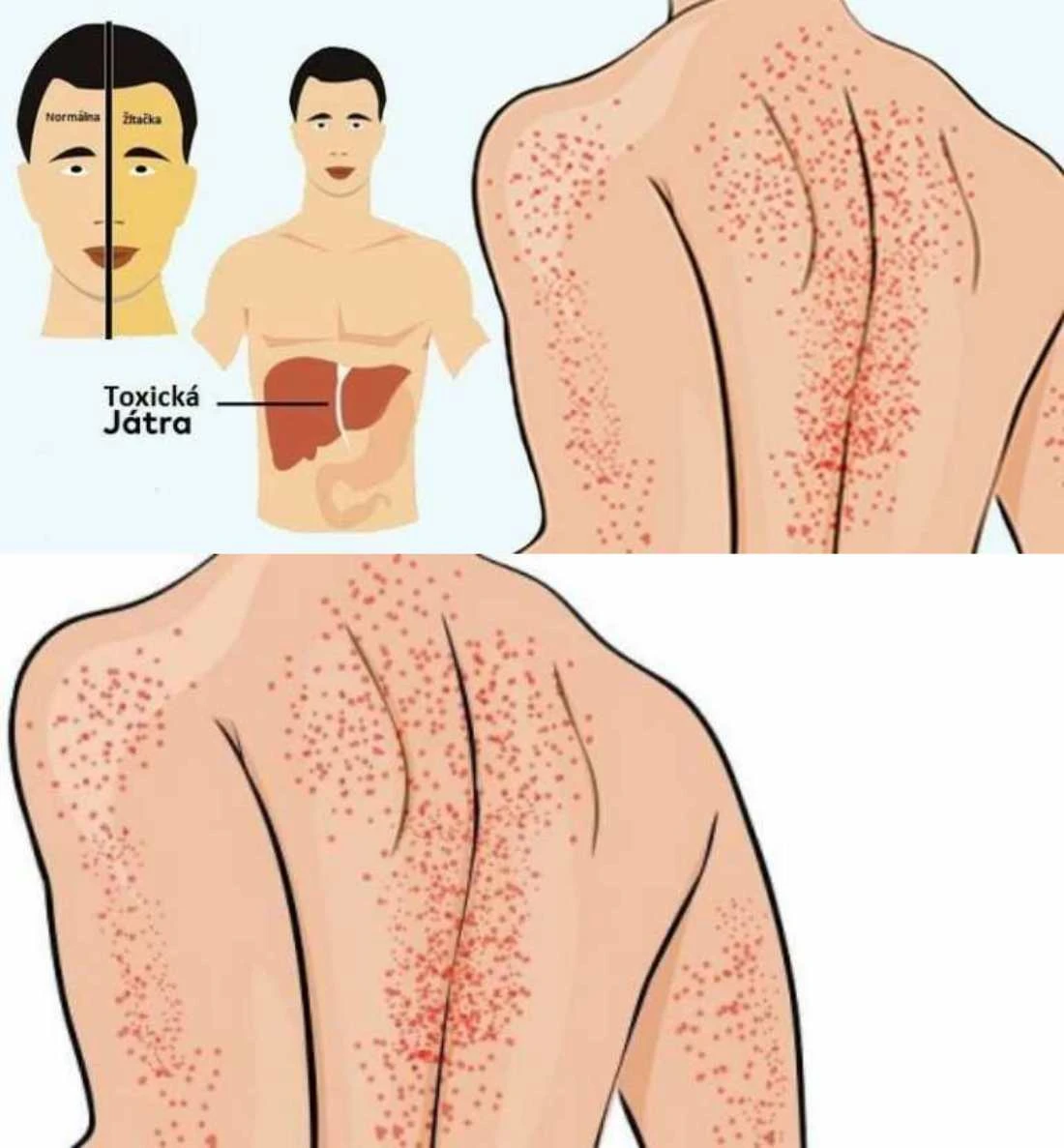
Jaundice is manifested by yellowing of the skin, tongue, fingers and eyes. This condition arises due to increased levels of bilirubin in the blood and body tissues, which is normally excreted in bile.
Bilirubin is produced when old red blood cells are broken down in the liver. The result is a yellowing of the skin.
Yellowing of the skin also occurs if you have a problem with the pancreas or gallbladder, so you should seek medical help as soon as possible if this symptom appears.
8. Changes in the abdominal cavity
If you experience pain or cramps in the lower abdomen or feel particularly bloated, it may indicate that you have fluid in the abdomen and are suffering from impaired liver function.
Fluid in the abdomen is one of the first early signs of liver damage and is essentially the accumulation of fluid in the abdominal cavity.
This condition occurs whenever liver damage happens or in liver cirrhosis.
You will often get portal hypertension, which manifests as high blood pressure in the arteries and veins of the abdomen as a result of liver disease.
Fluid in the abdominal cavity can also form due to other health problems unrelated to a diseased liver. Therefore you should again see your doctor if this symptom appears.
9. Fluid retention in the body
One of the first signs of liver disease is fluid retention, especially in the ankles and legs.
It is similar to the formation of fluid in the abdomen, except that the fluid accumulates in the external tissues of the lower limbs.
There are many other causes of fluid retention, such as kidney problems, hormonal imbalance, heart failure and lymphatic disease.
You should always see your doctor to determine the cause of your condition.
10. Increased skin itchiness
As a result of liver damage the skin becomes more sensitive, often itches and peels. It is hypersensitive to touch.
We recommend: Natural treatment for impaired vision
You may also notice increased bruising and more visible veins on the body.
You can keep your skin hydrated with a moisturizer, but the itching and sensitivity will not improve until the liver problem is properly diagnosed.
11. Abdominal pain where the liver is located
With a poorly functioning liver people often feel pain in the right upper quadrant under the ribs where the liver is located.
When this organ fails, pain or increased tenderness occurs in the affected area.
12. Intestinal bleeding, diarrhea or constipation
The liver produces clotting factors and without them intestinal bleeding can occur, which is associated with diarrhea or constipation.
conclusion
This is not a complete list of early signs of liver damage.
For example, a malfunctioning diseased liver also causes problems in hormonal balance. Men may even develop breast enlargement. Both sexes sometimes also suffer a loss of libido.
Therefore, if you notice any problems that persist and you do not feel well, it is always best to talk to your doctor.