
Article content
Regular lack of quality sleep can at first cause feelings of exhaustion and fatigue. Later, however, it leads to weight gain and even to the occurrence of various health problems.
In this article we will reveal 10 surprising reasons that may be responsible for your inability to have quality, good sleep at night.
So let’s get to it. Here are common causes of sleep problems:
1. Poor room temperature
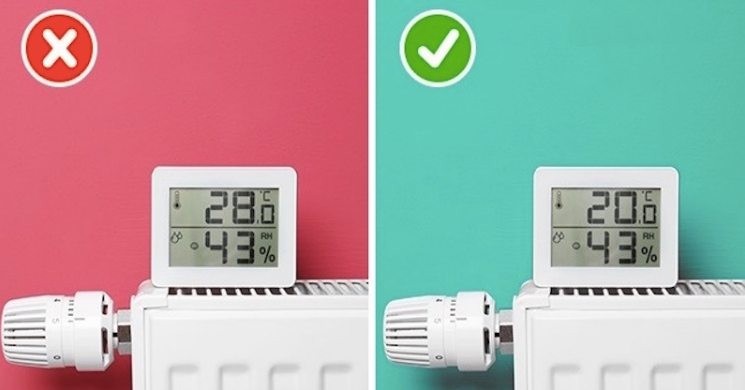
Although falling asleep in a warm little room is pleasant, it is not very suitable for sleep. The ideal room temperature should be between 15 and 23 degrees Celsius.
Therefore try to turn down the radiator at night in the bedroom or, at warmer room temperatures, choose thinner covers instead of heavy blankets.
2. Physical exercise
Exercise stimulates the nervous system, so falling asleep after more intense evening exercise is often quite difficult.
For this reason, do not exercise later than 3 hours before going to bed. Moreover, it is much better to exercise in the morning than in the evening.
3. Poor sleep–wake schedule
To fully rest, your body needs enough time. It doesn’t work that you “oversleep” in advance and then can stay up late for a while.
It also isn’t true that you can make up for lack of sleep during the week over the weekend. It’s best to go to bed every day between 22:00 and 1:00, depending on when you get up in the morning.
4. Light in the room
Even the smallest light in the room, for example from a street lamp or LED diodes in an alarm clock, disrupts your sleep cycle.
Therefore get rid of all light sources from electrical devices and also use appropriate shading for light from external sources.
5. Noises
Any noises, whether cars outside or loud neighbors, prevent the body from resting well.
If you cannot block out external disturbing sounds, consider using earplugs.
6. Using the bed for the wrong purpose
Many people use their bed not only for sleeping but for a number of other activities such as work, watching television, and similar.
Don’t be surprised that this has consequences for your sleep. You should sleep in bed exclusively. Therefore leave your work or entertainment outside the bedroom.
7. Caffeine

It is no secret that caffeine suppresses sleep. But did you know that the half-life of caffeine elimination from the body is up to 6 hours and that it can take up to 24 hours for it to be completely eliminated?
Therefore never consume coffee and other caffeinated beverages in the evening. Ideally, have your last caffeinated drink around lunchtime.
8. Trying to force sleep
Many people go to bed without intentionally trying to fall asleep. They hope the desire for sleep will come on its own, but in many cases it does not.
So what to do?
If you cannot fall asleep within 20 minutes, then rather get up and go, for example, read a book. But not a computer or tablet, because the light from the screen blocks the secretion of the sleep hormone melatonin.
If you don’t want to read, try relaxing in other ways, such as breathing exercises, meditation, or using various sleep-inducing techniques.
9. Alcohol
Although alcohol allows you to fall asleep earlier, it negatively affects rapid eye movements during sleep and also reduces its quality. You then wake up tired and with nausea.
Never consume alcohol later than 2 hours before sleeping. However, the best is not to drink it at all or only in minimal amounts.
10. An overactive mind
People often don’t let their brain take a break from everyday problems, not even in the evening before sleeping. The flow of thoughts that runs through it then does not allow it to switch off.
The result is difficulties falling asleep, waking up during the night, or shallow or poor-quality sleep.
The solution is not to occupy yourself with various worries in the evening and to redirect your thoughts to something completely different. Besides counting sheep, try for example recalling the names of all countries that begin with a certain letter.


