
Article content
Warm summer weather attracts not only people, but also various kinds of insects. It often happens that a person is bitten without even knowing when. Only later do they find red spots on their body that itch unpleasantly. Knowing what bit you is very important not only for adults, but also for children. The difference is whether you were bitten by a mosquito or a tick. From this moment on, however, it will not be a problem to distinguish them!
How to recognize the type of bite?
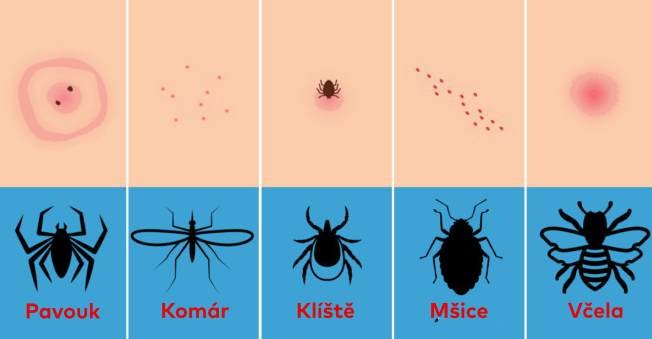
See what bites from different types of insects look like. Thanks to this picture you will easily identify them and know how to act correctly .
lice
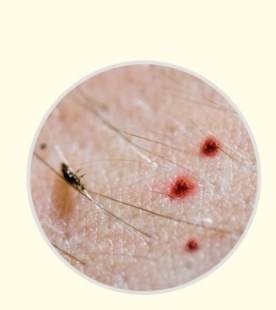
If you notice small red dots that look like mosquito bites where hair grows – on the head, neck and behind the ears – it means you have been bitten by lice. The spots are a few centimeters apart and the affected skin appears localized. The center is dark red.
Bedbugs
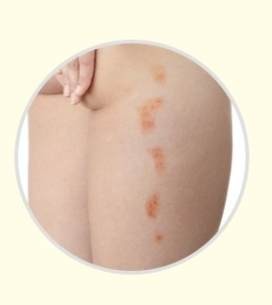
At first glance the bites in the form of spots look like flea or mosquito bites or like an allergic reaction. The skin is red, swollen and itchy. However, there is a way to clearly recognize the work of the bugs. The bites are very close together and on the skin look like small trails. In addition, the stings are more painful than mosquito bites. Most often the red marks appear on the skin every morning. If you are dealing with bedbugs, contact professional help.
Mosquitoes
Small red spots with a wound in the middle are familiar to you. Mosquito bites are probably the most common, so you will likely recognize them quite easily. When a mosquito bites you, you usually have bites in various places, but not clustered too closely together, and they tend to swell. Aloe vera gel and basil work well to relieve the itching. Simply rub its leaves between your fingers and place them on the affected area.
Be careful in case of an allergic reaction. In some foreign countries mosquitoes can transmit serious diseases that present with fever or body aches. In that case you must visit a doctor.
Fleas
Flea bites are relatively small and the bites are usually more numerous, grouped close together. They look like small red „mounds“ on the skin that can itch a lot and may have a little blood dot in the center. As a preventive measure you should check the bedding to ensure none are hiding there, and especially if you have pets at home, do not leave the bed unattended. Fleas can, however, reach you in ways other than your pet, and then you must clean thoroughly. Special treatments help get rid of them, but most importantly, you should not scratch them.
Wasps and bees
If a wasp or bee stings you, you will definitely notice it quickly. Their stings are quite painful, and then a red spot with a white dot will appear in the center of your skin where the sting may have remained. The spot swells and burns. If you do have a stinger in your skin, carefully pull it out with your fingers or tweezers. To relieve the pain, try placing a halved onion on the affected area.
The pain will gradually decrease, but it can cause problems, especially if you are allergic to bee or wasp stings. In summer our drinks and food particularly attract bees and wasps. Therefore be very careful not to drink from bottles you cannot see into, and never leave drinks open or uncovered. It would be very dangerous if a bee stung you in the mouth or throat. In such a case you must visit a doctor without hesitation.
Spiders
Spider bites are similar to bites from other types of insects. Depending on the bite they can be smaller or larger and also quite unpleasantly itchy. If you were bitten by a dangerous exotic spider, the sting would look a little different. A bite from the spider known as the black widow appears as two bites next to each other. According to the NTIC it is two small dot-shaped wounds about 1 to 2 millimeters apart. The area around the bite is hot and slightly reddened. In cases of envenomation there can even be muscle pain or muscle spasms. First aid is a cold or hot compress and rinsing the wound with soap and water.
Ticks
After a tick bite you may find a red spot on the skin, and if the tick itself has detached in the meantime, you must remove it so that its head does not remain lodged in the skin. If this spot enlarges or if you experience, for example, weakness or pain, do not forget to arrange a visit to the doctor, because ticks are carriers of many infectious diseases.
Ants
Ant bites usually swell and you may even have pus there. After a few days it can turn into a blister. The itching should subside within 24 hours.


