Article content
The 40th year of life is a beautiful period. A woman at this age is sophisticated and very smart. The children are mostly grown up and you can enjoy time by yourself, and if not, you can be a great parent with life experience. But with this age come changes in health and the body. You need to prepare for them.
Healthy eating
That’s why today we have gathered tips regarding nutrition that can help you alleviate and even prevent some health changes that may come when you turn 40.
Give your metabolism a shock
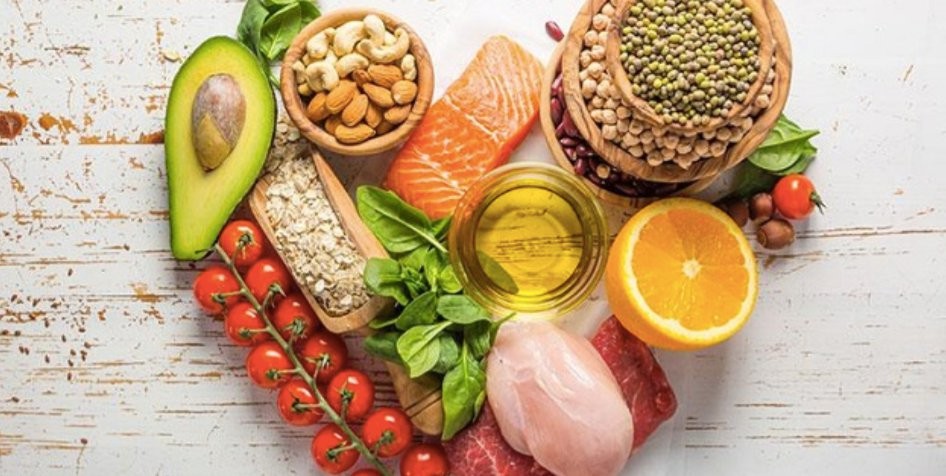
Metabolism is the process involving chemical reactions in your body. There are several reasons why some people have a slower metabolism and unfortunately age is one of the main culprits. But don’t worry, there are certain ways to speed up your metabolism and food is key.

- Make sure you eat often and never skip meals
- To achieve even better results, add more protein to your diet. It will help you maintain muscle mass.
Choose whole grains instead of refined ones
There are 2 main types of grains: whole and refined. Guess which ones are best for you? Whole, of course. “Whole” means that the grain is either in its original form or was milled without removing any part of the seed. Whole grains are a great source of vitamin B, potassium, magnesium and fiber, which aids digestion and reduces the risk of heart problems, obesity and diabetes.

Eat nuts
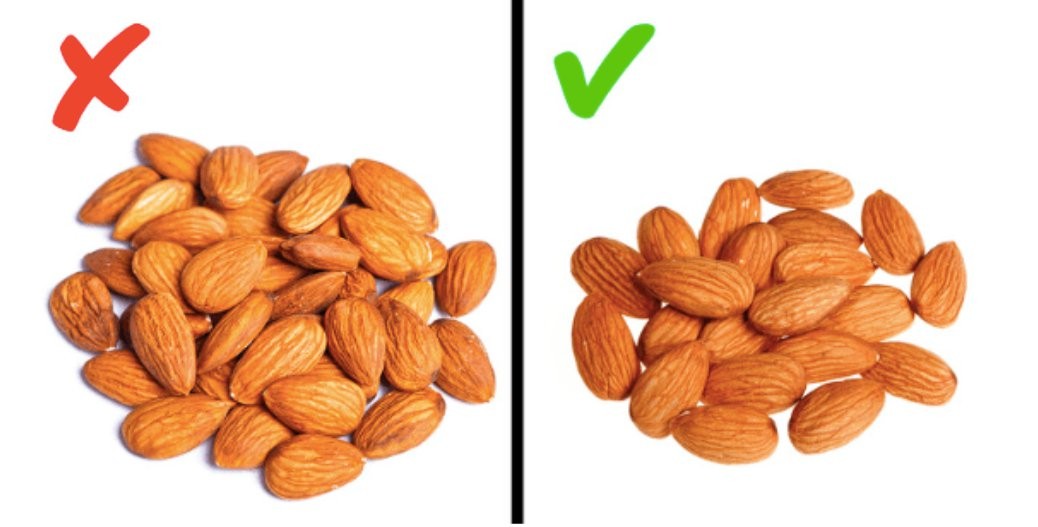
Fun fact: nuts are actually considered fruit. Fruits that are high in fat, low in carbohydrates and packed with nutrients. Nuts are loaded with antioxidants that protect cells, can lower bad cholesterol levels and can help with type II diabetes. They are also considered very good for your heart. But be careful with their consumption; it’s not advisable to overeat them.
Lentils are good for you
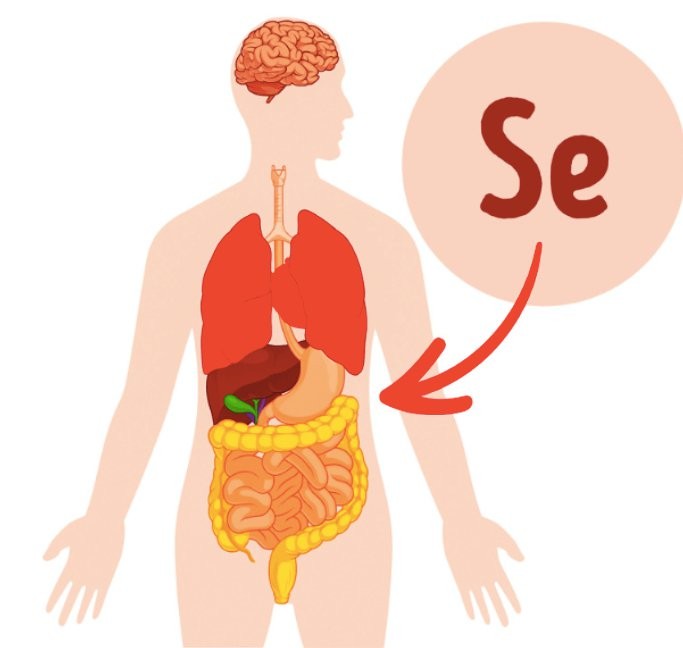
Lentils are an excellent source of fiber and vitamin B9, also known as folate. Consuming lentils helps you lower levels of bad cholesterol and reduces the risk of heart problems, diabetes and obesity. The mineral called selenium, which is not present in most foods, is found in lentils. It helps fight cancer, cognitive decline in older people and may even improve chronic asthma.
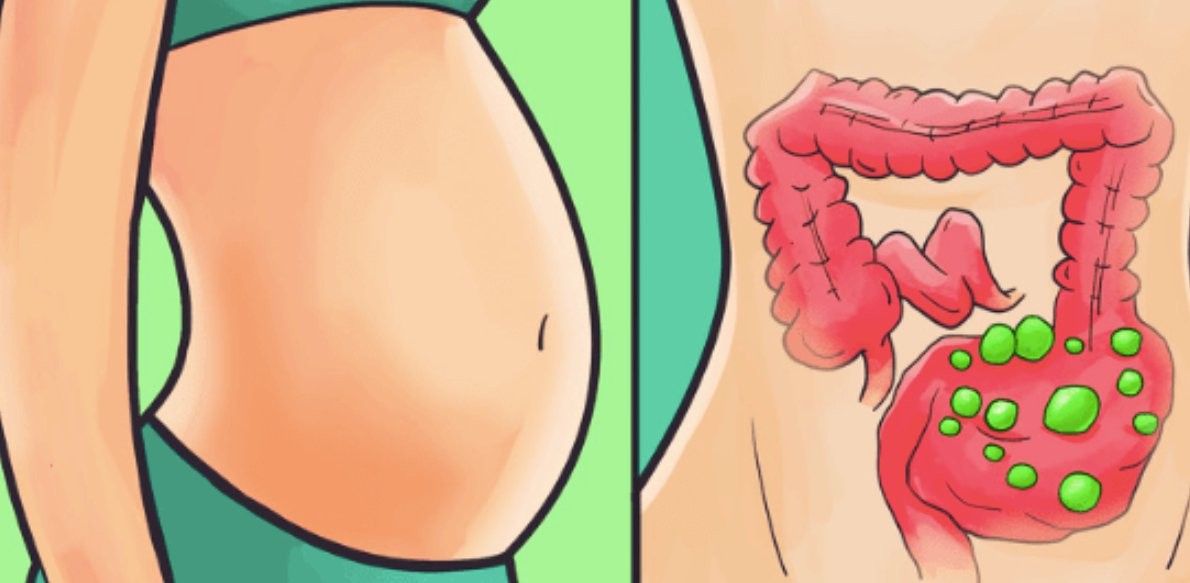
Build the right microflora
We already know that it is important to have a healthy gut microflora. Products like kefir, yogurt and kombucha contain probiotics that help keep the intestines healthy. Taking some of these products daily, or taking a supplement, is especially beneficial for women over 40 who have premenopausal symptoms.
Opt for fatty fish
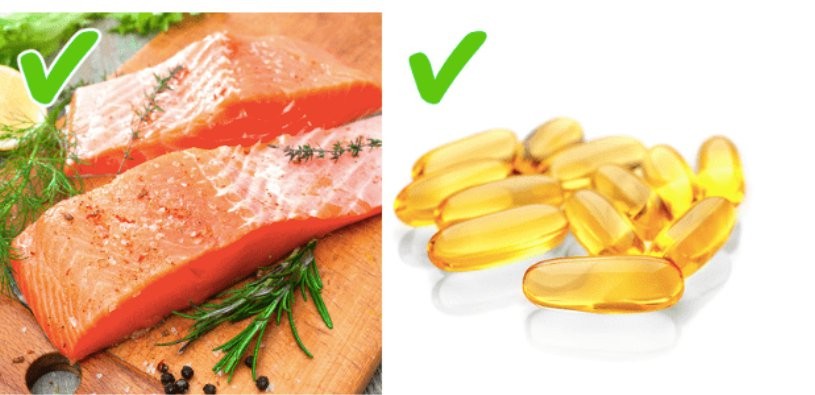
Fish are an excellent source of rich omega-3 fats and vitamin D, which not only help prevent heart disease, certain types of cancer, diabetes and high blood pressure, but also help with depression, ADHD and even schizophrenia. They also help relieve some menopausal symptoms. The recommended intake is once to three times a week. The healthiest choices are salmon, herring, trout, or sardines.
Try green coffee
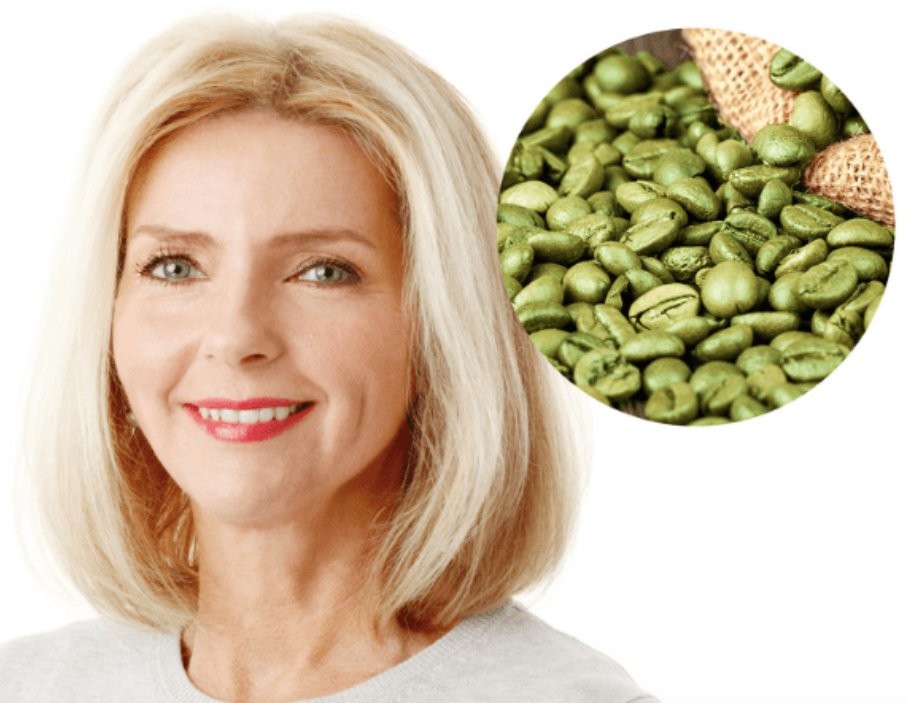
Green coffee beans are coffee beans that have not been roasted, so they retain more nutrients. This type of coffee has a large amount of antioxidants that can help fight aging.
Eat earlier
According to a University of Pennsylvania study, the timing of your meals plays a key role in your health and weight gain. People who eat at later hours tend to gain weight and have higher levels of insulin and cholesterol than those who eat between 8 a.m. and 7 p.m. Late eating can also lead to chronic diseases such as diabetes and heart disease.

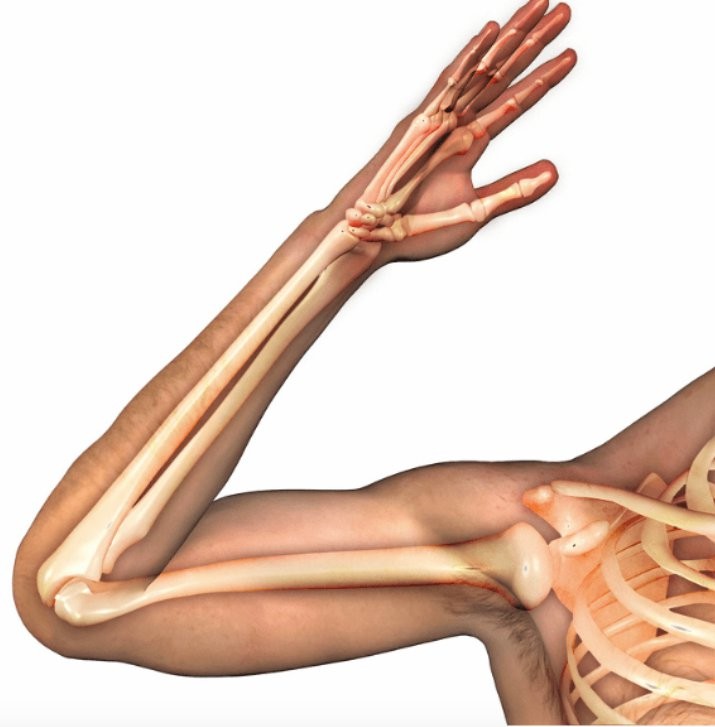
Strengthen your bones
Almost every cell in the human body uses calcium in some way. And as you age, you absorb less and less calcium from food, which causes your bones and body to weaken. To prevent calcium deficiency, your diet should include dairy products, seeds, canned salmon and sardines, beans and almonds. There are more than just dairy products that contain large amounts of calcium, which is great news for those who are lactose intolerant.
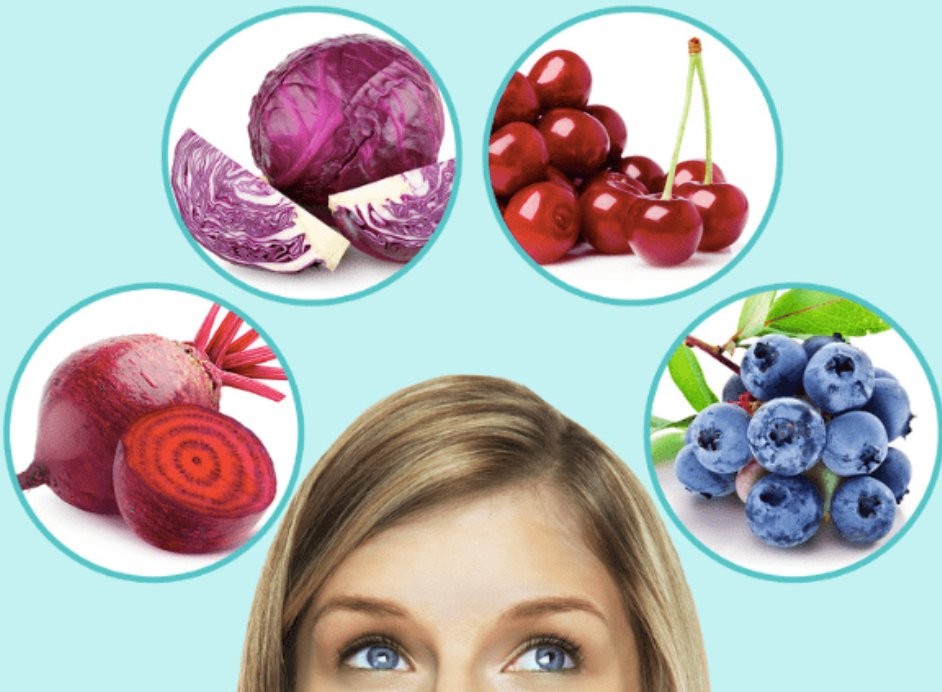
Add color to your diet
Many fruits and vegetables contain antioxidants, but many of them do not contain the antioxidant anthocyanin, which is essentially the pigment that gives fruits and vegetables a bright color. Previous research has shown that foods with a high concentration of anthocyanin, such as blueberries, red beets, purple cabbage or cherries, may improve dementia and cardiovascular health in women.
Who wouldn’t want to look better at 40 than they did at 20?