Article content
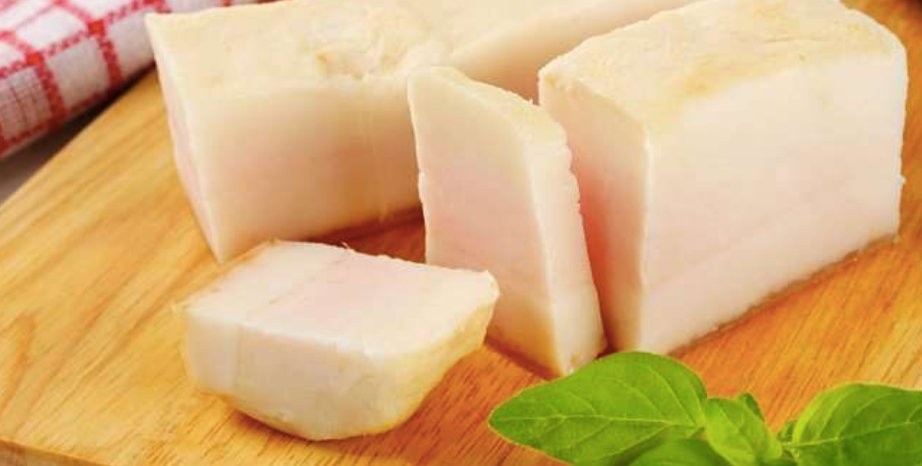
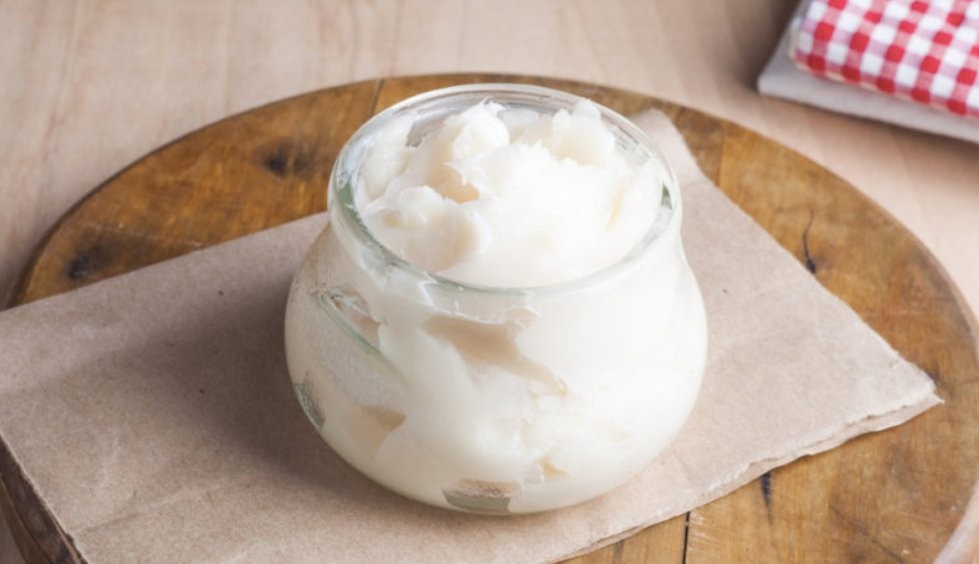
Whenever we hear the term lard these days, it immediately conjures up a vision of clogged arteries. And now is the right time to restore balance. Lard is a healthy cooking fat and deserves to be used in the kitchen again as it once was.
Lard is healthy
In recent generations it seems that lard has completely disappeared from home kitchens. Until the beginning of the 20th century, lard was a staple fat worldwide. It was the secret to perfectly crispy pastries, crunchy fried chicken, and delicate sauces.
Lard is heat-stable
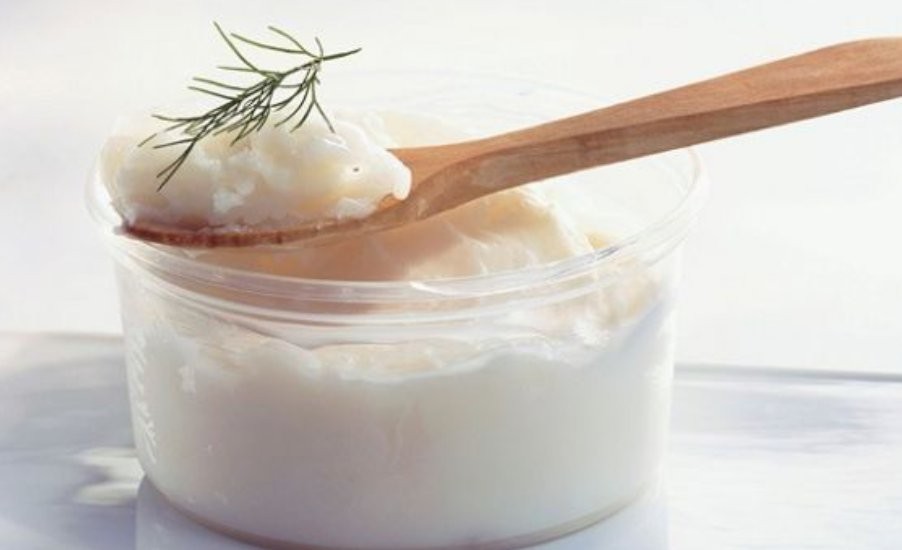
When it comes to determining fat stability, it’s all about chemistry. Saturated fats have single bonds between all the carbon molecules in the fatty acid chain and are therefore the most heat-stable. That’s because single bonds, as far as the carbon chain in fatty acids goes, are relatively strong. Monounsaturated fats have one double bond that replaces a single bond in the carbon chain. Double bonds in fatty acids are unstable and can break down with heat. Polyunsaturated fats are the most unstable because they have many double bonds in the carbon chain. When the double bonds in mono- or polyunsaturated fats break down, the fatty acid undergoes a process called oxidation.
Why are oxidized fats bad? In short, oxidized fats = free radicals. Free radicals = cell damage. While we inevitably have free radicals in our bodies, we should minimize these harmful molecules as much as possible to protect health and reduce inflammation.
According to Mary Enig, author of Know Your Fats, lard is typically 40% saturated fats, 50% monounsaturated fats and 10% polyunsaturated fats. The percentage of saturated fats in lard protects the more vulnerable mono/polyunsaturated fats from oxidizing with heat, making lard an excellent choice for cooking and baking.
Lard is heart-healthy
“Lard is an animal fat and is high in saturated fats and cholesterol. Doesn’t that mean it increases the risk of heart disease?” A pervasive myth that animal fats increase the risk of heart disease is just that — a myth. Our great-great-grandparents ate lard and butter and experienced extremely low rates of heart disease. Lard is part of a healthy diet and does not put you at risk of a heart attack:
An analysis of more than 300,000 people, published in the American Journal of Clinical Nutrition, shows there is no evidence that consumption of saturated fats increases the risk of heart disease.
Low-fat diets have been shown to increase triglycerides, which is a risk factor for heart disease.
The Women’s Health Initiative followed nearly 50,000 postmenopausal women — one group was told to follow a low-fat diet and the other continued to eat “normally.” After 8 years there was no difference in the rate of heart disease or cancer between the groups.
Many other large studies have found no benefit to a low-fat diet.
The director of the large Framingham Heart study concluded: “We found that people who consumed the most cholesterol ate the most saturated fat, consumed the most calories, weighed the least and were the most physically active.”
Intake of saturated fats increases HDL cholesterol, which is associated with a reduced risk of heart disease.
“Diseases of modern civilization” including heart disease and diabetes peaked because animal fats were replaced by industrial fats including vegetable oils and margarine.
The cholesterol content in lard is protective of health, not dangerous.
Lard has a neutral flavor
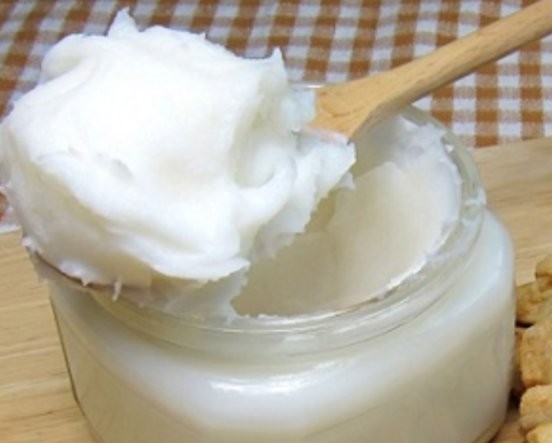
Like me, many of you choose to cook with coconut oil because it is a heat-stable cooking fat. However, coconut oil gives food a mild to moderately strong coconut flavor. And while I like the taste, sometimes I want a neutral option. That’s when I choose lard.
For deep frying nothing tolerates the heat like lard. Thanks to its neutral taste it also works exceptionally well in baked goods.
Lard is economical
Lard is one of the cheapest fats on the market.
When it comes to healthy cooking fats, lard is definitely the most affordable. For example, my other favorite cooking fats — coconut oil and butter — cost exponentially more.
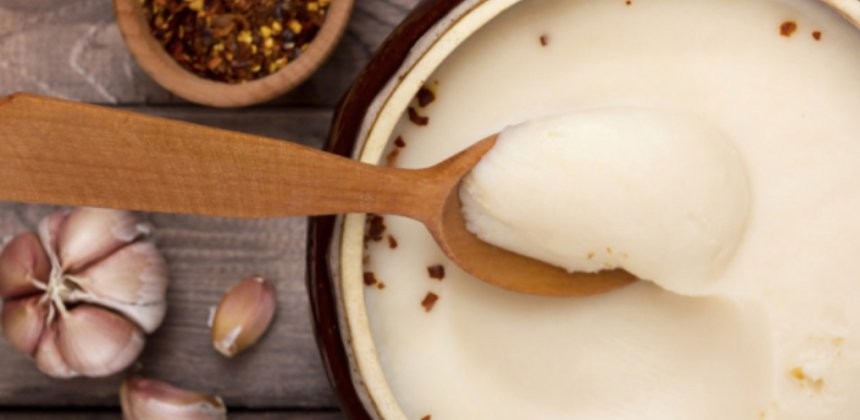
Lard is high in vitamin D
Lard is the second-highest food source of vitamin D, after cod liver oil. One tablespoon of lard contains 1000 IU of vitamin D. It is also important that vitamin D is a fat-soluble vitamin, so it requires fatty acids — including saturated fatty acids — to be absorbed and used in the body. Lard provides the perfect form of vitamin D along with the necessary fatty-acid cofactors. Other food sources of vitamin D, including egg yolks and liver, are low compared to the amount of vitamin D in lard.
There is, however, a caveat: only lard from pigs contains vitamin D, because pigs must have access to sunlight to synthesize vitamin D and store it in their fat tissues. Therefore choose lard from a farmer whose animal-raising practices you know.
Meat is sustainable
Pigs are easily adaptable animals that thrive almost anywhere. Raising pigs is a practice that produces a sustainable source of meat while improving environmental health, because they help turn topsoil and naturally fertilize the soil.
Do you know what isn’t sustainable? A few acres of genetically modified corn saturated with pesticide and synthetic fertilizer used to produce corn oil.
You help local farmers
Choosing local lard from a known farmer or producer doesn’t have to be that complicated.
Coconut oil, on the other hand, comes from the Philippines, which may be much farther away from your home.
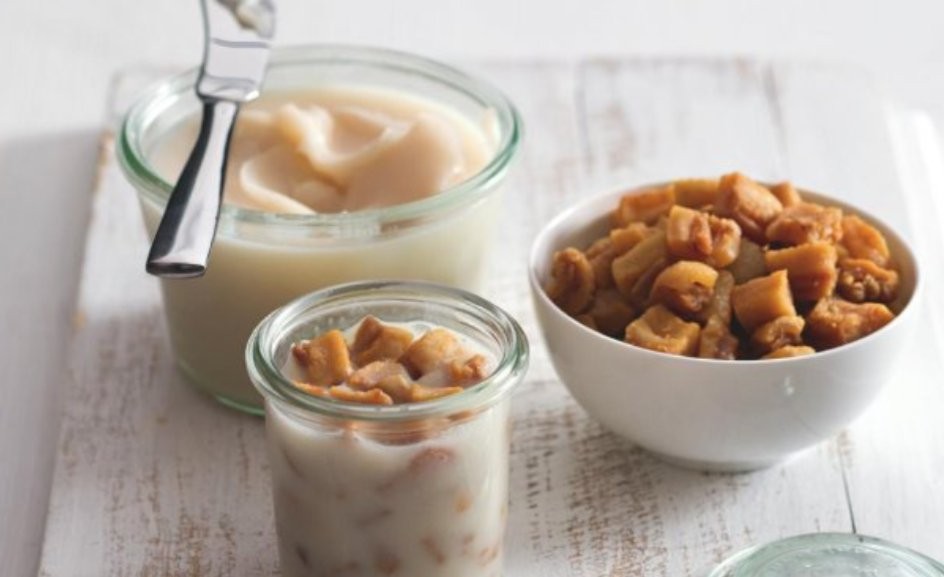
Lard is great for baking
You might not think lard pairs well with sweet foods, but traditionally lard was used to deep-fry donuts and to make flaky crusts. If you haven’t tried a cooking crust made with lard, you’ll be beautifully surprised! In pastries lard tends to add moisture and tenderness without a noticeable flavor.
You can use it in your favorite cookies. Lard can replace butter in baking recipes.
Lard is a healthy source of cholesterol
Lard ranks 18th among cholesterol-rich foods. As a healing resource in the body, cholesterol levels rise during periods of stress or in the presence of inflammation. Studies show that intake of cholesterol has no causal relationship with blood cholesterol levels. That’s because the body produces the cholesterol it needs. Providing cholesterol via quality fats, however, reduces the body’s burden of making cholesterol. Dietary cholesterol from whole foods like lard supports healing from inflammation and hormone production.
In fact many studies associate low blood cholesterol levels with:
“Avoid food from TV commercials.”
“Avoid any food that your great-great-grandmother would not recognize.”
However, ancestors enjoyed lard thousands of years ago. My great-grandmother, a tough woman who lived to the ripe old age of 107, grew up on lard, pork, homemade sauerkraut and gallons of fresh milk from the family cow.