Article content
The best thing we always receive in life is advice from grandmothers. Why did everything always turn out right for our grandmothers and mothers in the kitchen, while everything falls apart for us? We cook meat exactly according to the recipe, but it stays dry or we can’t get it cooked through the way we’d like. Jam pies are not as fluffy. Salads are again not fresh enough, even when we add vinegar to them. And nobody really likes that vinegar anyway.
A cookbook by E.F. Warren came into our hands. She is an American citizen who was evidently a content American housewife and therefore had plenty of time to think about things and examine them in depth. In her publication Mrs. Warren described all the everyday secrets of how to be a master in the kitchen and thereby confirmed the old familiar rule that less is sometimes more. So let’s not try too hard, ladies. A good cook knows the little things. And together we can now find them too.
Tenderizing with acid
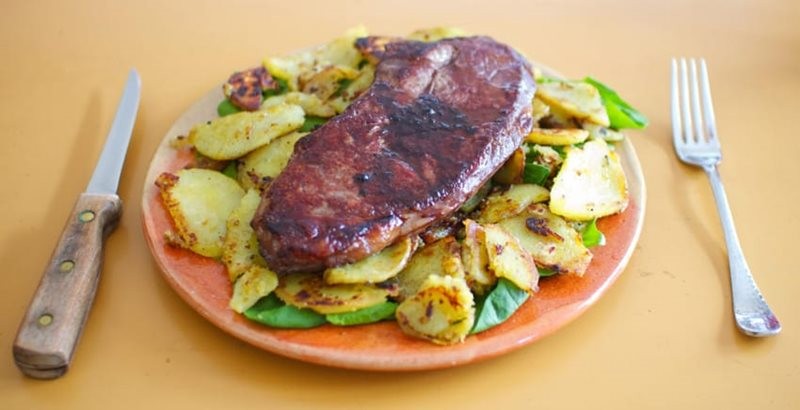
Instead of pounding schnitzels and steak meat with a mallet, use vinegar and oil. Pour three tablespoons of vinegar and one tablespoon of oil — preferably olive — into a deep plate and immerse the meat in it on both sides. Let it soak for a while, and if you don’t feel like fussing, prepare the mixture in a bowl and let the meat sit in it for half an hour. It will be beautifully juicy and fragrant and there’s no need to bash it at all. According to Mrs. Warren this method was used at the time in all first-class hotels and chefs by this method knew how to turn heavy and dense meat into a tender and juicy steak.
Latticing comes first
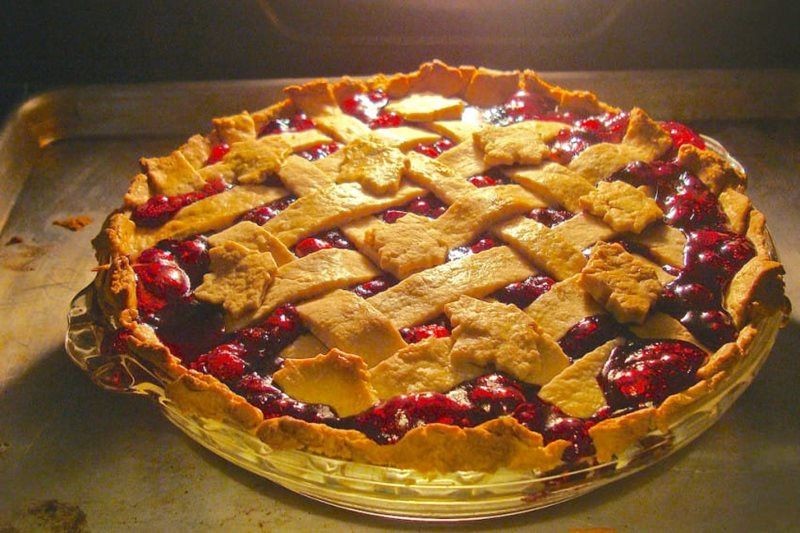
If you want your pies to retain their juiciness, simply make a lattice on them. Latticed pies, as our grandmothers used to make, were so fantastic because they were juicy. This is especially true for fruit and jam pies, but the basic idea is that a latticed crust on top of the pie doesn’t allow steam to escape as much as when the pie is “uncovered.” That ensures it will be tasty and not dried out at all.
Herbs against ants
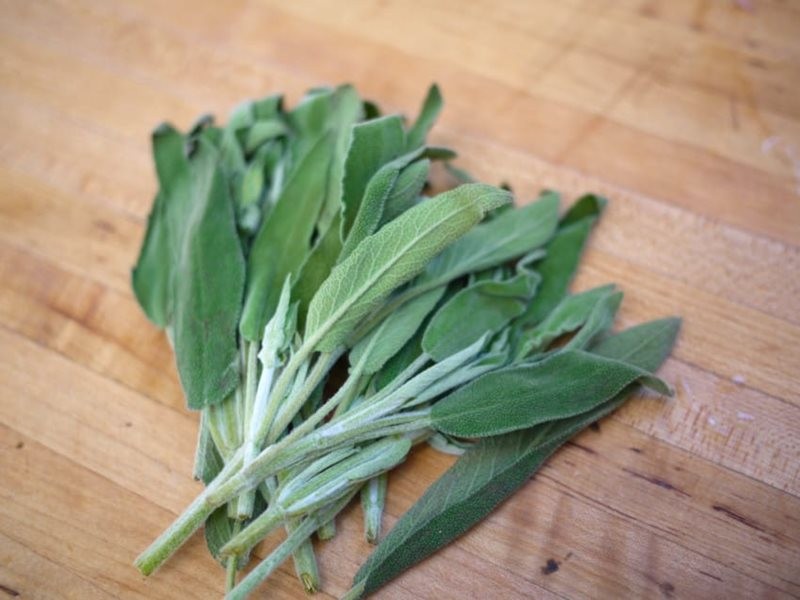
If you also struggle with ants and flies and don’t know how to get rid of them, the solution is in the kitchen. Use sage. Make small bunches from sage leaves and place them on shelves, or in larger quantities into the pantry or food cupboards. Ants, fruit flies and other pests will be gone in no time. And you don’t have to spend money on expensive and health-harming chemicals.
Good old cream of tartar
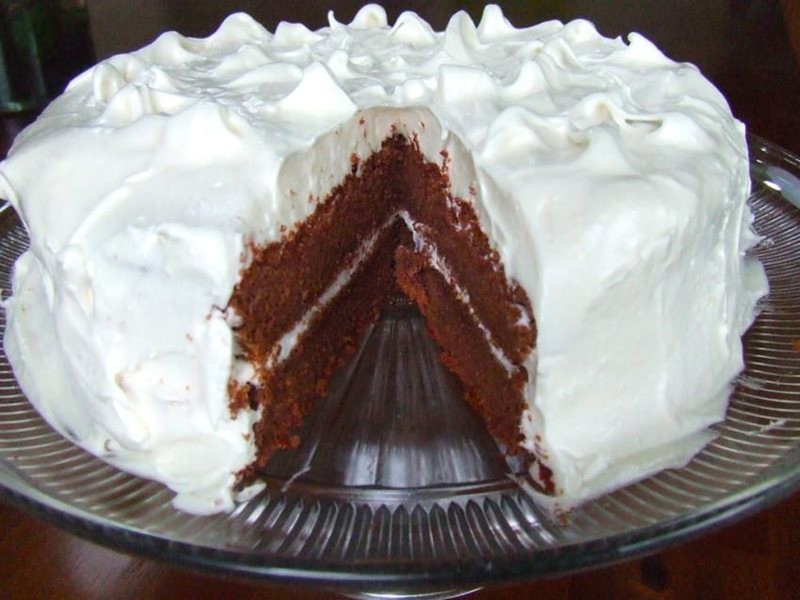
Instead of stabilizers for whipped cream, which can spoil especially cakes, you should get cream of tartar. This white crystalline organic substance, tasteless and odorless, works as a one hundred percent stabilizer and your creams and whipped creams will be as beautiful as the decorations of our grandmothers used to be.
Fresh even when partially used
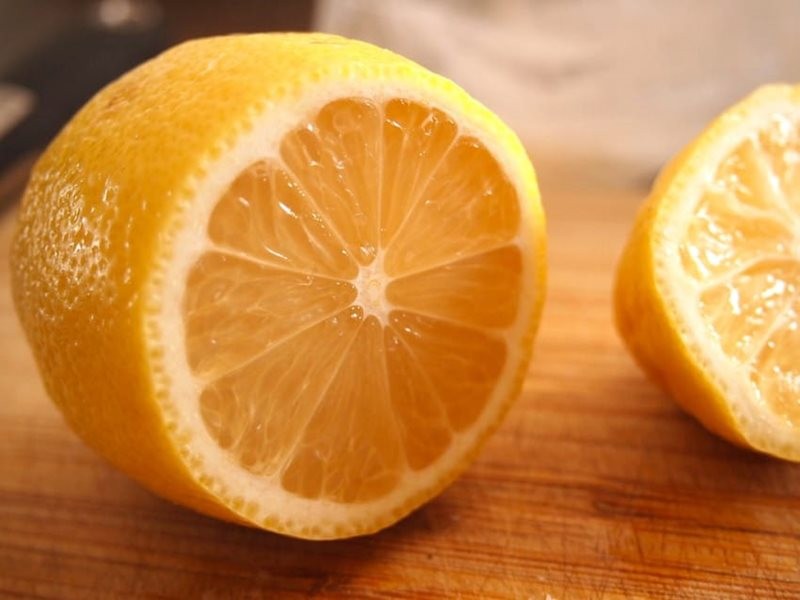
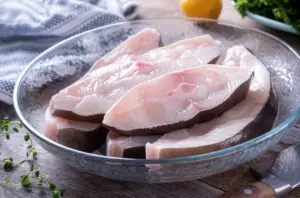
If you use a lemon for sauces or to drizzle over fish and don’t use even half of it, simply soak it in a bowl of cold water and put it in the refrigerator. The lemon will stay fresh for up to a week and when you want to juice it next, you don’t have to worry that instead of juice you’ll be getting dried-out pulp with your food.
Soft thanks to an apple
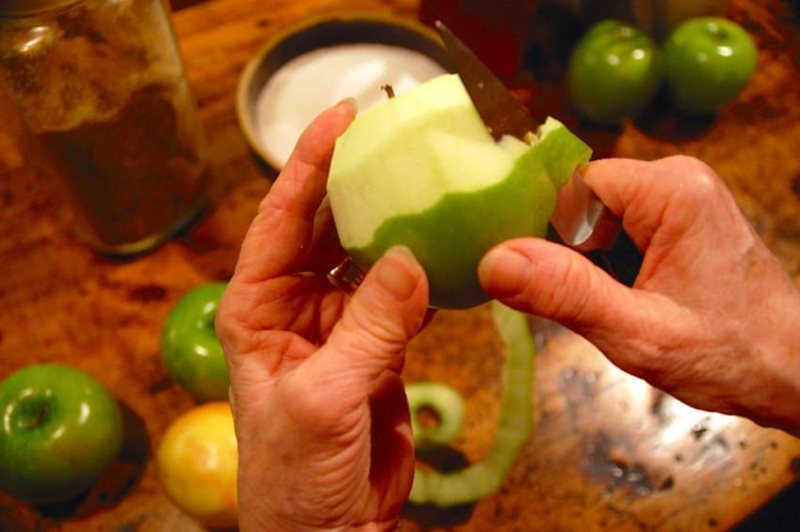
An old good trick that we use for gingerbread, but many recipes seem not to respond to it. Those are gingerbreads, now we’re talking about baked goods. You surely know the situation when you buy baked goods but they are not eaten. By the next day they’re already firmer and by the next day literally harder. Mrs. Warren claims that the miracle of soft baked goods even after three days lies in apples. If you put a peeled apple into the breadbox, or into the bag with pastries (so that it doesn’t directly moisten them with its juice), rolls, buns, or loaves will stay soft even the next day. Even on the third day. Only by the fourth will they start to harden.
Bitter vegetables
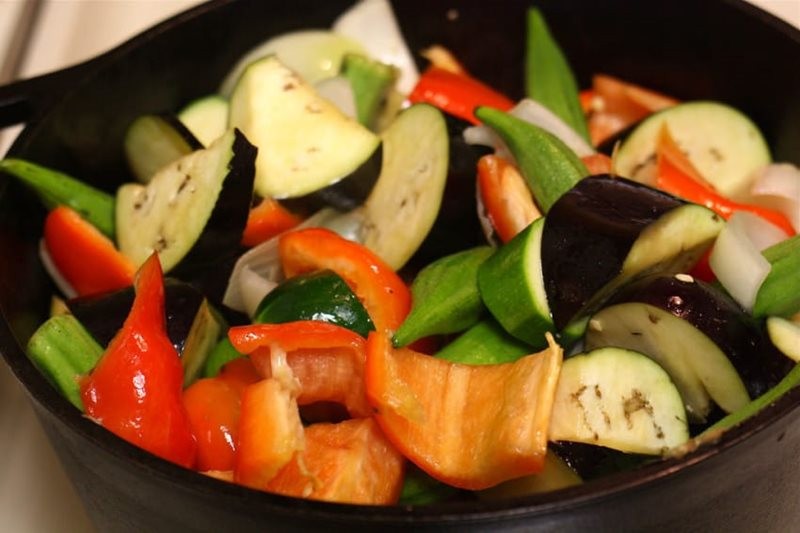
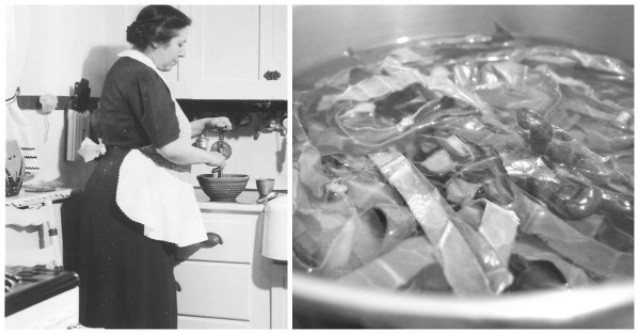
If you have bitter vegetables — peppers, sprouts, or cabbage — blanch them in hot water. Just quickly and through a sieve so the water drains off immediately. The vegetables will lose their bitterness and will be edible, even if it didn’t look that way at first.
Cracked eggs in water
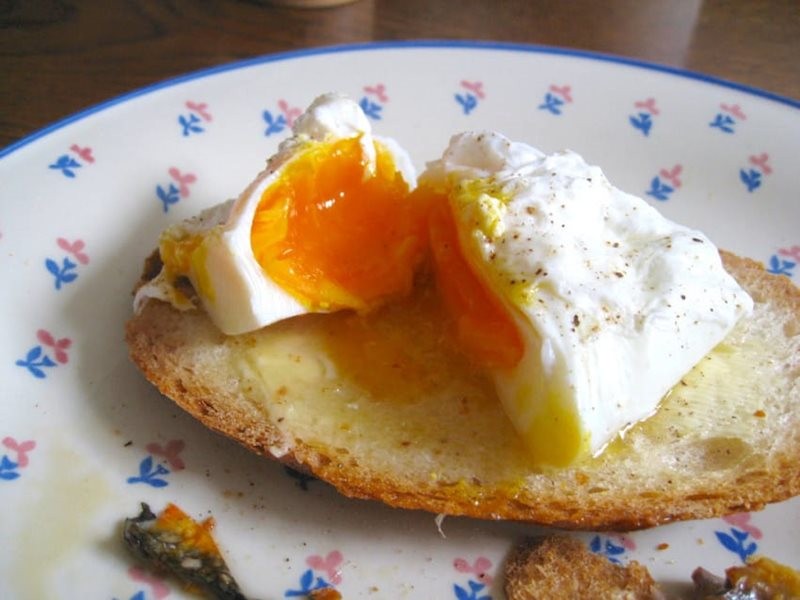
When we go to boil eggs, it often happens that they crack and some of the white peeks out from under the shell while still in the water. Such eggs are not very suitable to serve on a cold platter, but Mrs. Warren even has a remedy for this little flaw. Our grandmothers used to soak eggs in cold water before boiling them. At least until the water in the pot began to boil and then they put the eggs in. They claimed the eggs would surely not crack.
Reduce the cabbage smell
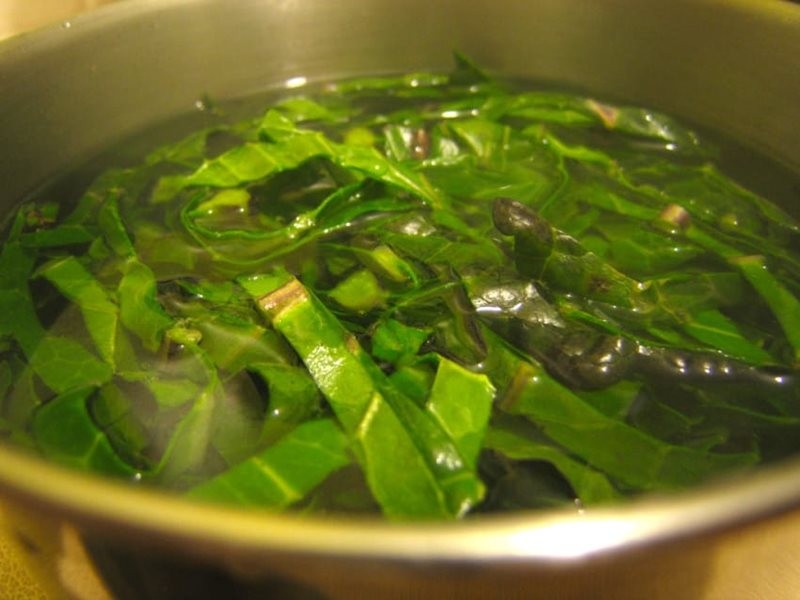
Stewed caramelized cabbage tastes fantastic and we all love it especially with roast pork. Whether you make cabbage with meat or in a soup and its specific smell irritates your whole family including you, because in the evening you lie down in “cabbage” sheets, add a piece of hard bread or a few biscuits wrapped in a cloth to the pot. According to Mrs. Warren that’s how it was done at home all their lives. The smell should be significantly reduced, if not completely gone.
Sweet milk, beautiful pies
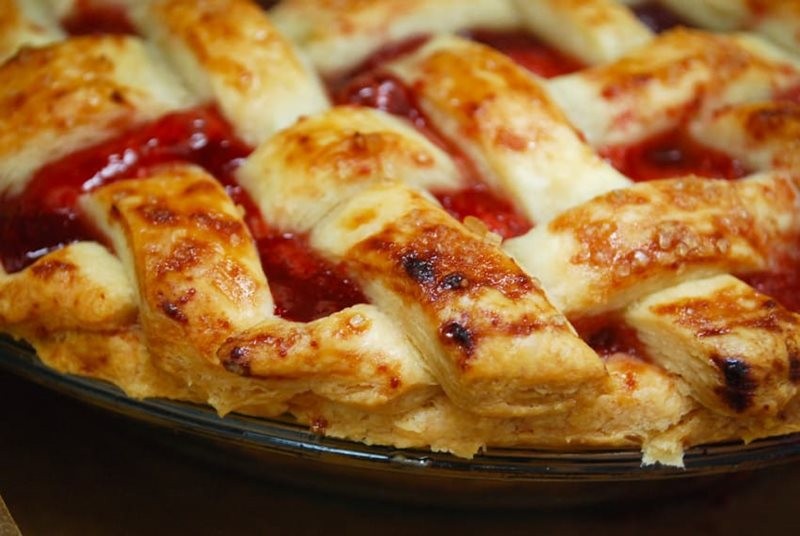
Mrs. Warren revealed in her cookbook the secret why her pastries always have a perfect golden crust. The recipe is so simple it’ll make your head spin. Before baking, simply brush the dough with sweet milk. Do the same again during baking when the crust begins to set, and after the second brushing it will be perfectly crisp and golden.
Do you also know interesting tips from grandmothers? Let us know about them in the comments.